
Iah is a significant figure in Egyptian mythology, representing the moon and its various phases. His presence in the pantheon highlights the importance of celestial bodies in ancient Egyptian culture. Iah is often depicted as a young man with a crescent moon on his head, symbolizing the lunar cycle. The ancient Egyptians revered the moon for its influence on agriculture, timekeeping, and navigation. As a lunar deity, Iah was associated with the night and was believed to control the tides and the rhythms of life. Understanding Iah’s role in Egyptian mythology provides insights into how the ancient Egyptians viewed the cosmos and their place within it.
The Role of Iah in Egyptian Mythology
Iah’s role in Egyptian mythology extends beyond just being a moon god. He is often linked to the concept of time, particularly the measurement of days and nights. The ancient Egyptians had a deep understanding of the lunar cycle, and they utilized it to develop their calendar system. Iah’s influence was crucial for determining the best times for planting and harvesting crops. This connection to agriculture emphasizes the significance of celestial deities in everyday life. Furthermore, Iah is sometimes considered a guide for the souls of the deceased, helping them navigate the afterlife.
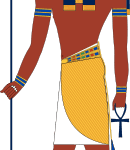 Wepwawet
The ancient Egyptians believed that the moon had a profound impact on the natural world. Iah was thought to govern the phases of the moon, which influenced various aspects of life, including fertility and the flooding of the Nile River. This flooding was vital for agriculture, as it provided the necessary water and nutrients for crops to grow. Consequently, Iah was not only a celestial figure but also an essential part of the agricultural cycle, underscoring the interconnectedness of nature and spirituality in Egyptian thought.
Symbols and Representations of Iah
Iah is often depicted with specific symbols that convey his lunar associations. One of the most prominent symbols is the crescent moon, which he wears on his head. This representation highlights his dominion over the lunar phases and signifies his role as a nighttime deity. In some depictions, Iah is shown with a full moon, representing the peak of lunar influence. These symbols were not merely decorative; they served to communicate his power and significance within the pantheon of gods.
 Wosret
- Crescent Moon: Symbolizes Iah’s control over the lunar phases.
- Full Moon: Represents the peak of lunar influence.
- Starry Background: Often seen in artworks, indicating his connection to the night sky.
In addition to his lunar symbols, Iah is sometimes associated with other deities. For example, he shares characteristics with Thoth, the god of wisdom and writing, who is also linked to the moon. This relationship highlights the interconnectedness of the gods in Egyptian mythology. The blending of attributes among deities illustrates how the ancient Egyptians understood the cosmos and the various forces that governed their lives.
Iah in Ancient Egyptian Culture
The worship of Iah was an integral part of ancient Egyptian culture. His influence was felt not only in religious practices but also in daily life. Temples dedicated to Iah were often constructed to honor him and to seek his blessings. These temples served as centers of worship and were places where priests conducted rituals to appease the god. Festivals celebrating the lunar cycles were held, during which the community would come together to honor Iah, reinforcing social bonds and cultural identity.
In addition to temple worship, Iah’s presence was felt in the arts and literature of ancient Egypt. Many texts reference Iah and his lunar attributes, often highlighting his role in the cycles of life and death. The Book of the Dead, a crucial text for the deceased, includes invocations to Iah, seeking his guidance and protection in the afterlife. This underscores the belief in the importance of celestial guidance in navigating the journey beyond death.
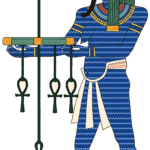 Wadj-wer
Festivals and Rituals
The ancient Egyptians celebrated several festivals dedicated to Iah, often coinciding with significant lunar events. One of the most important was the Full Moon Festival, during which offerings were made to Iah to ensure his favor and to seek blessings for the coming month. These festivals were marked by music, dance, and communal feasting, fostering a sense of unity among the people. Rituals performed during these celebrations included the lighting of candles and the offering of incense, symbolizing the illumination provided by the moon.
- Full Moon Festival: Celebrated with offerings and communal activities.
- New Moon Rituals: Marked the beginning of the lunar cycle and involved prayers for renewal.
- Lunar Observances: Included specific rituals aligned with the moon’s phases.
These festivals served not only as a means of honoring Iah but also as a way to reinforce the agricultural calendar. The timing of planting and harvesting was often aligned with lunar phases, making Iah’s influence critical for the success of crops. By integrating their worship of Iah with agricultural practices, the ancient Egyptians demonstrated their understanding of the interconnectedness of spirituality and the natural world.
Iah and the Afterlife
Iah’s significance extends into the realm of the afterlife, where he plays a crucial role as a guide for souls. The ancient Egyptians believed that the moon represented the cycle of life, death, and rebirth. Iah’s connection to this cycle made him an essential figure for those navigating the afterlife. He was thought to illuminate the path for souls as they journeyed through the Duat, the Egyptian underworld. This journey was fraught with challenges, and Iah’s guidance was seen as vital for achieving a successful transition.
The belief in Iah’s protective role in the afterlife is reflected in funerary practices. Many tombs included images of Iah or inscriptions invoking his name, seeking his assistance for the deceased. The Book of the Dead contains spells and prayers directed to Iah, highlighting the importance of his role in ensuring safe passage and protection for the departed. This connection between Iah and the afterlife illustrates the ancient Egyptians’ belief in the continuity of existence beyond death.
Myths and Legends Involving Iah
Iah is featured in various myths and legends that illustrate his significance in the Egyptian pantheon. One such myth involves his relationship with the sun god Ra. According to some traditions, Iah was seen as a companion to Ra during the night, providing light and guidance in the darkness. This partnership emphasizes the duality of day and night, with Iah complementing Ra’s solar dominance. Together, they represent the balance of celestial forces that govern the universe.
- Iah and Ra: A partnership symbolizing the balance between day and night.
- The Lunar Cycle: Iah’s phases are seen as reflections of life and renewal.
- Myth of Creation: Iah’s role in the cosmic order is highlighted in various creation myths.
Another important aspect of Iah’s mythology is his association with fertility and rebirth. The lunar phases were believed to influence the fertility of both the land and the people. Iah’s role as a lunar deity made him a vital figure in rituals aimed at ensuring fertility and abundance. These myths and legends served to reinforce the ancient Egyptians’ understanding of the natural world and their reliance on celestial bodies for guidance and sustenance.
The Legacy of Iah in Modern Culture
Although Iah may not be as widely recognized today as some other Egyptian deities, his legacy continues to influence modern culture. The fascination with Egyptian mythology has led to a resurgence of interest in ancient beliefs and practices. Iah’s representation of the moon has inspired various forms of art, literature, and even modern spirituality. Many contemporary interpretations of Iah focus on his role as a symbol of renewal and the cyclical nature of life.
In recent years, there has been a growing interest in astrology and lunar worship, drawing inspiration from ancient beliefs. Iah’s influence as a lunar deity is reflected in the practices of those who seek to connect with the energies of the moon. This modern interpretation highlights the enduring significance of Iah and the ancient Egyptians’ understanding of the cosmos. As people continue to explore their spiritual connections to celestial bodies, Iah remains a powerful symbol of the relationship between humanity and the universe.
In Popular Media
Iah’s presence has also been felt in popular media, where themes from Egyptian mythology have been incorporated into books, films, and television series. Many stories draw upon the rich tapestry of ancient Egyptian beliefs, including the character of Iah as a moon god. These portrayals often emphasize the duality of light and darkness, reflecting the complexities of the human experience. The fascination with Egyptian mythology continues to captivate audiences, allowing figures like Iah to find new life in contemporary storytelling.
- Books: Novels often feature Egyptian mythology, incorporating Iah as a character.
- Films: Movies exploring ancient Egypt frequently reference lunar themes and deities.
- Video Games: Many games include mythological elements, featuring Iah as a character or symbol.
As society continues to evolve, the stories and symbols of ancient Egypt, including Iah, remain relevant. They provide a lens through which we can explore our own beliefs and connections to the natural world. The legacy of Iah serves as a reminder of the rich history and cultural significance of lunar worship, emphasizing the enduring power of mythology in shaping our understanding of existence.