
In the rich tapestry of Egyptian mythology, the stories and characters play a vital role in understanding the ancient Egyptian worldview. Among these fascinating figures is Amathaounta, a lesser-known yet intriguing entity within this mythological framework. Amathaounta is often associated with themes of transformation and regeneration, which are central to many Egyptian myths. This article will explore the various aspects of Amathaounta, including her origins, significance, and the broader context of Egyptian mythology.
Origins of Amathaounta
The origins of Amathaounta are steeped in mystery, much like many other figures in Egyptian mythology. While there are not extensive records about her, some texts suggest that she may have roots in the ancient worship of female deities. The name itself hints at a connection to concepts of renewal and rebirth, which are prevalent in Egyptian beliefs. This aligns with the idea that many gods and goddesses were often manifestations of natural forces or cosmic principles.
One theory posits that Amathaounta could be linked to the goddess Isis, known for her powers of healing and resurrection. Isis is often depicted as a mother figure, embodying the nurturing aspects of femininity. Amathaounta may represent a more localized or specific aspect of these qualities, perhaps worshiped in certain regions of Egypt where transformation and change were particularly significant. This connection highlights the fluid nature of Egyptian deities, where one goddess could embody multiple attributes depending on the context.
Symbolism and Attributes
In Egyptian mythology, symbolism plays a crucial role in understanding the significance of deities. Amathaounta is often associated with the lotus flower, a powerful symbol of rebirth and purity in ancient Egypt. The lotus blooms in muddy waters, rising above the surface to reveal its beauty, mirroring the themes of transformation that Amathaounta embodies. This connection to the lotus also reflects the cyclical nature of life and death, a prevalent theme in Egyptian beliefs.
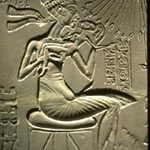 Aken
AkenFurthermore, Amathaounta is sometimes depicted with specific attributes that enhance her symbolism. She may be shown with a staff or a sistrum, both of which are tools associated with divine authority and music. The sistrum, in particular, was used in religious ceremonies and is linked to the goddess Hathor, who represents joy and music. This suggests that Amathaounta might also embody the joyous aspects of transformation, celebrating the changes in life rather than fearing them.
Mythological Context
To understand Amathaounta fully, it is essential to place her within the broader context of Egyptian mythology. The ancient Egyptians had a complex pantheon, with gods and goddesses representing various aspects of life and nature. Many of these deities were interconnected, often sharing attributes or stories that emphasized their relationships. For instance, Amathaounta’s themes of transformation resonate with the stories of Osiris, the god of the afterlife, who was also associated with resurrection.
Osiris’s myth involves his death and subsequent resurrection, symbolizing the eternal cycle of life and death. In this context, Amathaounta could be seen as a supportive figure, guiding souls through their transformations in the afterlife. This connection emphasizes the importance of regeneration, not just in a physical sense but also in a spiritual context. The ancient Egyptians believed in the necessity of transformation for the soul to achieve immortality, making Amathaounta’s role vital in the grand scheme of their beliefs.
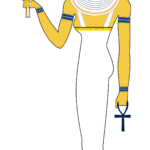 Bast
BastCult and Worship
While there is limited information about the specific worship of Amathaounta, it is likely that she was venerated in localized cults or during certain festivals. The ancient Egyptians often held festivals that celebrated the cycles of nature, such as the flooding of the Nile or the harvest. These events provided opportunities for communities to honor deities associated with transformation and fertility.
Rituals dedicated to Amathaounta might have involved offerings of flowers and fruits, symbolizing the bounty of nature and the promise of renewal. Additionally, music and dance were integral parts of Egyptian worship, allowing followers to express their reverence joyfully. Such rituals would have reinforced the community’s connection to the cycles of life, highlighting the importance of transformation and regeneration in their daily lives.
Amathaounta in Art and Literature
Art and literature are crucial for understanding how deities like Amathaounta were perceived in ancient Egyptian society. While specific depictions of Amathaounta may be rare, the use of the lotus flower in art can signify her presence. The lotus is often shown in various artistic forms, symbolizing beauty, purity, and the potential for rebirth. These representations serve as a reminder of the underlying themes of transformation that Amathaounta embodies.
In literature, the stories surrounding Egyptian deities often intertwine, creating a rich narrative tapestry. Amathaounta may appear in texts that discuss the themes of change and renewal, even if she is not explicitly named. Such stories might emphasize the importance of accepting change as a natural part of life, resonating with the beliefs held by the ancient Egyptians regarding the afterlife and the cyclical nature of existence.
Comparison with Other Deities
To appreciate Amathaounta’s place in Egyptian mythology, it is helpful to compare her with other deities who embody similar themes. For example, Hathor is another goddess associated with transformation, particularly in the context of love and joy. Hathor’s nurturing nature and connection to music and dance parallel some of the qualities attributed to Amathaounta, suggesting that both goddesses play vital roles in the emotional and spiritual lives of the ancient Egyptians.
Another notable comparison can be made with Ma’at, the goddess of truth and order. Ma’at represents the balance and harmony necessary for the universe to function, much like how Amathaounta symbolizes the balance between life and death. While Ma’at focuses on maintaining cosmic order, Amathaounta emphasizes the personal journey of transformation, allowing individuals to navigate their paths through the cycles of existence.
Modern Interpretations and Influence
In contemporary discussions of mythology, figures like Amathaounta can inspire various interpretations and applications. Modern spiritual practices often draw from ancient beliefs, incorporating themes of transformation and regeneration into rituals and personal growth. Amathaounta’s association with the lotus flower, for example, resonates with many who seek to embrace change and find beauty in life’s challenges.
Moreover, the stories and symbols of Egyptian mythology continue to influence art, literature, and popular culture. Artists and writers frequently reference Egyptian themes to explore ideas of identity, change, and the human experience. Amathaounta’s representation of transformation serves as a reminder of the universal journey we all undergo, making her a relevant figure even in today’s world.
the exploration of Amathaounta within the framework of Egyptian mythology reveals a rich and complex character that embodies transformation and renewal. Her connections to the lotus flower, her possible links to other deities, and her role in the mythological narrative all contribute to a deeper understanding of her significance. Through the lens of modern interpretations, Amathaounta remains a powerful symbol of change, reminding us of the beauty that can emerge from life’s cycles.