
In Hindu mythology, the term Mudra refers to a symbolic or ritual gesture that is often used in various forms of spiritual practice, including yoga, meditation, and dance. These gestures are not merely physical movements; they carry profound meanings and are believed to channel energy within the body and connect individuals to the divine. Each mudra has its own significance and is often associated with specific deities or spiritual practices. Understanding the role of mudras can enhance one’s spiritual journey and provide deeper insights into the practices of Hinduism.
The Origin of Mudras
The concept of mudras dates back thousands of years, with roots in ancient Indian traditions. They are mentioned in several sacred texts, including the Vedas and Tantras. Mudras are considered a form of non-verbal communication that conveys spiritual intentions and emotions. The word “mudra” itself comes from the Sanskrit language, where it means “seal” or “mark.” This implies that these gestures are a way to seal or signify a particular state of being or intention.
 Mohini
Throughout history, mudras have been used in various contexts, from religious ceremonies to performing arts. In Buddhism, for instance, mudras are also prevalent, especially in the depiction of the Buddha in art. Each posture of the Buddha’s hands represents different aspects of his teachings. This cross-cultural significance of mudras highlights their importance beyond just Hindu mythology, reflecting a universal language of expression.
Types of Mudras
Mudras can be categorized into several types based on their application and significance. Some of the most common types include:
- Hasta Mudras: These are hand gestures used in various forms of worship and meditation.
- Asana Mudras: These involve the entire body and are often used in yoga practices.
- Bandha Mudras: These are energy locks that help control the flow of energy within the body.
- Pranayama Mudras: These are related to breathing techniques and help in controlling breath and energy.
Each type of mudra serves a different purpose and can be utilized to achieve specific spiritual or physical outcomes. For example, Hasta Mudras are primarily used in meditation and rituals to invoke divine blessings, while Asana Mudras can enhance physical postures during yoga practice. The variety of mudras available allows practitioners to choose the ones that resonate most with their spiritual goals.
 Mitra
MitraHasta Mudras: Hand Gestures
Hasta mudras are among the most recognized forms of mudras, primarily because they involve the hands. These gestures can be simple or complex and are often used in meditation and rituals to enhance focus and spiritual connection. One of the most famous hasta mudras is the Gyan Mudra, where the tip of the thumb touches the tip of the index finger while the other fingers are extended. This mudra is believed to enhance concentration and knowledge.
Another significant hasta mudra is the Chin Mudra, which is similar to Gyan Mudra but involves the palm facing upward. This gesture is often used in meditation to promote inner peace and tranquility. Each hasta mudra carries specific meanings and benefits, making them essential tools for practitioners seeking to deepen their spiritual experience.
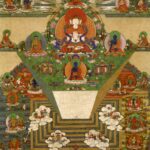 Meru
MeruBenefits of Hasta Mudras
Practicing hasta mudras can provide numerous benefits, including:
- Enhanced Focus: Mudras like Gyan Mudra help in improving concentration and mental clarity.
- Emotional Balance: Certain mudras can aid in regulating emotions and reducing stress.
- Spiritual Connection: Hasta mudras are often used to invoke a sense of connection with the divine.
- Improved Energy Flow: These gestures can help in balancing the energy within the body.
Incorporating hasta mudras into daily practice can lead to a more centered and balanced life. They serve as a reminder of the spiritual journey and can be easily practiced anywhere, making them accessible for everyone.
Asana Mudras: Body Postures
Asana mudras involve the entire body and are often practiced in conjunction with yoga. These mudras focus on the alignment of the body to facilitate the flow of energy and enhance physical and spiritual well-being. One common asana mudra is the Padmasana or Lotus Pose, which is used in meditation. This posture is believed to promote stability and calmness, making it an ideal position for deep meditation.
Another significant asana mudra is the Sukhasana, or Easy Pose. This posture is simpler and more accessible for many practitioners. It promotes relaxation and is often used in meditation practices to help calm the mind and prepare for deeper states of awareness. Each asana mudra has its own unique benefits, and choosing the right one can greatly enhance the meditation experience.
Benefits of Asana Mudras
The practice of asana mudras offers various advantages, such as:
- Physical Flexibility: Regular practice can improve flexibility and strength in the body.
- Mental Clarity: These postures help in clearing the mind and enhancing focus.
- Stress Reduction: Asana mudras promote relaxation and reduce anxiety levels.
- Spiritual Awakening: They aid in connecting with higher states of consciousness.
Asana mudras are integral to yoga practice, allowing individuals to explore the connection between body and spirit. By combining physical postures with breath and intention, practitioners can experience profound transformations.
Bandha Mudras: Energy Locks
Bandha mudras are specialized gestures that involve the contraction of certain muscles to control the flow of energy within the body. These locks help to direct energy to specific areas, enhancing the effectiveness of yoga and meditation practices. The three primary bandhas are Uddiyana Bandha, Mula Bandha, and Jalandhara Bandha. Each bandha has a unique purpose and benefits.
Uddiyana Bandha involves pulling the abdomen inward and upward, stimulating the digestive organs and promoting energy flow throughout the body. Mula Bandha focuses on contracting the pelvic floor muscles, which is believed to ground energy and enhance stability. Jalandhara Bandha is the throat lock, which helps in controlling breath and calming the mind. Together, these bandhas create a powerful synergy that enhances spiritual practices.
Benefits of Bandha Mudras
Practicing bandha mudras can lead to numerous benefits, including:
- Increased Energy Control: Bandhas help in regulating energy flow, enhancing vitality.
- Improved Concentration: These locks can aid in focusing the mind during meditation.
- Spiritual Growth: Bandha mudras facilitate deeper states of meditation and spiritual awakening.
- Physical Strength: Regular practice can strengthen core muscles and improve posture.
Incorporating bandha mudras into yoga practice can significantly enhance one’s spiritual and physical journey. They are powerful tools for cultivating awareness and energy control, leading to a more fulfilling practice.
Pranayama Mudras: Breathing Techniques
Pranayama mudras are closely related to breathing techniques in yoga. They are designed to regulate breath and enhance the flow of prana, or life force energy, within the body. One popular pranayama mudra is Nadi Shodhana, or alternate nostril breathing. This technique involves closing one nostril while inhaling through the other and then switching sides. This practice is believed to balance the body’s energy channels and promote relaxation.
Another important pranayama mudra is Ujjayi Pranayama, or victorious breath. This technique involves breathing deeply through the nose while slightly constricting the throat, creating a soft sound. Ujjayi Pranayama is often used during yoga practice to enhance focus and endurance. Each pranayama mudra serves to deepen the connection between breath and body, facilitating a greater awareness of the present moment.
Benefits of Pranayama Mudras
Practicing pranayama mudras can provide numerous benefits, such as:
- Stress Relief: Regulating breath helps in calming the mind and reducing anxiety.
- Enhanced Lung Capacity: These techniques improve respiratory function and lung strength.
- Improved Focus: Pranayama promotes mental clarity and concentration.
- Spiritual Awareness: These practices deepen the connection to one’s inner self and promote spiritual growth.
Incorporating pranayama mudras into daily practice can lead to a more balanced and harmonious life. They serve as powerful tools for enhancing overall well-being and spiritual development.
Mudras in Hindu Rituals
Mudras play a significant role in various Hindu rituals and ceremonies. They are often used by priests and devotees during worship to express devotion and connect with the divine. Each ritual may incorporate specific mudras that align with the intentions of the ceremony. For instance, during Puja (worship), certain hasta mudras are employed to invoke blessings and create a sacred atmosphere.
Additionally, mudras are integral to the performance of classical dance forms in India, such as Bharatanatyam and Kathak. In these dances, mudras are used to convey emotions and tell stories, showcasing the rich cultural heritage of India. The expressive nature of mudras in dance emphasizes their importance as a form of communication that transcends language.
Common Mudras in Hindu Rituals
Several mudras are commonly used in Hindu rituals, including:
- Anjali Mudra: Also known as the prayer position, this gesture involves bringing palms together in front of the heart, symbolizing respect and devotion.
- Abhaya Mudra: This gesture represents fearlessness and protection, often depicted in sculptures of deities.
- Varada Mudra: This mudra signifies granting wishes and is commonly associated with the goddess Lakshmi.
- Shakti Mudra: This gesture is used to invoke the divine feminine energy and is often practiced during rituals dedicated to goddesses.
These mudras not only enhance the spiritual experience but also create a deeper connection between the devotee and the divine. They serve as a reminder of the rich traditions and beliefs that are integral to Hindu practices.
The Role of Mudras in Meditation
Mudras are essential components of meditation practices in Hinduism. They help to focus the mind and enhance the overall experience of meditation. By incorporating specific mudras into meditation, practitioners can create a conducive environment for inner exploration and spiritual growth. For example, using the Gyan Mudra during meditation can help in fostering a deeper sense of awareness and concentration.
Additionally, mudras can help in balancing the body’s energy and promoting a sense of calmness. When practiced regularly, they can facilitate a more profound connection with the inner self and enhance the ability to remain present in the moment. This aspect of mudras makes them invaluable tools for anyone seeking to deepen their meditation practice.
Tips for Practicing Mudras in Meditation
Here are some tips for effectively incorporating mudras into your meditation practice:
- Choose the Right Mudra: Select a mudra that resonates with your intention for meditation.
- Maintain Comfort: Ensure that your body is in a comfortable position to avoid distractions during meditation.
- Focus on Breath: Combine mudras with breath awareness to enhance the meditative experience.
- Practice Regularly: Consistency is key to experiencing the benefits of mudras in meditation.
By integrating mudras into meditation, practitioners can cultivate a more profound spiritual experience and foster a greater sense of inner peace.
Mudras are a fascinating aspect of Hindu mythology, representing the intersection of physical movement, spiritual intention, and divine connection. Their diverse forms and meanings provide practitioners with powerful tools for enhancing their spiritual journey. Whether through hasta, asana, bandha, or pranayama mudras, each gesture carries its own significance and benefits. Incorporating mudras into daily practice can lead to a more centered and balanced life, enriching the overall experience of spirituality in Hinduism.