
Amitabha is one of the most significant figures in Buddhist mythology, revered primarily in Mahayana Buddhism. He is known as the Buddha of Infinite Light and is associated with the Pure Land school of Buddhism. His name, Amitabha, translates to “Infinite Light,” which reflects his qualities of wisdom and compassion. Devotees believe that reciting his name can lead them to a state of enlightenment and rebirth in his Pure Land, a realm of bliss and spiritual purity. The mythology surrounding Amitabha is rich and profound, offering insights into the nature of existence and the path to enlightenment.
The Origins of Amitabha
The story of Amitabha begins in ancient India, where he was originally known as Dharmakara, a monk who made a series of vows to attain Buddhahood. According to the Pure Land Sutras, Dharmakara observed the suffering of beings in the world and decided to create a paradise where they could be free from pain and sorrow. He dedicated himself to this noble cause and spent eons accumulating merit and wisdom. After fulfilling his vows, he achieved Buddhahood and took the name Amitabha.
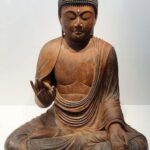 Amida
AmidaHis journey from a monk to a Buddha is significant as it highlights the transformative power of compassion. Amitabha’s vows, known as the “48 Vows,” express his deep desire to help all sentient beings. These vows include promises such as ensuring that anyone who sincerely calls upon his name will be reborn in his Pure Land. This aspect of his story emphasizes the accessibility of enlightenment, making it available to everyone, regardless of their current state.
The Pure Land of Amitabha
Amitabha’s Pure Land, known as Sukhavati, is described as a realm of ultimate bliss. In this land, there is no suffering, and beings enjoy a life of peace and happiness. The landscapes are filled with beautiful flowers, rivers of pure water, and golden palaces. In Sukhavati, the teachings of the Dharma are easily accessible, and beings can attain enlightenment without the obstacles present in our current world.
The concept of the Pure Land serves as a source of hope for many Buddhists. It represents a place where one can cultivate their spiritual practice without distractions. In the Pure Land, Amitabha is present to guide and assist all beings on their path to enlightenment. This idea encourages practitioners to aspire to be reborn in this realm, reinforcing the belief that spiritual progress is possible through devotion and faith.
 Akshobhya
Characteristics of Sukhavati
- Beauty: The Pure Land is filled with stunning natural beauty, making it a perfect environment for spiritual growth.
- Peace: There is no conflict or suffering in Sukhavati, allowing beings to focus on their practice.
- Accessibility: The teachings of the Buddha are readily available, enabling all beings to learn and grow.
- Presence of Amitabha: The constant presence of Amitabha provides guidance and support to all who reside there.
The Role of Amitabha in Buddhist Practice
Amitabha plays a crucial role in the practice of many Buddhists, especially those who follow the Pure Land tradition. One of the primary practices associated with Amitabha is the recitation of his name, known as Nembutsu in Japanese or Nianfo in Chinese. This practice involves repeating the name of Amitabha with sincerity and devotion, which is believed to invoke his presence and compassion.
Reciting Amitabha’s name serves multiple purposes. It helps practitioners to focus their minds, cultivate positive thoughts, and develop a deeper connection with the Buddha. Many practitioners believe that by sincerely calling upon Amitabha, they can attain rebirth in the Pure Land, thus removing themselves from the cycle of suffering known as samsara. This practice has become a cornerstone of Pure Land Buddhism, encouraging a simple yet profound approach to spiritual development.
Benefits of Reciting Amitabha’s Name
- Calmness: Reciting the name can bring about a sense of peace and tranquility.
- Focus: It helps to clear the mind of distractions, allowing for deeper meditation.
- Connection: Practitioners feel a stronger bond with Amitabha, fostering a sense of support and guidance.
- Hope: The practice instills a sense of hope for a better rebirth in the Pure Land.
Amitabha in Different Cultures
Amitabha is revered not only in India but also in various other cultures, particularly in East Asia. In countries like China, Japan, and Korea, Amitabha has become a central figure in Buddhist worship. Each culture has its unique interpretations and practices associated with Amitabha, enriching the understanding of his significance in Buddhism.
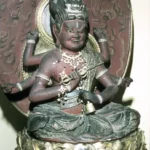 Aizen Myo’o
In Chinese Buddhism, Amitabha is often depicted in art and sculpture, symbolizing his qualities of compassion and wisdom. Temples dedicated to Amitabha are common, where devotees gather to chant his name and seek his blessings. Similarly, in Japan, the Pure Land sects have a significant following, with Amitabha being a focal point of worship. The practice of Nembutsu is prevalent, and many temples are dedicated to him, highlighting the importance of his teachings in Japanese culture.
Amitabha’s Influence in Art and Literature
- Paintings: Amitabha is often depicted in traditional paintings, showcasing his serene and compassionate nature.
- Sutras: Various texts, such as the Lotus Sutra and the Pure Land Sutras, elaborate on his teachings and significance.
- Statues: Many temples feature large statues of Amitabha, serving as focal points for worship and meditation.
- Festivals: Celebrations dedicated to Amitabha are held in various cultures, promoting community and devotion.
The Significance of Amitabha’s Vows
Amitabha’s 48 Vows are a fundamental aspect of his mythology and teachings. These vows outline his commitment to helping all sentient beings achieve enlightenment. Each vow addresses specific conditions under which he promises to assist beings, making them accessible and relevant to practitioners. The vows highlight the core Buddhist values of compassion, wisdom, and the desire to alleviate suffering.
One of the most significant vows states that anyone who calls upon Amitabha with a sincere heart will be reborn in his Pure Land. This promise serves as a source of hope and motivation for many practitioners. It emphasizes the importance of intention and sincerity in spiritual practice. By understanding and reflecting on these vows, practitioners can cultivate a deeper appreciation for Amitabha’s compassion and the potential for their own spiritual growth.
Key Vows of Amitabha
- Rebirth in Pure Land: Anyone who sincerely calls his name will be reborn in Sukhavati.
- Guidance: Amitabha will guide all beings in their journey toward enlightenment.
- Compassion: He promises to alleviate the suffering of all who seek his help.
- Accessibility: His teachings will be easy to understand and practice in the Pure Land.
Amitabha and the Concept of Enlightenment
The teachings of Amitabha are deeply intertwined with the concept of enlightenment in Buddhism. Enlightenment, or Nirvana, is the ultimate goal of Buddhist practice, representing the liberation from suffering and the cycle of rebirth. Amitabha’s role is to facilitate this journey for all beings, offering a clear path through the recitation of his name and the aspiration to be reborn in the Pure Land.
The Pure Land serves as a stepping stone toward enlightenment. In Sukhavati, practitioners can cultivate their understanding of the Dharma without the distractions and challenges present in our current world. This idea aligns with the Mahayana belief that enlightenment is not just for oneself but for all sentient beings. Amitabha embodies this ideal, encouraging practitioners to work towards their enlightenment while also helping others on their path.
Pathways to Enlightenment through Amitabha
- Devotion: Cultivating a sincere devotion to Amitabha is a fundamental step on the path to enlightenment.
- Practice: Regular recitation of Amitabha’s name can deepen one’s understanding and connection.
- Compassion: Following Amitabha’s example of compassion towards others is essential in Buddhist practice.
- Community: Engaging with a community of practitioners can provide support and encouragement on the path.
The Modern Relevance of Amitabha
In today’s world, the teachings of Amitabha continue to resonate with many individuals seeking spiritual fulfillment and peace. The challenges of modern life, including stress, anxiety, and disconnection, make the concepts of compassion and community more relevant than ever. Amitabha’s message encourages individuals to cultivate inner peace and to reach out to others with kindness and understanding.
The practice of reciting Amitabha’s name has also found a place in contemporary spiritual practices. Many people, regardless of their background, are drawn to the simplicity and accessibility of this practice. It offers a way to connect with a deeper sense of purpose and belonging, fostering a sense of hope in a fast-paced and often chaotic world.
Amitabha’s Teachings in Daily Life
- Mindfulness: Practicing mindfulness can help individuals stay present and focused on their spiritual goals.
- Compassion: Showing compassion towards oneself and others is a vital aspect of Amitabha’s teachings.
- Community Engagement: Involvement in community service can reflect Amitabha’s commitment to helping all beings.
- Spiritual Practice: Regular spiritual practices, such as meditation and recitation, can deepen one’s connection to Amitabha.
The Legacy of Amitabha
The legacy of Amitabha is profound and far-reaching. His teachings have inspired countless individuals across cultures and generations. The Pure Land tradition continues to thrive, providing a framework for understanding compassion, devotion, and the pursuit of enlightenment. Amitabha’s influence can be seen in the art, literature, and practices of Buddhism, reflecting the enduring nature of his message.
As Buddhism continues to spread globally, Amitabha remains a vital figure, embodying the principles of compassion and wisdom. His teachings serve as a reminder of the potential for transformation within each individual. By following Amitabha’s example, practitioners can work towards creating a more compassionate world, fostering understanding and connection among all beings.
Continuing the Tradition
- Education: Learning about Amitabha’s teachings can enrich one’s spiritual practice.
- Sharing: Sharing the teachings with others helps to keep Amitabha’s legacy alive.
- Practice: Engaging in collective practices strengthens the community and deepens connections.
- Reflection: Regular reflection on Amitabha’s vows can inspire personal growth and compassion.