
Bast, also known as Bastet, is one of the most revered deities in Egyptian mythology. She is primarily known as the goddess of home, fertility, and domesticity. Over time, Bast evolved from a lioness warrior goddess to a more gentle and nurturing figure associated with women, children, and household life. Her dual nature reflects the balance between ferocity and tenderness, a theme that resonates throughout ancient Egyptian culture. Bast is often depicted with the head of a lioness or as a domestic cat, which signifies her connection to both the wild and the domestic realms.
Origins of Bast
The origins of Bast can be traced back to ancient Egypt, where she was initially worshipped as a lioness goddess. The earliest records of her worship date back to the Second Dynasty (c. 2890–2686 BCE). Bast was originally associated with the sun and was considered a fierce protector of the pharaoh and the nation. Her name is derived from the ancient Egyptian word “bast,” which means “to protect.” Over time, her image transformed as she became more closely associated with domestic life and the nurturing aspects of motherhood.
By the time of the New Kingdom (c. 1550–1070 BCE), Bast had transitioned into a goddess of fertility and childbirth. She was celebrated in various festivals, especially during the festival of Bubastis, which was held in her honor. This festival attracted thousands of worshippers who would travel to her temple in the city of Bubastis, which was one of the most significant religious centers dedicated to her worship. The festival was marked by music, dancing, and feasting, illustrating the joy and reverence that the people held for this goddess.
Symbolism and Representation
Bast is often depicted in art and sculpture as a woman with the head of a lioness or as a domestic cat. This dual representation signifies her multifaceted nature. The lioness symbolizes her fierce protective qualities, while the domestic cat represents her nurturing side. Cats were highly regarded in ancient Egypt, and killing one, even accidentally, was considered a grave offense. This reverence for cats reflects Bast’s protective nature over the home and family.
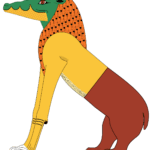 Ammit
AmmitAdditionally, Bast is frequently shown holding a sistrum, a musical instrument associated with joy and festivity. The sistrum symbolizes her role as a goddess of music and dance, further emphasizing the celebratory aspects of her worship. In many depictions, she is also shown with a basket or a jar, which signifies abundance and fertility. These symbols combined illustrate the balance of her nature, embodying both the nurturing aspects of motherhood and the fierce protection of her followers.
Bast and Cats
The association between Bast and cats is one of the most significant aspects of her mythology. In ancient Egypt, cats were revered as sacred animals, believed to be protectors against evil spirits and vermin. The Egyptians believed that keeping cats in the home would bring good fortune and prosperity. As a result, many families kept cats as pets, and they were often adorned with jewelry and treated with great care.
The relationship between Bast and cats goes beyond mere companionship. Cats were seen as manifestations of the goddess herself. When a cat died, it was common for families to mourn its loss, sometimes even shaving their eyebrows as a sign of grief. The Egyptians would often bury their cats with great ceremony, sometimes even mummifying them to ensure they could accompany their owners in the afterlife. This deep connection highlights the significance of Bast in everyday life and the respect held for her associated animal.
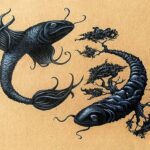 Abtu
AbtuWorship and Rituals
The worship of Bast was an integral part of ancient Egyptian religion. Her main center of worship was in the city of Bubastis, known as Per-Bast, where a grand temple was dedicated to her. The temple was a bustling hub of activity, attracting pilgrims from all over Egypt who came to pay their respects and seek her blessings. Rituals and offerings were a crucial part of worship, and priests dedicated to Bast performed daily ceremonies to honor her.
During the festival of Bubastis, which occurred annually, thousands of people would gather to celebrate. The festival included processions, music, dancing, and feasting, creating a vibrant atmosphere filled with joy. People would travel by boat along the Nile to reach the temple, and the event was marked by a sense of community and devotion. Offerings of food, wine, and incense were made to Bast, and many would seek her favor for fertility, good health, and protection.
Bast’s Influence in Art and Culture
Bast’s influence extended beyond religious practices and into the realms of art and culture. She was a popular subject in ancient Egyptian art, appearing in paintings, sculptures, and jewelry. Artists often depicted her in a way that emphasized her beauty and grace, showcasing her dual nature as both a fierce protector and a loving mother. The use of vibrant colors and intricate designs in these artworks reflects the importance of her worship in society.
Furthermore, Bast’s imagery can be seen in various artifacts, including amulets and household items. These objects often featured her likeness or symbols associated with her, serving as protective charms for families. The belief that Bast could ward off evil spirits and bring prosperity made her an essential figure in everyday life. Her presence in art and culture highlights the deep reverence the ancient Egyptians held for her and her influence on their lives.
Myths and Legends of Bast
Bast is central to several myths and legends in Egyptian mythology, many of which highlight her protective nature and her role as a goddess of fertility. One prominent myth involves the battle between the sun god Ra and the serpent Apophis. In this story, Apophis, representing chaos and destruction, threatens the order of the universe. Bast, alongside other deities, assists Ra in his fight against this evil serpent. Her fierce nature and protective qualities are showcased as she helps to restore balance and harmony.
Another popular myth surrounding Bast involves her role as a mother figure. She is often associated with the protection of children and is seen as a nurturing goddess. In one legend, she is said to have transformed into a cat to protect her son, the god Horus, from danger. This myth emphasizes her dual nature as both a fierce protector and a loving mother, illustrating the deep bond between mothers and their children in ancient Egyptian culture.
Bast in Modern Culture
The legacy of Bast continues to influence modern culture, particularly in literature, art, and popular media. Many authors and creators draw inspiration from Egyptian mythology, incorporating Bast into their stories and artworks. Her image as a cat goddess resonates with contemporary audiences, as cats remain beloved pets around the world. The mystique surrounding Bast adds to the allure of her character, making her a popular figure in fantasy and mythology.
Additionally, Bast’s influence can be seen in various forms of entertainment, including movies, video games, and television shows. She often appears as a powerful goddess or protector in these narratives, embodying the qualities that made her so revered in ancient Egypt. The resurgence of interest in ancient Egyptian mythology has brought Bast back into the spotlight, allowing new generations to discover her story and significance.
The Legacy of Bast
Bast’s legacy as a goddess of home, fertility, and protection remains significant in the study of Egyptian mythology. She represents the balance between strength and nurturing, a theme that resonates deeply in many cultures. The ancient Egyptians viewed her as a vital figure in their daily lives, seeking her blessings for health, prosperity, and safety. Her worship and the rituals surrounding her demonstrate the importance of community and family in ancient Egyptian society.
As modern society continues to explore the rich tapestry of mythology, Bast serves as a reminder of the enduring nature of these ancient beliefs. Her story, intertwined with themes of motherhood, protection, and celebration, continues to inspire and captivate people around the world. The reverence for Bast and her significance in ancient Egypt highlight the deep connection between mythology and the human experience, showcasing how these stories shape our understanding of the world.