
Aker is a significant deity in Egyptian mythology, known primarily as the god of the horizon. He embodies the concept of the earth, the sky, and the transition between the two. Aker is often depicted as a lion or as two lions back to back, symbolizing the two horizons where the sun rises and sets. His role is vital in the journey of the sun god Ra as it travels through the underworld at night, providing protection and guidance. Aker’s importance in the mythological landscape of ancient Egypt cannot be overstated, as he represents the cyclical nature of life and death.
The Symbolism of Aker
In ancient Egyptian culture, symbolism plays a crucial role in understanding deities and their significance. Aker’s form as a lion is not just a random choice; it represents strength and protection. The lion was revered in ancient Egypt for its power and ferocity, making Aker a fitting guardian for the souls traveling through the afterlife. Additionally, Aker’s association with the horizon signifies the boundary between the world of the living and the realm of the dead, which is an essential theme in Egyptian beliefs about the afterlife.
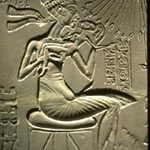 Aken
AkenMoreover, Aker is often linked to the concept of duality. The two lions that represent him symbolize the two horizons of the sun’s journey—one at dawn and the other at dusk. This duality reflects the ancient Egyptians’ understanding of life and death as interconnected parts of existence. The rising sun signifies rebirth and new beginnings, while the setting sun represents the end of a cycle. Aker, therefore, serves as a reminder of this continuous cycle, reinforcing the belief in immortality and the afterlife.
Key Attributes of Aker
- Guardian of the Underworld: Aker protects the deceased as they navigate through the challenges of the afterlife.
- Symbol of Duality: Represents both the sunrise and sunset, embodying the cycle of life and death.
- Connection to Ra: Plays a crucial role in the sun god Ra’s nightly journey through the underworld.
- Protector of Souls: Ensures the safe passage of souls into the afterlife.
Aker’s attributes highlight his multifaceted role in Egyptian mythology. As a guardian of the underworld, he is essential for the protection of souls, ensuring they can safely navigate the challenges they face after death. His connection to the sun god Ra is particularly significant, as it emphasizes the importance of light and warmth in both life and the afterlife. The ancient Egyptians believed that Ra’s journey through the underworld was fraught with danger, and Aker’s presence was crucial in guiding and protecting him during this perilous voyage.
The Role of Aker in Egyptian Rituals
The worship of Aker was an integral part of ancient Egyptian religious practices. Many rituals were performed to honor him, particularly those related to funerary rites. The ancient Egyptians believed that by appeasing Aker, they could ensure safe passage for their loved ones into the afterlife. These rituals often included offerings of food, incense, and other items that were thought to be beneficial for the deceased on their journey.
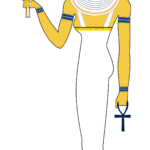 Bast
BastOne of the most common practices was the recitation of spells and prayers that invoked Aker’s protection. The Book of the Dead, a collection of funerary texts, contains numerous references to Aker and his role as a protector of souls. These texts were often placed in tombs to assist the deceased in their journey through the underworld. The careful attention to Aker’s worship underscores the deep reverence the ancient Egyptians held for this deity.
Funerary Practices Associated with Aker
- Offerings: Food, drink, and other items were placed in tombs as offerings to Aker.
- Spells and Prayers: Recitations from the Book of the Dead were used to invoke Aker’s protection.
- Tomb Decorations: Images of Aker were often painted or carved into tombs to ensure his presence.
- Rituals of Passage: Specific rituals were performed to guide the deceased safely to the afterlife.
Tomb decorations frequently included images of Aker to ensure that he would be present to protect the deceased. These artistic representations often depicted Aker as a lion or in his dual form, reinforcing his role as a guardian. The ancient Egyptians believed that by creating a visual connection to Aker, they could secure his favor and protection for the departed soul.
Aker in Art and Literature
Aker’s presence is also notable in ancient Egyptian art and literature. His depictions in tombs and temples reflect the high regard in which he was held. Artists portrayed him in various forms, often emphasizing his lion-like features to convey strength and vigilance. These artistic representations served not only as a means of honoring Aker but also as a way to invoke his protective powers for the deceased.
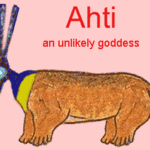 Ahti
AhtiIn literature, Aker appears in several important texts that outline the journey of the sun and the afterlife. The Pyramid Texts and the Book of the Dead both reference Aker’s role in guiding the deceased. These texts highlight the significance of Aker in the context of the larger mythological narrative, illustrating how intertwined he is with other deities and the overarching themes of life, death, and rebirth.
Artistic Representations of Aker
- Statues and Reliefs: Aker is often depicted in statues and reliefs in temples and tombs.
- Hieroglyphs: His name appears in various hieroglyphs, emphasizing his importance.
- Symbolic Imagery: Artistic representations often include the sun, reinforcing his connection to Ra.
- Funerary Art: Aker’s image is frequently found in funerary art to ensure protection in the afterlife.
The symbolic imagery associated with Aker often includes the sun, which reinforces his connection to Ra and the natural cycles of day and night. This relationship is crucial in understanding Aker’s role within the larger framework of Egyptian mythology. The artistic interpretations of Aker not only served a decorative purpose but also functioned as a means of communication with the divine, allowing worshippers to connect with this powerful deity.
Aker and the Afterlife
The afterlife was a central aspect of ancient Egyptian belief systems, and Aker played a vital role in this realm. The ancient Egyptians viewed death not as an end but as a transition to another state of existence. Aker’s role as the guardian of the horizon made him a crucial figure in this transition. He was believed to assist the souls of the deceased as they moved from the realm of the living to the afterlife.
Aker’s protective qualities were especially significant during the Weighing of the Heart ceremony, a pivotal moment in the afterlife journey. In this ceremony, the heart of the deceased was weighed against the feather of Ma’at, the goddess of truth and justice. Aker’s presence was essential in ensuring that the deceased could navigate this process without harm. If the heart was lighter than the feather, the soul could enter the afterlife; if not, it faced dire consequences.
Significance of the Weighing of the Heart
- Judgment of the Soul: A critical moment determining the fate of the deceased.
- Aker’s Role: Provides guidance and protection during the ceremony.
- Ma’at’s Feather: Represents truth and justice, essential for the journey to the afterlife.
- Consequences of Failure: A heavy heart could lead to the soul being devoured.
The Weighing of the Heart ceremony illustrates the delicate balance between life and death, with Aker serving as a protective figure during this pivotal moment. His involvement emphasizes the importance of moral conduct in life, as the judgment of the heart reflects the actions taken during one’s lifetime. Aker’s presence reassures the deceased that they are not alone in this journey and that divine assistance is available to guide them through the challenges of the afterlife.
Aker’s Legacy in Modern Culture
Today, Aker’s influence can still be seen in various aspects of modern culture. While the worship of ancient Egyptian deities has largely diminished, the stories and symbols associated with them continue to captivate people’s imaginations. Aker’s representation as a guardian of the afterlife resonates with contemporary themes of protection and guidance, making him a relevant figure even in modern discussions about spirituality and the afterlife.
Additionally, Aker’s depiction in art and literature has inspired countless artists and writers throughout history. His image often appears in works that explore themes of duality, life, and death, reflecting the ongoing fascination with ancient Egyptian mythology. This legacy highlights the enduring nature of Aker’s significance and the ways in which ancient beliefs continue to shape contemporary understandings of existence.
Modern Interpretations of Aker
- Artistic Inspirations: Aker’s image continues to inspire modern artists and creators.
- Literary References: His stories are often referenced in books and films exploring ancient Egypt.
- Spiritual Symbolism: Aker is sometimes invoked in discussions about protection and guidance.
- Cultural Interest: The fascination with Egyptian mythology persists in popular culture.
As modern society continues to explore and reinterpret ancient beliefs, Aker remains a compelling figure. His duality as a protector of souls and a symbol of the horizon captures the complexities of life and death. In literature, film, and art, Aker’s legacy endures, allowing new generations to engage with the rich tapestry of Egyptian mythology. This ongoing interest speaks to the timeless nature of these ancient stories and the profound questions they raise about existence, mortality, and the afterlife.