
In ancient Egyptian mythology, Aken is a figure that often intrigues scholars and enthusiasts alike. Aken, or Akenaten, was a pharaoh of the Eighteenth Dynasty of Egypt, known for his revolutionary approach to religion and art. He is particularly famous for promoting the worship of a single deity, the sun god Aten, which marked a significant departure from the traditional polytheistic practices of ancient Egypt. This article explores the life, reign, and impact of Aken, shedding light on his contributions to Egyptian mythology and history.
The Historical Context of Aken
Aken reigned during a period of great change in ancient Egypt, roughly from 1353 to 1336 BCE. His time as pharaoh was marked by a shift in religious beliefs that had profound implications for Egyptian society. Prior to Aken, the Egyptians worshipped a pantheon of gods and goddesses, each representing various aspects of life and nature. However, Aken introduced a form of monotheism that centered around Aten, the sun disk. This transformation not only affected religious practices but also influenced art, culture, and political structures in ancient Egypt.
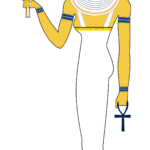 Bast
BastThe shift towards monotheism under Aken was not merely a personal belief but a state-sponsored initiative. Aken established a new capital city called Akhetaten, modern-day Amarna, which served as the center for the worship of Aten. This city was meticulously planned and represented a radical departure from the architectural styles and religious practices of previous dynasties. Aken’s reign is often seen as a pivotal moment in the history of ancient Egypt, as it challenged longstanding traditions and beliefs.
The Life of Aken
Aken, originally named Amenhotep IV, was born into the royal family of Egypt. He ascended to the throne following the death of his father, Amenhotep III, who had been one of Egypt’s most powerful and successful pharaohs. Unlike his father, Aken sought to redefine the relationship between the pharaoh and the divine. He believed that he was the sole intermediary between Aten and the people, which elevated his status and authority.
 Ahti
AhtiDuring his reign, Aken made significant changes to the religious landscape of Egypt. He replaced the traditional gods with Aten, promoting a new form of worship that emphasized the sun’s role as the source of life and power. This shift was not without opposition, as many priests and followers of the old gods resisted Aken’s reforms. Nevertheless, he persisted, believing that a single god would unify the nation and strengthen his rule.
The Religious Reforms of Aken
Aken’s religious reforms were groundbreaking and controversial. By elevating Aten to the status of the sole deity, Aken attempted to dismantle the established religious hierarchy that had existed for centuries. This move was not merely theological; it was also political, as it diminished the power of the powerful priesthoods associated with other gods. Aken sought to centralize religious authority in his own hands, which allowed him to consolidate power and control over the state.
The new religion centered on Aten emphasized the importance of the sun and its life-giving properties. Aken commissioned numerous temples dedicated to Aten, including the magnificent Temple of Aten at Akhetaten. This temple was designed to allow sunlight to illuminate the inner sanctum, symbolizing the direct connection between the sun god and the pharaoh. The architectural style of the temples and the art produced during this period reflected a more naturalistic approach, departing from the rigid forms of earlier Egyptian art.
 Ammit
AmmitKey Aspects of Aken’s Religious Reforms
- Monotheism: Aken promoted the worship of Aten as the sole god.
- New Capital: He established Akhetaten as the center of worship.
- Artistic Changes: Art became more naturalistic and less formal.
- Temple Construction: Numerous temples were built in honor of Aten.
Despite his efforts, Aken’s reforms were met with resistance from various factions within Egyptian society. The traditional priesthoods, particularly those associated with Amun, felt threatened by Aken’s actions. As a result, Aken’s reign was marked by conflict and tension, as he sought to impose his vision of religious unity on a populace that had long been accustomed to polytheistic worship.
The Art and Culture of Aken’s Reign
Aken’s reign is often celebrated for its artistic innovations and cultural advancements. The art produced during this period reflects a dramatic shift in style and subject matter. Artists began to depict the royal family in a more intimate and naturalistic manner, showcasing their daily lives and interactions. This was a departure from the idealized representations of previous pharaohs and indicated a new direction in Egyptian art.
The famous reliefs and sculptures from this period often portray Aken, his wife Nefertiti, and their children in affectionate poses. This familial focus was a significant change from the more formal depictions of rulers and deities seen in earlier art. The artistic style of Aken’s reign is characterized by elongated forms and a sense of movement, which further emphasizes the connection between the royal family and the divine.
Notable Artistic Achievements
- Nefertiti Bust: One of the most famous artifacts from this period, showcasing beauty and elegance.
- Royal Family Scenes: Depictions of Aken and his family in everyday activities.
- Naturalistic Styles: A departure from traditional rigid forms in art.
- Innovative Temples: Architectural designs that celebrated the sun and its significance.
The cultural impact of Aken’s reign extended beyond art. The introduction of the worship of Aten fostered a new sense of identity among the people. It encouraged a focus on the natural world and the importance of the sun, which resonated deeply with the agrarian society of ancient Egypt. Festivals and rituals associated with Aten became prominent, further embedding this new belief system into the fabric of daily life.
The Fall of Aken and the Aftermath
Despite his ambitious reforms, Aken’s reign faced numerous challenges, both during and after his time as pharaoh. Following his death, the religious changes he implemented quickly began to unravel. His successor, Tutankhamun, was a child when he ascended the throne and reverted back to the traditional polytheistic practices of Egypt. This shift marked a rejection of Aken’s monotheism and a return to the worship of the old gods, particularly Amun.
The aftermath of Aken’s reign saw a concerted effort to erase his legacy. Many of the temples dedicated to Aten were dismantled, and the city of Akhetaten was abandoned. The priests of Amun regained their power and influence, and the old religious order was restored. Aken’s name and image were systematically removed from monuments and records, an act of damnatio memoriae that reflected the deep-seated resistance to his reforms.
Consequences of Aken’s Fall
- Restoration of Polytheism: A return to the worship of multiple gods.
- Destruction of Temples: Many temples dedicated to Aten were torn down.
- Erasure of Aken’s Legacy: His name and likeness were removed from records.
- Rise of Amun’s Priests: The priesthood regained its power and influence.
The legacy of Aken, however, did not vanish entirely. Over the centuries, his story has fascinated historians and archaeologists. The period of Akhenaten is often viewed as a unique chapter in ancient Egyptian history, representing a moment of radical change and experimentation. His attempts to reshape religion and art have led to extensive scholarly debate, making Aken a central figure in the study of ancient Egypt.
Aken in Modern Scholarship
The figure of Aken continues to captivate researchers and historians today. Modern scholarship has sought to understand the complexities of his reign, exploring the motivations behind his religious reforms and the cultural shifts that occurred during this time. Archaeological discoveries, including the ruins of Akhetaten, have provided valuable insights into the daily lives of the people who lived during Aken’s reign.
Many scholars view Aken’s attempts at monotheism as an early example of religious innovation. His vision for a single god has drawn comparisons to other monotheistic religions that emerged later in history. Additionally, the art and culture of Aken’s time have been subjects of admiration and study, highlighting the unique contributions of this period to the broader narrative of ancient Egyptian civilization.
Key Areas of Modern Research
- Religious Innovation: Examining Aken’s monotheism in a historical context.
- Artistic Developments: Analyzing the changes in artistic styles and themes.
- Archaeological Discoveries: Investigating the ruins of Akhetaten and their significance.
- Social Impact: Understanding how Aken’s reforms affected daily life in ancient Egypt.
In recent years, there has been a resurgence of interest in Aken, particularly in popular culture. Documentaries, books, and exhibitions have explored his life and reign, making the ancient pharaoh accessible to a broader audience. This renewed fascination highlights the enduring legacy of Aken and the impact he had on the course of Egyptian history.
The Legacy of Aken
Aken’s legacy is complex and multifaceted. While his religious reforms were largely reversed after his death, the very act of challenging the established norms has left an indelible mark on the history of ancient Egypt. His reign represents a moment of bold experimentation that, although short-lived, prompted discussions about faith, power, and identity that resonate to this day.
The story of Aken is also a reminder of the fragility of revolutionary ideas. Even the most ambitious reforms can be undone by the forces of tradition and resistance. However, Aken’s willingness to challenge the status quo continues to inspire discussions about the nature of belief and the role of leadership in shaping society.
Reflections on Aken’s Impact
- Challenging Traditions: Aken’s reforms prompted discussions about religious authority.
- Artistic Innovation: The naturalistic art of his time influenced future generations.
- Historical Interest: Modern scholarship continues to explore his reign.
- Popular Culture: Aken’s story remains relevant in contemporary discussions.
Aken’s reign represents a significant chapter in the rich tapestry of ancient Egyptian mythology and history. His attempts to redefine the relationship between the divine and the pharaoh, along with his innovative artistic contributions, have solidified his place as a pivotal figure in the narrative of ancient Egypt. As we continue to explore the complexities of Aken’s life and legacy, we gain deeper insights into the enduring power of belief and the transformative nature of cultural change.