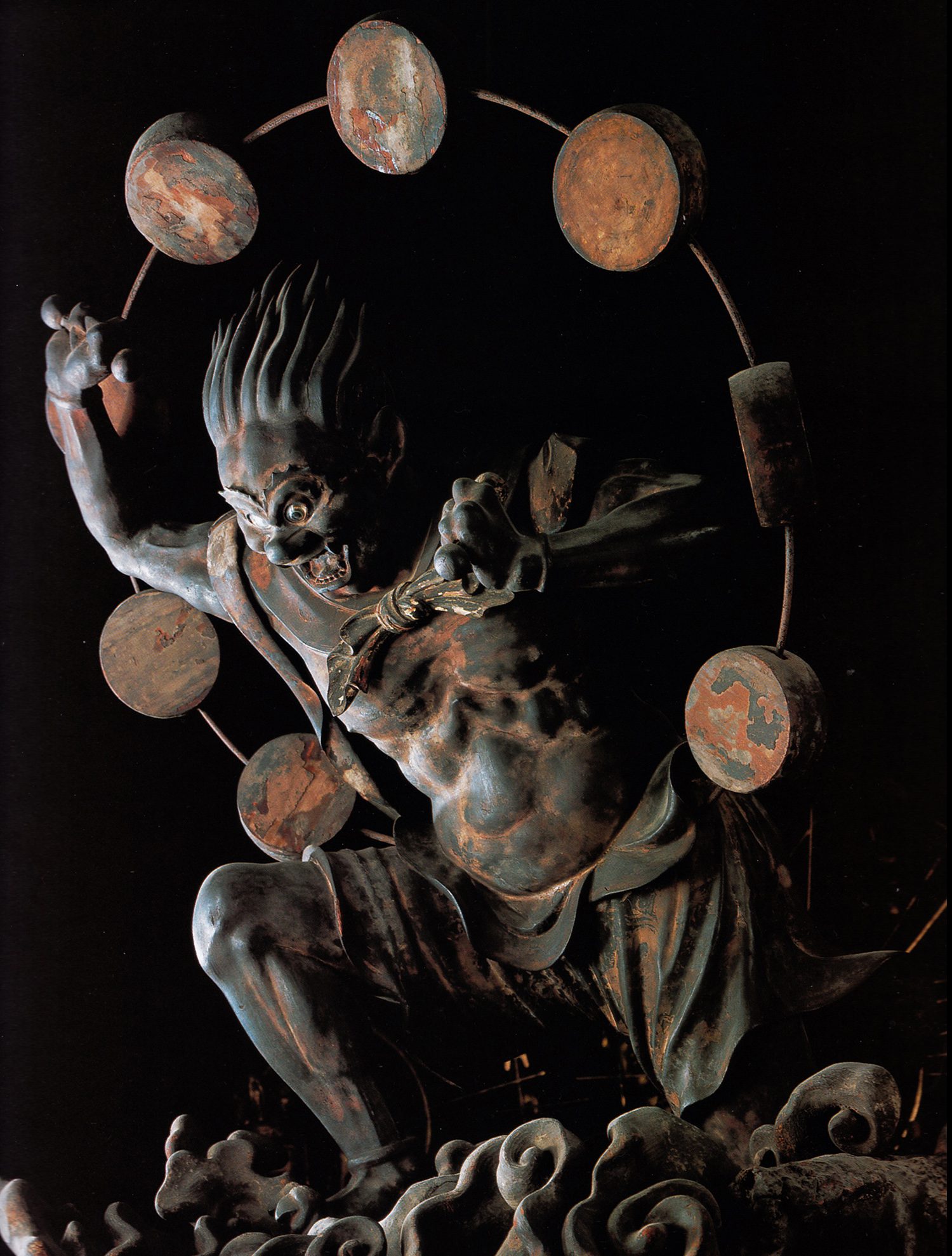
Raijin, the Japanese god of thunder, is a prominent figure in Japanese mythology. He is often depicted as a fierce and powerful deity, associated with storms and lightning. Raijin is not just a symbol of thunder; he represents the natural forces that can both create and destroy. His character has been shaped by centuries of cultural beliefs and stories, making him an essential part of Japan’s rich mythological tapestry. In this article, we will explore the various aspects of Raijin, including his origins, characteristics, and his role in Japanese culture.
Origins of Raijin
The origins of Raijin can be traced back to ancient Japan, where various deities were worshipped to explain the mysteries of nature. Raijin is believed to have emerged from the fusion of indigenous beliefs and influences from Buddhism and Shinto. In Shinto, the indigenous spirituality of Japan, gods are referred to as kami, and Raijin is considered one of the most powerful kami due to his control over thunder and storms.
 Toyotama-hime
According to some legends, Raijin is the child of Takeminakata, the god of agriculture and military prowess, and Fujin, the god of wind. This parentage is significant as it highlights the interconnectedness of different natural elements. The combination of wind and thunder creates storms, making Raijin a crucial figure in maintaining the balance of nature. His existence reflects the ancient Japanese understanding of the world, where gods were often linked to natural phenomena.
Physical Depiction
Raijin is typically depicted as a fearsome figure with a muscular build, often shown with a drum that he beats to create thunder. His appearance is striking, with wild hair and a fierce expression that conveys his power. In traditional artwork, he is sometimes shown alongside Fujin, the god of wind, emphasizing their roles in the natural world. Raijin’s skin is often painted in a deep red or blue hue, symbolizing his connection to storms and the violent forces of nature.
His representation in art and sculpture can vary, but he is frequently surrounded by lightning bolts and clouds, reinforcing his association with thunder. The drums he carries are not just instruments; they are a vital part of his identity, symbolizing the sound of thunder that can both terrify and awe those who hear it. This visual representation has made Raijin a popular figure in Japanese art, from ancient scrolls to modern interpretations.
 Oni
OniRaijin in Japanese Culture
Raijin holds a significant place in Japanese culture, appearing in various forms of art, literature, and festivals. His image is commonly found in temples and shrines dedicated to him, where people pray for protection from storms and natural disasters. In many Japanese homes, you can find amulets or talismans featuring Raijin, believed to ward off evil spirits and bring good fortune.
One of the most famous festivals that celebrate Raijin is the Gion Matsuri in Kyoto. This festival, held every July, features a procession of floats adorned with intricate designs, including depictions of Raijin and other deities. The festival is a vibrant celebration of culture, tradition, and the divine forces that influence the lives of the people. It serves as a reminder of the importance of honoring the gods and the natural world.
Myths and Legends
Raijin is central to many myths and legends in Japanese folklore. One popular story involves his rivalry with the deity Susanoo, the god of storms and the sea. In this tale, Susanoo challenges Raijin to a contest of strength and power. Their fierce battles create thunderstorms that can be heard across the land. This story illustrates not only Raijin’s power but also the balance of forces in nature, as both gods play essential roles in the world.
 Oyamatsumi
Another myth tells of Raijin’s role in protecting the rice fields. According to this legend, he brings the necessary rain for crops to grow, ensuring that the people have food to eat. This duality of Raijin as both a destructive and nurturing force highlights the complexity of nature and the gods that govern it. It also reflects the ancient Japanese understanding of agriculture and the reliance on weather patterns for survival.
Raijin in Modern Times
In modern times, Raijin continues to be a significant cultural icon in Japan. His image is used in various forms of media, including anime, manga, and video games. Many contemporary works draw inspiration from traditional stories, reimagining Raijin as a character with unique abilities and personalities. This modern portrayal helps to keep the myth alive, introducing new generations to the rich history of Japanese mythology.
Furthermore, Raijin’s influence extends beyond Japan. His character and stories have gained international recognition, contributing to the global appreciation of Japanese culture. Festivals celebrating Raijin and other deities attract tourists and locals alike, showcasing traditional customs and beliefs. This blend of the ancient and the modern allows Raijin to remain relevant in today’s society.
Raijin and Nature
Raijin’s connection to nature is one of the most compelling aspects of his mythology. As the god of thunder, he embodies the raw power of the elements, reminding people of the forces that shape their environment. His presence in storms serves as a reminder of the unpredictable nature of weather and the importance of respecting it. This connection to nature is a central theme in many Japanese myths, reflecting the deep respect that the Japanese have for the natural world.
In addition to his role in storms, Raijin is often associated with agriculture and the fertility of the land. His ability to bring rain is crucial for farming communities, making him a vital deity for those who rely on the land for their livelihood. This agricultural aspect of Raijin’s character highlights the interconnectedness of deities in Japanese mythology, where each god plays a role in the larger ecosystem of life.
Worship and Rituals
Worship of Raijin has taken many forms throughout history. In ancient times, people would offer prayers and sacrifices to appease him, especially before planting crops or during stormy seasons. Rituals often included offerings of rice, fruits, and other food items, believed to attract Raijin’s favor. These practices underscore the importance of seeking the blessings of the gods to ensure a bountiful harvest and protection from natural disasters.
In contemporary Japan, Raijin is still honored in various ceremonies and festivals. Many shrines dedicated to him hold special events, where people gather to pray for good weather and protection from storms. These rituals often involve traditional music, dance, and the beating of drums, echoing Raijin’s own thunderous sound. Such gatherings foster a sense of community and continuity, connecting modern worshippers to their ancient roots.
Raijin in Art and Literature
Raijin’s depiction in art and literature has evolved over the centuries, yet his core attributes remain consistent. Traditional paintings often portray him in dynamic poses, surrounded by storm clouds and lightning. These visual representations not only capture his power but also convey the emotions associated with storms—fear, awe, and reverence. Artists have used Raijin as a symbol of strength, making him a popular subject in various art forms.
In literature, Raijin appears in numerous stories and poems, often serving as a metaphor for the unpredictable nature of life. His character embodies the duality of creation and destruction, reflecting the complexities of human existence. Writers have drawn on Raijin’s mythology to explore themes of power, fear, and respect for the natural world. This literary legacy contributes to the ongoing dialogue about the relationship between humanity and the forces of nature.
Comparative Mythology
Raijin’s role in Japanese mythology can be compared to similar deities in other cultures. For example, in Greek mythology, Zeus is known as the god of thunder and lightning, wielding his power to control the skies. Similarly, in Norse mythology, Thor is celebrated as the god of thunder, associated with storms and protection. These comparisons highlight the universal themes of nature’s power and the human desire to understand and control it through mythology.
Despite these similarities, Raijin’s character is distinctively Japanese, shaped by the cultural context of Japan. His dual role as both a destructive and nurturing force reflects the Japanese worldview, which emphasizes harmony with nature. This nuanced understanding sets Raijin apart from other thunder gods, showcasing the unique aspects of Japanese mythology and its deep connection to the environment.
The Legacy of Raijin
Raijin’s legacy continues to influence Japanese culture and beyond. His image is often used in popular media, from video games to anime, where he is portrayed as a powerful character with a rich backstory. This modern representation helps to keep the myth alive, introducing new audiences to the fascinating world of Japanese mythology. Raijin’s enduring presence serves as a reminder of the importance of respecting the forces of nature and understanding their impact on human life.
Moreover, Raijin’s story is a testament to the resilience of cultural traditions. As Japan continues to evolve, the myths and legends surrounding Raijin adapt to contemporary society while retaining their core messages. This adaptability ensures that Raijin remains a vital part of Japan’s cultural identity, connecting past and present in a meaningful way.
Conclusion: Raijin’s Enduring Influence
Raijin is a powerful and complex figure in Japanese mythology, embodying the forces of thunder and storms. His origins, characteristics, and role in culture reflect the deep connection between humanity and nature. Through various myths, art, and modern representations, Raijin continues to inspire and resonate with people today. As we explore the world of Japanese mythology, Raijin stands out as a reminder of the awe-inspiring power of the natural world and the cultural narratives that shape our understanding of it.