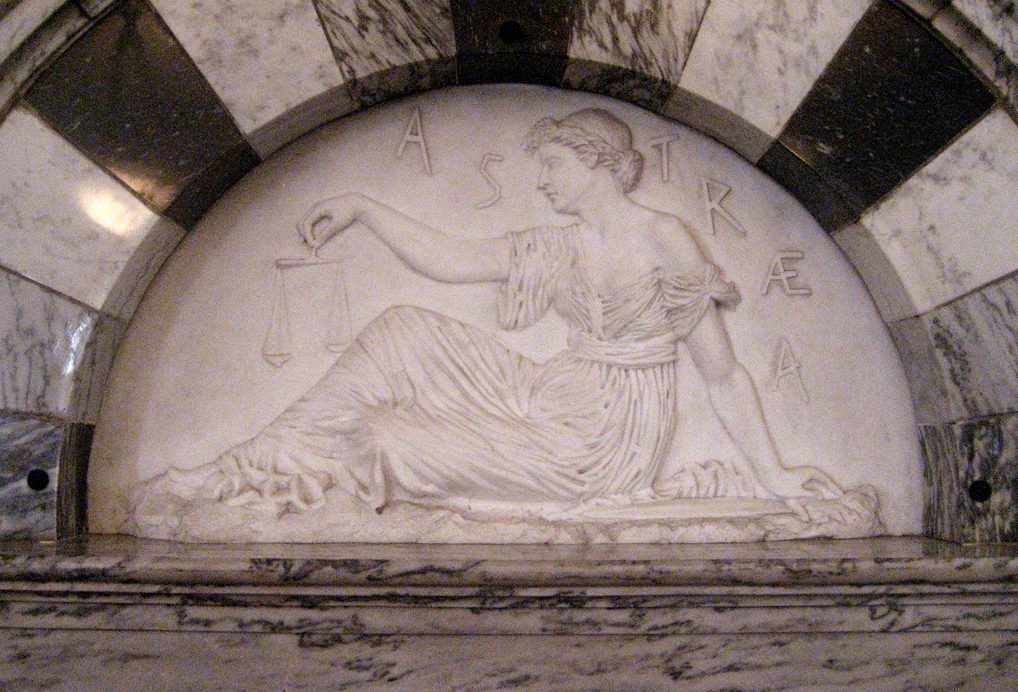
Dike is a significant figure in Greek mythology, representing justice and the moral order of the universe. She is often depicted as a beautiful woman, holding a scale in one hand and a sword in the other. Dike is not just a goddess of justice; she embodies the concept of fairness and the balance between right and wrong. Her presence in myths and stories reflects the ancient Greeks’ understanding of morality and the importance of maintaining balance in society. Dike’s role extends beyond mere judgment; she is a protector of the innocent and a punisher of the wicked.

The Origin of Dike
The origins of Dike can be traced back to the ancient Greek beliefs about the cosmos and the forces that govern human behavior. She is often considered the daughter of Themis, the goddess of divine law and order. Themis represents natural law, while Dike represents the enforcement of that law in human affairs. Together, they symbolize the comprehensive nature of justice in both the divine and mortal realms. Dike’s lineage places her among the powerful deities who ensure that the universe operates according to established laws.
Dike’s name itself is derived from the Greek word for justice, which underscores her role in maintaining order. In various myths, she is portrayed as a companion to Zeus, the king of the gods, highlighting her importance in the pantheon. The Greeks believed that Dike was responsible for ensuring that justice was served and that moral order was upheld. Her presence in the divine hierarchy signifies the value placed on justice in ancient Greek culture.
Dike’s Symbolism
Dike is often associated with several symbols that reflect her role as a goddess of justice. One of the most recognizable symbols is the scale, which represents the weighing of evidence and the balance of fairness in judgment. This imagery emphasizes the idea that justice is not arbitrary; it is based on careful consideration of facts and circumstances. The scales also signify the importance of equality before the law, a principle that resonates even in modern legal systems.
 Dioscuri
Another significant symbol associated with Dike is the sword. The sword represents the enforcement of justice and the idea that wrongdoers will face consequences for their actions. It serves as a reminder that justice is not only about weighing decisions but also about taking action to correct wrongs. Dike’s sword signifies her role as a protector of the innocent and a punisher of those who violate moral codes.
Dike in Mythology
Dike appears in various myths and stories, often serving as a moral compass for both gods and mortals. In many tales, she is depicted as a vigilant figure, observing the actions of humans and intervening when necessary to restore balance. One famous myth involves the story of Lycurgus, a king who defied the gods and was punished for his hubris. Dike intervened in this story, ensuring that justice was served and that the moral order was restored. Her actions highlight the belief that the gods would not tolerate wrongdoing and that justice would ultimately prevail.
 Doris
DorisDike and the Concept of Justice
The concept of justice in ancient Greece was complex and multifaceted, and Dike embodies many of its essential elements. Justice was not merely a legal construct but a fundamental principle that governed human interactions. Dike represents the idea that justice is rooted in morality and ethics, emphasizing the importance of doing what is right. Her character serves as a reminder that justice is not just about punishment but also about fairness and equity.
In ancient Greek society, Dike’s influence extended beyond mythology into the realm of philosophy. Thinkers like Plato and Aristotle discussed the nature of justice and its role in achieving a harmonious society. They explored how justice could be understood through the lens of virtue and moral character, with Dike serving as a symbol of these ideals. The Greeks believed that a just society was one in which individuals acted with integrity and where the rule of law was upheld.
Dike’s Legacy in Modern Culture
The legacy of Dike continues to resonate in modern culture, particularly in discussions about justice and morality. Her symbolism has been adopted in various contexts, including the legal systems of many countries. The scales of justice, often seen in courthouses and legal literature, directly trace their origins back to Dike. This imagery serves as a powerful reminder of the importance of fairness and the pursuit of justice in contemporary society.
Furthermore, Dike’s story has influenced literature, art, and philosophy throughout history. Many artists have depicted her in various forms, capturing her essence as a symbol of justice. In literature, her character has inspired countless narratives exploring the themes of morality, accountability, and the consequences of one’s actions. Dike’s presence in modern discussions about justice highlights the enduring relevance of her character and the principles she represents.
Dike is a vital figure in Greek mythology, embodying the principles of justice, fairness, and moral order. Her origins, symbolism, and presence in mythology reflect the ancient Greeks’ understanding of justice and its importance in society. The legacy of Dike continues to influence modern culture, reminding us of the timeless value of justice in our lives.