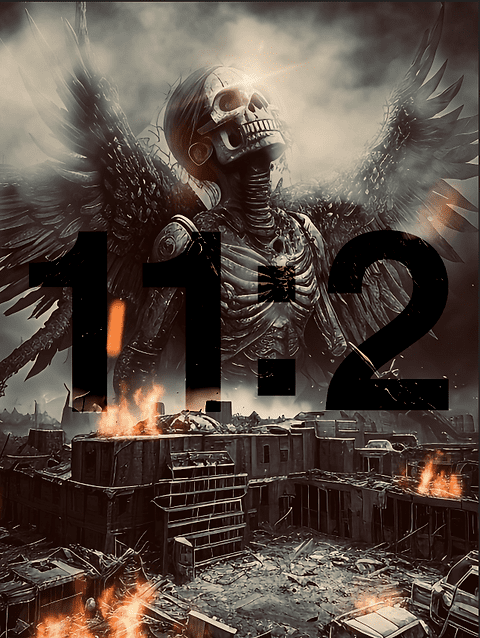
Qemuel is a figure often associated with the realm of fallen angels. In various religious texts and traditions, fallen angels are typically described as beings who were once part of the divine order but chose to rebel against God. Qemuel is one of these intriguing figures, often linked with themes of redemption and forgiveness. The study of fallen angels like Qemuel invites us to explore complex ideas about morality, free will, and the nature of evil.
The Origins of Qemuel
The origins of Qemuel can be traced back to ancient texts, where he is often mentioned alongside other notable fallen angels. In these texts, Qemuel is portrayed as a once-loyal angel who fell from grace due to his desire for knowledge and power. This desire led him to question the divine order, ultimately resulting in his fall. Such narratives emphasize the idea that even the most celestial beings can be swayed by temptation and the allure of forbidden knowledge.
 Rahab
RahabIn many accounts, Qemuel is depicted as a guardian angel who was tasked with protecting humanity. However, his fall serves as a cautionary tale about the dangers of overreaching ambition. His story reflects the age-old struggle between light and darkness, and how easily one can be led astray. The complexities of Qemuel’s character make him a compelling subject for those interested in the deeper meanings behind angelic fall and redemption.
The Role of Qemuel in Religious Texts
Qemuel’s presence in religious texts varies significantly across different traditions. In some texts, he is seen as a symbol of hope, representing the possibility of redemption for those who have strayed from the path of righteousness. His story is often interwoven with themes of forgiveness and restoration, offering a nuanced perspective on the nature of sin and the potential for reconciliation.
 Raum
RaumIn contrast, other interpretations of Qemuel paint him as a more ominous figure, embodying the consequences of defiance against divine authority. In these narratives, he serves as a reminder of the price of rebellion and the inherent dangers of seeking power beyond one’s rightful place. This duality in Qemuel’s portrayal raises important questions about the nature of evil and good, and how easily the lines between them can blur.
Symbolism Associated with Qemuel
Qemuel is often associated with various symbols that reflect his complex nature. One of the most prominent symbols is the broken chain, which represents his severance from the divine order. This imagery serves as a powerful reminder of the consequences of rebellion and the loss of divine protection. The broken chain also signifies the freedom that comes with such a fall, a freedom that can be both liberating and perilous.
Another symbol commonly linked to Qemuel is the darkened star. This symbol reflects his once-bright status as a celestial being and the subsequent loss of his radiance due to his fall. The darkened star serves as a metaphor for lost potential and the tragedy of a being who, despite his fall, still possesses the capacity for greatness and light within him.
 Ronobe
Qemuel and the Concept of Free Will
The story of Qemuel is deeply intertwined with the concept of free will. His fall from grace is often depicted as a result of his choices, highlighting the importance of personal agency in determining one’s fate. This raises profound questions about the nature of choice and consequence. Can beings who possess immense power still fall prey to temptation? The narrative of Qemuel suggests that even the most powerful can make choices that lead to their downfall.
Moreover, Qemuel’s story encourages a reflection on the balance between destiny and autonomy. While some may argue that his fall was predestined, others may see it as a demonstration of the profound impact of individual decisions. This duality in interpretation adds depth to the discussion of free will, suggesting that the ability to choose is both a gift and a burden.
Qemuel in Popular Culture
In modern times, Qemuel has made appearances in various forms of popular culture, including literature, movies, and television shows. These representations often draw on the rich symbolism and themes associated with his character. For instance, in some stories, Qemuel is depicted as a tragic hero who seeks redemption after his fall. This portrayal resonates with audiences who are drawn to narratives of forgiveness and the possibility of change.
Additionally, Qemuel’s character is sometimes used to explore broader themes of morality and humanity. His struggles with temptation and the consequences of his choices mirror the challenges faced by individuals in their own lives. This connection between Qemuel and the human experience makes his story relatable and poignant, allowing audiences to engage with complex ideas in a meaningful way.
Lessons from Qemuel’s Story
The story of Qemuel offers several important lessons that resonate across cultures and time periods. One of the most significant lessons is the idea of redemption. Despite his fall, Qemuel’s narrative suggests that there is always a path back to grace. This message is particularly relevant in today’s world, where many individuals grapple with feelings of guilt and shame. The possibility of redemption serves as a beacon of hope for those seeking to overcome their past mistakes.
Another lesson from Qemuel’s story is the importance of self-awareness. His fall was largely due to his inability to recognize the dangers of his ambition. This serves as a reminder for individuals to remain vigilant about their own desires and motivations. Being aware of one’s weaknesses can help prevent the kind of downfall that Qemuel experienced, emphasizing the need for introspection and growth.
The Impact of Qemuel on Spiritual Beliefs
Qemuel’s influence extends beyond literature and popular culture into the realm of spiritual beliefs. His story has inspired countless individuals to reflect on their own spiritual journeys. Many see him as a cautionary figure, a reminder of the perils of straying from the path of righteousness. This impact on spiritual beliefs underscores the enduring relevance of Qemuel’s narrative in discussions about morality, free will, and the nature of good and evil.
Furthermore, Qemuel’s story invites individuals to explore their own beliefs about divine justice and mercy. The tension between punishment and forgiveness is a central theme in many spiritual traditions, and Qemuel’s fall exemplifies this struggle. His narrative encourages believers to contemplate the complexities of their faith and the ways in which they can embody the principles of compassion and understanding in their own lives.
Qemuel and the Nature of Evil
One of the most compelling aspects of Qemuel’s story is its exploration of the nature of evil. His fall raises important questions about what it means to be evil and whether it is an inherent trait or a result of choices made. Qemuel’s journey illustrates that even beings of great power can succumb to temptation, suggesting that evil can manifest in various forms and is not always easily identifiable.
This exploration of evil is particularly relevant in contemporary discussions about morality. By examining Qemuel’s character, individuals can gain insights into the complexities of human behavior and the factors that contribute to wrongdoing. Understanding that evil can arise from ambition, desire, and the quest for knowledge encourages a more nuanced perspective on morality, urging individuals to consider the motivations behind their actions.
The Duality of Qemuel’s Character
Qemuel embodies a fascinating duality that reflects the complexities of human nature. On one hand, he represents the potential for greatness and the pursuit of knowledge; on the other hand, he also serves as a warning about the dangers of unchecked ambition. This duality makes Qemuel a compelling figure in the study of fallen angels, as it mirrors the internal struggles faced by many individuals.
This duality can also be seen in the way Qemuel is portrayed in various narratives. Some stories highlight his tragic fall, while others focus on his potential for redemption. This multifaceted representation encourages audiences to grapple with the idea that individuals can embody both light and darkness, reflecting the intricate tapestry of human existence. The struggle between these opposing forces is a central theme in many spiritual and philosophical discussions, making Qemuel a significant figure in understanding the complexities of the human condition.
Qemuel in the Context of Other Fallen Angels
When considering Qemuel in the context of other fallen angels, it becomes clear that his story shares similarities and differences with those of his counterparts. For instance, like Lucifer, Qemuel’s fall is often attributed to his desire for power and knowledge. However, while Lucifer is often portrayed as the ultimate embodiment of evil, Qemuel’s narrative allows for a more nuanced interpretation, highlighting the potential for redemption and growth.
Other fallen angels, such as Azazel or Samyaza, also exhibit traits of ambition and rebellion. However, Qemuel’s emphasis on the struggle for knowledge sets him apart. His journey serves as a reminder that the quest for understanding can lead to both enlightenment and peril. This duality in the narratives of fallen angels emphasizes the complexity of their characters and the lessons they impart about the human experience.
The Legacy of Qemuel
Qemuel’s legacy continues to resonate with those who seek to understand the deeper meanings of fallen angels and their impact on human life. His story serves as a rich source of inspiration for writers, artists, and spiritual seekers alike. The themes of forgiveness, redemption, and the struggle between good and evil found in Qemuel’s narrative encourage individuals to reflect on their own journeys and the choices they make.
Moreover, Qemuel’s legacy prompts discussions about the nature of divinity and the complexities of moral choice. His character invites individuals to consider the implications of their actions and the potential for growth and transformation. As such, Qemuel remains a significant figure in the exploration of fallen angels, inspiring ongoing dialogue about the human condition and the quest for understanding.
Qemuel also known as Kemuel was never a fallen Angel, he was the first and only Angel that G-D distroyed, do to his interfferance in a book that G-D sent to Moses. Is no longer exists