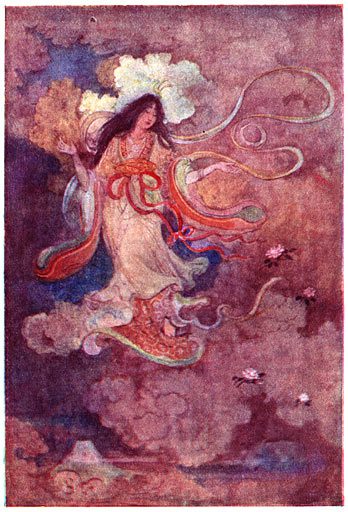
Sengen-sama, also known as Fujisan or the goddess of Mount Fuji, holds a significant place in Japanese mythology and culture. This deity is revered not only as a protector of the sacred mountain but also as a symbol of beauty and power. Mount Fuji, the highest peak in Japan, has long been associated with spirituality and is often considered a national icon. Sengen-sama embodies the spirit of this majestic mountain, and her stories are deeply woven into the fabric of Japanese folklore. Throughout the ages, she has inspired countless artists, poets, and pilgrims who seek her blessings.
The Origins of Sengen-sama
The origins of Sengen-sama can be traced back to ancient Japan, where she was worshipped as a goddess of fire and volcanoes. The indigenous people believed that she had the power to control the volcanic activity of Mount Fuji, which is an active stratovolcano. As such, she was often invoked for protection against eruptions and natural disasters. Her association with the mountain established her as a vital figure in Shinto, the traditional religion of Japan. Over time, her worship spread, and she became known as a goddess who could grant wishes and provide guidance to her followers.
 Sanbai-sama
Sengen-sama is often depicted in various forms, including a beautiful woman adorned with traditional Japanese clothing. Her presence is said to embody the grandeur of Mount Fuji, with flowing hair that resembles the clouds surrounding the peak. In many artistic representations, she is shown holding a sacred mirror or a branch of cherry blossoms, symbolizing purity and the transient nature of life. This imagery highlights her connection to the natural world and the seasonal changes that occur around the mountain.
Legends Surrounding Sengen-sama
Numerous legends surround Sengen-sama, each adding depth to her character and significance. One of the most popular tales tells of her creation of the beautiful mountain itself. According to this legend, Sengen-sama descended from the heavens to shape Mount Fuji. With her divine powers, she molded the earth, crafting the mountain’s perfect symmetry and beauty. This story illustrates her deep connection to the landscape and emphasizes her role as a creator goddess.
Another captivating legend involves a mortal man who sought Sengen-sama’s favor. This man, a humble farmer, prayed for a bountiful harvest. In response to his prayers, Sengen-sama appeared to him in a dream, guiding him to the perfect spot to plant his seeds. The farmer followed her instructions, and as a result, his crops flourished beyond his wildest dreams. This story highlights the goddess’s role as a benevolent figure who cares for her followers and rewards their faith with abundance.
 Samebito
Key Legends of Sengen-sama
- The Creation of Mount Fuji
- The Tale of the Humble Farmer
- The Blessing of the Pilgrims
Sengen-sama in Shinto Practices
Sengen-sama is worshipped in various Shinto shrines located at the base and on the slopes of Mount Fuji. One of the most famous shrines is the Fujisan Hongu Sengen Taisha, which is dedicated to her and serves as a central place of worship. Pilgrims from all over Japan visit this shrine to pay their respects and seek blessings for safe travels, good fortune, and protection from natural disasters. The shrine itself is surrounded by lush forests and offers breathtaking views of the mountain, enhancing the spiritual experience for visitors.
During certain festivals, followers engage in rituals that honor Sengen-sama. These rituals often include offerings of rice, sake, and flowers, as well as prayers and dances that celebrate her divine nature. The festivals are vibrant events that attract both locals and tourists, showcasing traditional music and dance performances that pay homage to the goddess. Participants believe that by honoring Sengen-sama, they can gain her favor and ensure harmony in their lives.
 Ryujin
The Influence of Sengen-sama on Art and Literature
Sengen-sama’s influence extends beyond religion and into the realms of art and literature. Many artists have depicted her in various forms, celebrating her beauty and power. Traditional Japanese paintings often showcase her in serene landscapes, with Mount Fuji as a backdrop. These artworks serve as a reminder of the goddess’s connection to nature and her role as a protector of the land. The stunning visuals not only capture her essence but also inspire a sense of reverence for the natural world.
In literature, Sengen-sama is often mentioned in classical Japanese poetry, where poets express their admiration for her and the beauty of Mount Fuji. Her presence in these works symbolizes the transience of life and the importance of living in harmony with nature. Poets draw parallels between the changing seasons and the goddess’s influence, highlighting the interconnectedness of humanity and the natural world.
Artistic Representations of Sengen-sama
- Traditional Paintings
- Modern Interpretations
- Literary References
Sengen-sama and Modern Culture
In contemporary Japan, Sengen-sama continues to be a prominent figure in popular culture. Her image is often featured in various media, including anime, manga, and video games. Many creators draw inspiration from her legends, incorporating elements of her story into their narratives. This modern representation helps to keep her legacy alive and introduces her to new generations of fans who may not be familiar with traditional Japanese mythology.
Additionally, the annual climbing season for Mount Fuji attracts thousands of hikers who pay homage to Sengen-sama before embarking on their journey. Many climbers stop at shrines along the trails to offer prayers for safe passage and to express gratitude for the opportunity to experience the mountain’s beauty. This practice reflects the enduring reverence for the goddess and her connection to the landscape.
The Role of Sengen-sama in Environmental Conservation
Sengen-sama’s connection to Mount Fuji also brings attention to the importance of environmental conservation. As a goddess who embodies the spirit of the mountain, her worshippers often advocate for the protection of the natural surroundings. Many organizations and community groups work together to promote sustainable tourism and protect the ecosystem around Mount Fuji. They emphasize the need to respect the land, ensuring that future generations can continue to enjoy its beauty.
Through educational programs and initiatives, Sengen-sama’s followers raise awareness about the impact of pollution and climate change on the environment. They encourage visitors to engage in eco-friendly practices, such as reducing waste and respecting wildlife. By fostering a sense of responsibility towards nature, they hope to honor Sengen-sama and her connection to the land.
Conclusion: The Enduring Legacy of Sengen-sama
Sengen-sama remains a beloved figure in Japanese mythology, representing the beauty and power of Mount Fuji. Her stories, rituals, and artistic representations continue to inspire people across generations. As a goddess who embodies the spirit of nature, she serves as a reminder of the importance of living in harmony with the environment. Whether through traditional worship or modern cultural expressions, Sengen-sama’s legacy endures, connecting people to their roots and to the natural world around them.