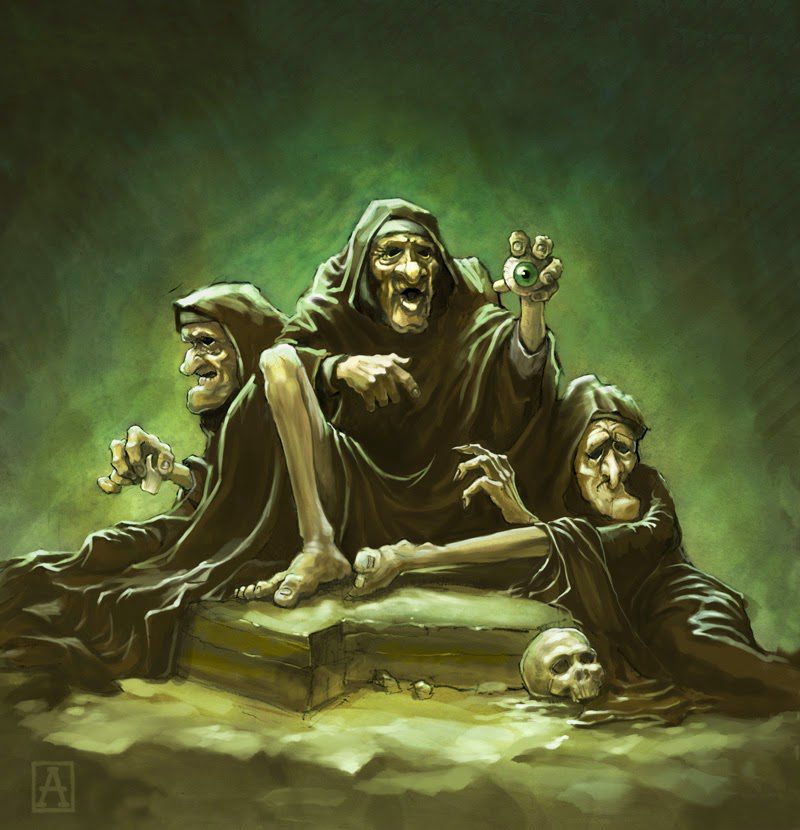
In Greek mythology, Deino is one of the three Gorgons, alongside her sisters Stheno and Medusa. The Gorgons are often depicted as terrifying creatures with snakes for hair, and anyone who looks directly at them turns to stone. Deino, whose name translates to “dread” or “horror,” embodies the fear that her appearance evokes. The Gorgons reside at the edge of the world, in a place shrouded in darkness and mystery. This article delves into the details of Deino’s character, her role in mythology, and the significance of her legacy.
Origins of Deino
Deino’s origins are deeply rooted in ancient Greek culture. According to various myths, she is a daughter of
 Delphyne
The Gorgons were not always depicted as monsters. In earlier myths, they were considered protectors of sacred spaces and symbols of fertility. However, over time, their images transformed into those of fearsome beings. This change reflects society’s evolving views on women and power, with Deino and her sisters representing the fear of female autonomy and strength. Their monstrous forms can be seen as a manifestation of the anxieties that accompany powerful women in a patriarchal society.
Physical Appearance and Attributes
Deino, like her sisters, is described in various ways throughout ancient texts. She is often portrayed with a hideous visage, her hair made up of writhing snakes that hiss and bite. This terrifying appearance serves as a warning to those who dare to approach her. The Gorgons’ eyes are another notable feature; they are said to have the ability to petrify anyone who meets their gaze. This power symbolizes the consequences of confronting fear and the dangers of temptation.
In artistic representations, Deino is typically shown with a fierce expression, emphasizing her role as a guardian of the underworld. Her presence is often accompanied by dark colors and ominous settings, reinforcing her connection to death and the unknown. The snakes in her hair can also be interpreted as a symbol of wisdom and transformation, suggesting that even the most fearsome beings have a deeper significance.
 Pemphredo
Deino’s Role in Greek Mythology
Deino’s primary role in Greek mythology is as a Gorgon, but she also appears in various myths where her presence is crucial to the plot. One of the most famous stories involving the Gorgons is the tale of Perseus. In his quest to slay Medusa, Perseus encounters Deino and her sisters, who attempt to defend their sibling. This myth highlights the themes of bravery and the struggle against overwhelming odds, as Perseus must confront not only Medusa but also the terror that Deino represents.
In the myth of Perseus, Deino and her sisters are depicted as guardians of the realm of the dead. They symbolize the inevitable fate that awaits all mortals. Their terrifying appearance serves as a reminder of the consequences of hubris and the importance of respecting the boundaries between life and death. The Gorgons, particularly Deino, thus embody the tension between humanity and the divine, illustrating the fine line that separates the two.
 Despoena
Symbolism of Deino
The symbolism of Deino extends beyond her physical appearance and mythological role. As a Gorgon, she represents the fear of the unknown and the darker aspects of human nature. Her name, which means “dread,” signifies the emotional response that her presence elicits in others. This fear can be interpreted as a reflection of societal anxieties regarding female power and sexuality, as well as the consequences of defying traditional gender roles.
Moreover, Deino’s connection to the sea and her primordial origins symbolize the chaotic forces of nature. She embodies the duality of beauty and terror, reminding us that nature can be both nurturing and destructive. The Gorgons serve as a warning against the dangers of ignoring these forces, urging humanity to respect the natural world and its mysteries.
Deino in Art and Literature
Throughout history, Deino and her sisters have been depicted in various forms of art and literature. In ancient Greek pottery, they are often portrayed in scenes that emphasize their fearsome nature. Artists used vivid colors and intricate details to capture the terror that the Gorgons inspired. These representations serve as both a warning and a celebration of their power, illustrating the complex relationship between humanity and the divine.
In literature, Deino’s character appears in numerous texts, including the works of Hesiod and Ovid. These authors explore the themes of fear, power, and the consequences of confronting the Gorgons. The stories often highlight the bravery of heroes like Perseus, who must overcome their fears to achieve greatness. Deino’s presence in these narratives serves to amplify the stakes, reminding readers of the ever-present dangers that lurk in the shadows.
Comparative Mythology
Deino’s character can also be compared to similar figures in other mythologies. For instance, in Norse mythology, the figure of Jörmungandr, the Midgard Serpent, shares some similarities with Deino. Both are associated with chaos and destruction, representing the dangers of the natural world. These comparisons highlight the universal themes of fear and power that transcend cultural boundaries, illustrating the shared human experience.
In Egyptian mythology, the goddess Ammit serves a similar role as a guardian of the underworld. Ammit is depicted as a creature that devours the souls of those deemed unworthy, much like the Gorgons who petrify those who dare to confront them. These parallels suggest that cultures worldwide have grappled with the same fears and anxieties regarding mortality and the unknown, leading to the creation of similar mythological figures.
The Legacy of Deino
Deino’s legacy endures in modern culture, where she continues to be referenced in literature, film, and art. The image of the Gorgon has become a powerful symbol of female rage and empowerment. Many contemporary works reinterpret Deino and her sisters as figures of strength rather than mere monsters. This shift in perspective allows for a more nuanced understanding of their character and the societal fears they represent.
In popular media, the Gorgons are often portrayed as complex characters with their own motivations and desires. This evolution reflects a broader cultural shift towards recognizing the power of female figures and challenging traditional gender roles. Deino, as a symbol of fear and dread, is now often seen as a representation of the strength that can arise from embracing one’s darker aspects.
Deino, as a figure in Greek mythology, encapsulates the complexities of fear, power, and femininity. Her character serves as a reminder of the dangers that lurk in the shadows and the importance of respecting the forces of nature. Through her stories and representations, Deino continues to resonate with audiences, offering valuable insights into the human experience. Her legacy, intertwined with that of her sisters, remains a potent symbol of the strength and terror that define our relationship with the unknown.