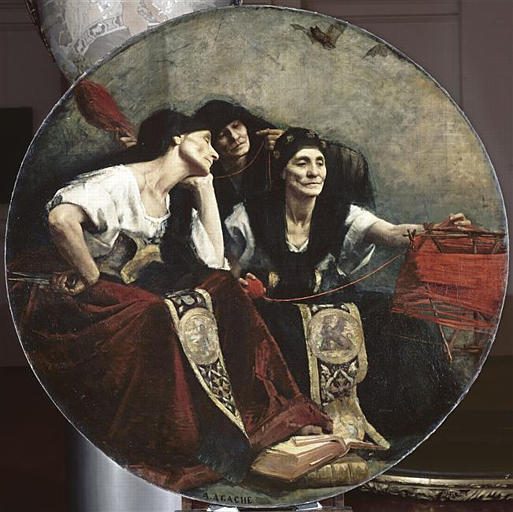
Decima, a significant figure in Roman mythology, represents one of the many deities associated with fate and destiny. In Roman belief, the concept of fate was often personified through various divine entities. Decima is particularly recognized as one of the Parcae, the three goddesses who controlled human destiny. The Parcae were known as the Fates in Greek mythology, and their influence extended over the life and death of every individual. Decima specifically was associated with the moment of birth, determining the fate of a newborn at the very beginning of its life. Understanding Decima’s role offers insight into how the Romans viewed life, fate, and the divine.
Decima and the Parcae
Decima is often depicted alongside her sisters, Nona and Morta. Each of these three goddesses played a unique role in the lifecycle of human beings. While Nona was associated with the gestation period and Morta represented death, Decima was the one who cut the thread of life at birth. This thread metaphorically represented the lifespan of an individual, and Decima’s role was to decide the fate that would unfold throughout that life. The Parcae were revered in ancient Rome, and their worship was an integral part of various rituals and ceremonies aimed at ensuring a favorable destiny.
The Roman understanding of fate was complex and multifaceted. The Parcae were not seen merely as arbiters of destiny but as powerful entities who influenced the course of human events. Decima, as part of this trio, was a reminder that life was fragile and that the beginning of life was just as significant as its end. The Romans believed that Decima had the power to bestow blessings or curses upon an individual at birth, making her a crucial figure in the lives of all Romans.
The Significance of Birth in Roman Culture
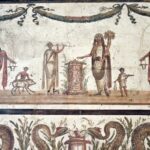
In Roman culture, birth was not merely a personal milestone but a significant event that was celebrated and ritualized. The arrival of a new life was seen as a gift from the gods, and it was believed that Decima played a pivotal role in this divine process. Families often held ceremonies to honor Decima and the other Parcae, seeking their favor for a prosperous life for the newborn. These rituals were deeply embedded in the social fabric of Roman life and reflected the community’s values regarding family, continuity, and the importance of destiny.
 Penates
- Rituals for Newborns: Families would conduct specific rituals to honor Decima and the Parcae, ensuring that the child would have a favorable fate.
- Gifts to the Gods: Offerings were made to the Parcae, including flowers, food, and other items believed to please the goddesses.
- Naming Ceremonies: The naming of a child was often linked to the blessings of Decima, as the chosen name was thought to influence the child’s destiny.
Additionally, the Romans placed great importance on the health and well-being of newborns. Infants were often viewed as vulnerable beings whose lives hung in the balance, subject to the whims of fate. By honoring Decima, families believed they could secure a more favorable outcome for their children. This practice highlights the intertwining of religion and daily life in ancient Rome, showcasing how deeply embedded these beliefs were in their culture.
Decima in Literature and Art
Decima’s presence in Roman literature and art reflects her importance in mythology. While there are fewer direct references to Decima compared to her sisters, she is often mentioned in works discussing fate and destiny. Poets and playwrights would invoke the Parcae, including Decima, to illustrate the themes of inevitability and the divine control over human lives. In these works, Decima is portrayed as a powerful figure, emphasizing the seriousness of her role in the cycle of life.
Artistic representations of Decima and the Parcae often depict them as graceful women, sometimes holding threads or spinning wheels, symbolizing their control over fate. These images serve to remind the viewer of the fragility of life and the ever-present influence of the divine. In many Roman mosaics and sculptures, Decima is depicted alongside her sisters, reinforcing the idea of their collective power over human destiny.
 Diana
DianaDecima’s Influence on Modern Understanding of Fate
The legacy of Decima and the Parcae extends beyond ancient Rome into modern interpretations of fate and destiny. The concepts of birth, life, and death continue to resonate in contemporary discussions about human existence. Decima’s role as a goddess of birth can be seen in various cultures that emphasize the significance of the beginning of life. Many modern belief systems still hold that a person’s fate is influenced by divine forces, echoing the ancient Roman view.
Furthermore, the fascination with fate and free will remains a prominent theme in literature, film, and art. Writers often explore the tension between characters’ desires and the predetermined paths set for them, a theme deeply rooted in the mythology of Decima and her sisters. The Parcae serve as a reminder that while individuals may strive for autonomy, there are larger forces at play that shape their destinies.
Decima in Comparative Mythology
When comparing Decima to her Greek counterpart, Clotho, we see similarities and differences in their representations and roles. Clotho, one of the three Fates in Greek mythology, is responsible for spinning the thread of life, which parallels Decima’s function in determining the fate of a newborn. However, the Greek Fates also include Lachesis, who measures the thread, and Atropos, who cuts it, representing a more detailed division of responsibilities compared to the Roman Parcae.
This comparative analysis illustrates how different cultures interpret the concept of fate. While the Romans focused on the divine influence at the moment of birth, the Greeks explored the broader implications of life, measuring its duration and ultimately ending it. Such variations highlight the richness of mythology and the diverse ways in which societies understand and engage with the themes of life, death, and destiny.
Modern Interpretations of Decima
In contemporary society, Decima’s influence can be observed in various forms of storytelling and popular culture. The archetype of the fate-determining goddess has been embraced in novels, films, and television series, often portraying characters who wield significant power over the lives of others. This modern interpretation can serve as both a tribute to the ancient goddess and a commentary on the ongoing human fascination with fate and control.
- Literature: Many authors draw inspiration from Decima’s character to create narratives that explore the implications of fate and free will.
- Film and Television: Characters embodying aspects of Decima appear in various genres, often as powerful figures influencing the lives of protagonists.
- Art and Design: Modern artists may incorporate symbols associated with Decima and the Parcae into their work, reflecting themes of life and destiny.
Through these interpretations, Decima continues to resonate with audiences, reminding them of the timeless nature of fate and the complexities of human existence. As societies evolve, the narratives surrounding figures like Decima adapt, allowing for a continuous exploration of the themes she embodies.
Decima in Popular Culture
The influence of Decima can also be seen in various aspects of popular culture, where themes of fate and destiny are prevalent. From fantasy novels to superhero films, the idea of characters grappling with their fates resonates with audiences. In many stories, protagonists face challenges that seem predetermined, echoing the Roman belief in the Parcae’s control over human lives.
In video games, the concept of fate often plays a crucial role in character development and storytelling. Players frequently encounter scenarios where their choices impact the outcome of the game, mirroring the tension between free will and destiny that Decima embodies. This interactive experience allows players to engage with the themes of fate in a unique and personal way, reflecting the enduring relevance of these ancient ideas.
Decima’s Legacy in Rituals and Practices
Although the worship of Decima has faded over time, her legacy persists in various rituals and practices that honor the themes of birth and destiny. Many cultures still celebrate the arrival of new life with ceremonies that invoke blessings for the child. These rituals often emphasize the importance of community support and the role of divine forces in shaping a child’s future.
In some cultures, naming ceremonies serve as a modern parallel to the ancient practices associated with Decima. The choice of a name is often imbued with significance, reflecting hopes and aspirations for the child’s future. This practice mirrors the Roman belief that names could influence destiny, showcasing the ongoing relevance of Decima’s influence in contemporary life.
Conclusion: The Enduring Nature of Decima
Decima’s role in Roman mythology serves as a powerful reminder of the ancient understanding of fate and destiny. Her influence can be seen in various aspects of culture, literature, and modern practices, illustrating the timeless nature of these themes. As societies continue to grapple with questions of life, death, and the forces that shape human existence, Decima remains a significant figure, embodying the complexities of fate and the divine.