
Diana is a prominent figure in Roman mythology, revered as the goddess of the hunt, the moon, and nature. She embodies various aspects of the wild and the untamed, symbolizing both freedom and strength. Diana is often depicted with a bow and arrow, emphasizing her role as a skilled huntress. As a lunar goddess, she also represents the night and is associated with various celestial bodies. Her Greek counterpart is Artemis, who shares many of the same attributes and stories. Diana’s significance in Roman culture is profound, and her worship reflects the values and beliefs of the society that venerated her.
Origins of Diana
The origins of Diana can be traced back to early Roman religion and mythology. She was one of the deities who were worshipped before the introduction of Greek mythology. As a goddess of the hunt, her roots are deeply embedded in agrarian societies that relied on hunting for sustenance. Her name is thought to derive from the Latin word “diviana,” which means divine or heavenly. This connection to the divine further establishes her role as a protector of nature and wildlife.
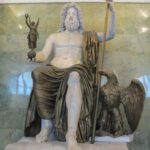 Jupiter
In addition to her hunting attributes, Diana was also connected to the moon. The Romans often associated her with lunar cycles, believing that she had control over the tides and the fertility of the earth. This duality of being both a huntress and a lunar goddess highlights the balance between light and darkness, life and death, and the cycles of nature. Diana’s worship reflects the Romans’ understanding of the world around them, emphasizing the importance of both the hunt and the nurturing aspects of nature.
Diana’s Attributes and Symbols
Diana is often depicted with several symbols that highlight her powers and attributes. One of the most prominent symbols associated with her is the bow and arrow, which represents her prowess as a huntress. The bow signifies precision, skill, and the ability to provide for oneself, while the arrows symbolize the ability to protect and defend. This imagery reinforces her role as a guardian of wildlife and a fierce protector of those who seek her favor.
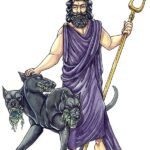 Pluto
PlutoAnother important symbol of Diana is the crescent moon. As a lunar goddess, she is often shown with a crescent moon above her head or as part of her attire. This symbol not only emphasizes her connection to the night but also represents the cyclical nature of life. The moon’s phases reflect the passage of time, fertility, and renewal, all of which are essential themes in Diana’s mythology. The crescent moon serves as a reminder of the balance between light and dark, a theme central to her character.
Diana in Roman Culture
Diana held a significant place in Roman culture, where she was widely worshipped as a protector of the wilderness and a goddess of the hunt. Temples dedicated to her were built in various parts of the Roman Empire, and her festivals were celebrated with great enthusiasm. One of the most notable festivals was the Nemoralia, held in August, which honored her as the goddess of the hunt and nature. During this festival, people would gather by lakes and rivers to offer prayers and sacrifices, seeking her blessings for a bountiful harvest and successful hunting.
The Romans also associated Diana with the idea of virginity and independence. She was often depicted as a strong, independent woman who chose to remain unmarried and free from the constraints of traditional gender roles. This aspect of her character resonated with many women in Roman society, who admired her strength and autonomy. Diana’s virginity symbolized purity and self-sufficiency, making her an important figure for those who valued independence and personal freedom.
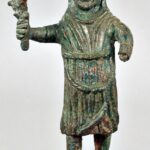 Dis-pater
Diana and Nature
Diana’s connection to nature is one of her most defining characteristics. As the goddess of the hunt, she was believed to have the power to control animals and the natural world. Many myths depict her as a protector of wildlife, ensuring that the balance of nature is maintained. This relationship with nature is not only about hunting but also about understanding the importance of conservation and respect for the environment. Her role as a guardian of the wilderness highlights the Romans’ deep connection to the land and their reliance on natural resources.
In art and literature, Diana is often portrayed in lush, natural settings, surrounded by animals and greenery. This imagery reinforces her identity as a goddess of nature and the wilderness. Her ability to communicate with animals and her role as a protector of the forest emphasize the importance of harmony between humans and nature. The reverence for Diana in Roman culture reflects a broader understanding of the environment and the need to respect and protect the natural world.
Diana’s Myths and Legends
Many myths and legends surround Diana, showcasing her various roles and attributes. One of the most famous stories is the tale of Actaeon, a skilled hunter who accidentally stumbled upon Diana while she was bathing. Enraged by his intrusion, Diana transformed him into a stag, and he was subsequently hunted down and killed by his own dogs. This myth serves as a cautionary tale about respecting the boundaries of nature and the divine. Actaeon’s fate reflects the consequences of violating the sacred spaces of the goddess.
Another notable legend involves the nymph Callisto, who was one of Diana’s followers. After being seduced by Zeus, Callisto became pregnant and was subsequently cast out by Diana. In her grief, Callisto was transformed into a bear, only to be hunted by her own son, Arcas. This tragic story illustrates themes of loyalty, betrayal, and the complexities of relationships between mortals and gods. Diana’s response to Callisto’s plight further emphasizes her role as a protector and a figure of justice.
Diana in Art and Literature
Diana has been a popular subject in art and literature throughout history. Artists have depicted her in various forms, often emphasizing her beauty, strength, and connection to nature. Paintings from the Renaissance period often showcase her in lush landscapes, surrounded by animals, highlighting her role as a goddess of the hunt. These artistic representations capture the essence of her character and her importance in Roman mythology.
In literature, Diana appears in various works, including poetry and prose. She is often portrayed as a symbol of independence and strength, inspiring writers and poets to explore themes of nature, femininity, and the divine. Her presence in literature reflects the enduring legacy of her character and the values she represents. Diana’s influence on art and literature continues to resonate, showcasing the timeless appeal of her mythology.
Modern Interpretations of Diana
In contemporary culture, Diana remains a significant figure, often representing empowerment and independence. Many modern interpretations of her character emphasize her strength and resilience, making her a symbol for women seeking autonomy and freedom. The themes associated with Diana, such as self-sufficiency and a deep connection to nature, resonate with contemporary audiences who value environmentalism and personal empowerment.
Additionally, Diana’s image has been adapted in various forms of media, including films, books, and video games. These adaptations often portray her as a fierce warrior and protector of the natural world, reinforcing her status as a powerful and independent figure. Her character continues to inspire modern narratives, reflecting the ongoing relevance of her mythology in today’s society.
The Legacy of Diana
Diana’s legacy in Roman mythology is profound and enduring. As a goddess of the hunt, the moon, and nature, she represents a complex interplay of power, independence, and the natural world. Her worship and the myths surrounding her highlight the values and beliefs of Roman society, emphasizing the importance of respecting nature and understanding the consequences of one’s actions.
Today, Diana is celebrated not only as a mythological figure but also as a symbol of empowerment and resilience. Her story continues to inspire individuals seeking to connect with nature and assert their independence. The themes associated with Diana remain relevant, making her a timeless figure in both mythology and contemporary culture. Her legacy lives on through art, literature, and the ongoing appreciation for the values she represents.