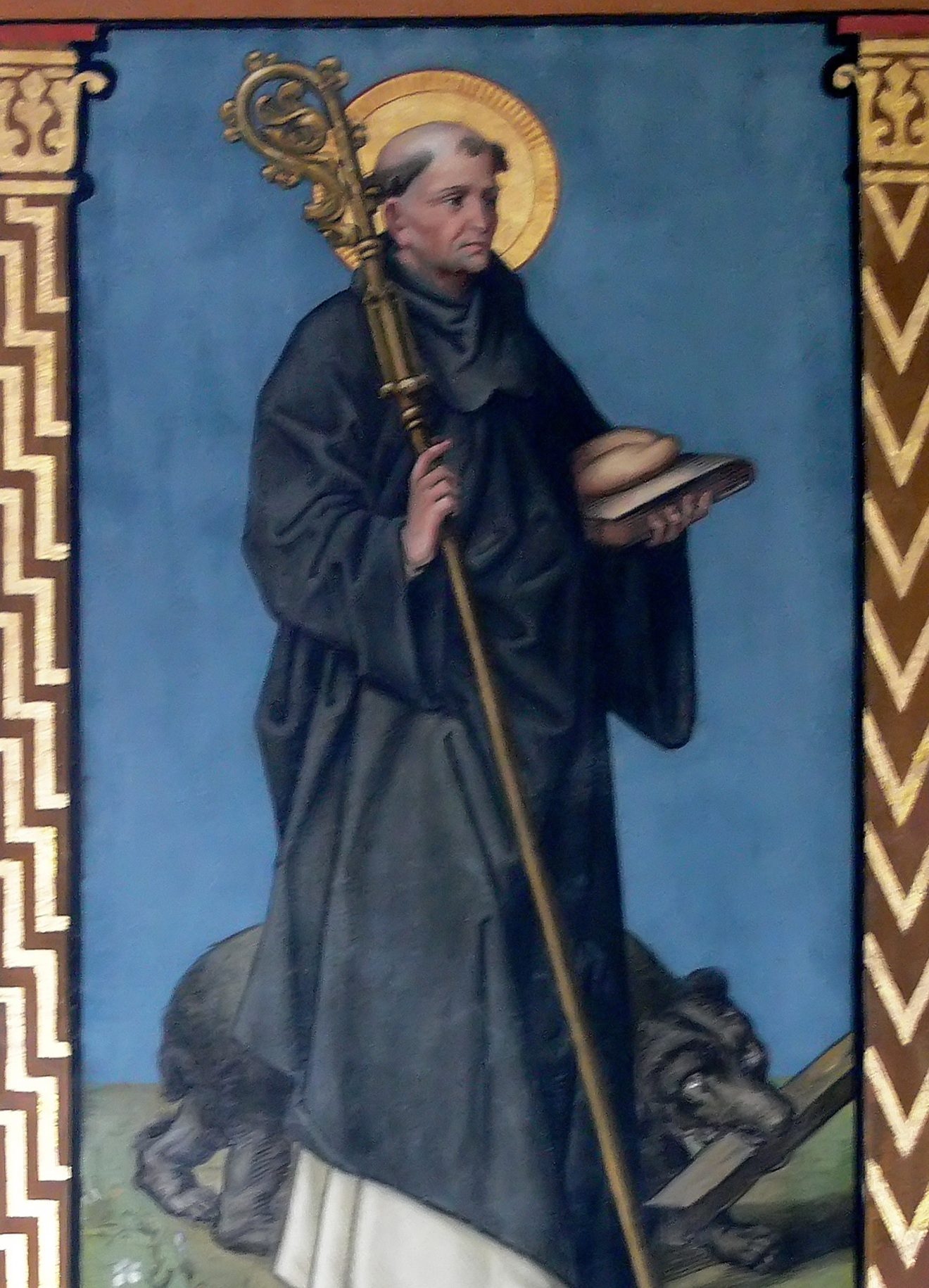
St. Gall, also known as Saint Gall, is a significant figure in Christian mythology and history. He was a missionary and one of the founders of the Abbey of St. Gall, located in present-day Switzerland. His life and works have inspired many, and he is celebrated for his contributions to the spread of Christianity in the region. The story of St. Gall is not only about his religious achievements but also about his interactions with various cultures and his impact on the development of monasticism in Europe. Through his dedication and efforts, he played a crucial role in the Christianization of the area.
The Life of St. Gall
St. Gall was born around the year 550 in what is now Ireland. He was one of the many early saints who left their homeland to spread the teachings of Christianity. His journey began as he joined the monastic community at Bangor Abbey, which was known for its strict discipline and commitment to learning. This environment helped shape his spiritual development and provided him with the knowledge and skills necessary for his future mission. St. Gall’s early life was marked by a deep commitment to prayer and study, which would guide him throughout his life.
After spending many years at Bangor, St. Gall decided to embark on a missionary journey across Europe. He traveled to Gaul (modern-day France), where he met other influential figures, including St. Columbanus. Together, they worked to establish monastic communities and spread Christianity among the pagan tribes. St. Gall’s dedication to his mission was unwavering, and he faced numerous challenges along the way. His journey was not just about spreading religious teachings; it was also about cultural exchange and building bridges between different communities.
The Missionary Work of St. Gall
St. Gall’s missionary work took him to various regions, where he encountered different cultures and traditions. He settled in what is now Switzerland, where he established a monastic community near Lake Constance. This community would later become known as the Abbey of St. Gall, which became one of the most important centers of learning and culture in the early Middle Ages. St. Gall’s influence extended beyond his immediate surroundings, as his teachings and practices inspired many others to join the monastic life.
 St. Fulgentius Of Ruspe
- Establishment of monastic communities
- Promotion of education and literacy
- Cultural exchange with local populations
One of the remarkable aspects of St. Gall’s missionary work was his ability to adapt to local customs and traditions. He understood that to effectively spread Christianity, he needed to engage with the people and their beliefs. This approach not only helped him gain acceptance but also facilitated the integration of Christian teachings into the existing cultural framework. As a result, many people were drawn to his message, and his community began to flourish.
The Abbey of St. Gall
The Abbey of St. Gall became a vital center for monastic life and learning. Founded in the early 8th century, it attracted monks from various regions who were eager to study and practice their faith. The abbey was known for its extensive library, which housed numerous manuscripts and texts that were crucial for the preservation of knowledge during the Middle Ages. The Abbey of St. Gall was not only a religious institution but also a cultural hub that contributed to the intellectual life of Europe.
One of the significant achievements of the Abbey was its role in the development of the Gregorian Chant, a form of plainchant that became central to Christian liturgy. The monks at the abbey dedicated themselves to the study and performance of this music, which enhanced the spiritual experience of the liturgy. The influence of the Abbey of St. Gall extended beyond its walls, as its musical traditions spread to other monastic communities throughout Europe.
 St. Fulbert Of Chartres
Education and Manuscript Production
The Abbey of St. Gall was renowned for its commitment to education and scholarship. The monks engaged in the transcription and preservation of texts, ensuring that important works from antiquity were not lost to time. This dedication to manuscript production made the abbey a key player in the Carolingian Renaissance, a period marked by a revival of learning and culture in Europe. The library at the abbey became one of the richest collections of texts in the region, attracting scholars and students from far and wide.
- Transcription of classical texts
- Development of educational programs
- Collaboration with other monastic communities
The monks at the Abbey of St. Gall also produced illuminated manuscripts, which were beautifully decorated with intricate designs and illustrations. These works of art not only served a religious purpose but also showcased the artistic talent of the monks. The tradition of manuscript illumination at the abbey had a lasting impact on the art and culture of the time, influencing other centers of learning and creativity across Europe.
The Legacy of St. Gall
St. Gall’s legacy is profound and enduring. He is venerated as a saint in both the Roman Catholic Church and the Eastern Orthodox Church, with his feast day celebrated on October 16. His contributions to the spread of Christianity and the establishment of monasticism have left an indelible mark on European history. St. Gall’s influence can still be felt today, as many communities continue to honor his teachings and the traditions that stemmed from his work.
The Abbey of St. Gall remains an important site for pilgrimage and study. It has been recognized as a UNESCO World Heritage Site, reflecting its historical and cultural significance. Visitors from around the world come to admire its architectural beauty and to learn about its rich history. The abbey stands as a testament to the enduring impact of St. Gall and the monastic tradition he helped to establish.
Modern Interpretations and Celebrations
In modern times, St. Gall’s life and work have been the subject of various interpretations and celebrations. Many communities hold events and festivals in his honor, celebrating his contributions to faith and culture. These celebrations often include processions, liturgical services, and educational programs that highlight the importance of his legacy. St. Gall’s story continues to inspire people to engage with their faith and to appreciate the rich tapestry of history that shapes their beliefs.
- Annual festivals and processions
- Educational programs about his life
- Artistic representations in various media
Additionally, scholars and historians continue to study St. Gall’s impact on monasticism and the development of Christianity in Europe. His methods of evangelization and cultural engagement provide valuable insights into the challenges and successes of early missionaries. The lessons learned from his life remain relevant, as they encourage contemporary Christians to approach their faith with openness and a spirit of service.
St. Gall in Christian Art and Literature
The figure of St. Gall has been depicted in various forms of Christian art and literature throughout the centuries. Artists have created paintings, sculptures, and stained glass windows that capture his essence and contributions. These works serve as a visual representation of his life and mission, inspiring viewers to reflect on his legacy. St. Gall in art often symbolizes dedication, faith, and the transformative power of spirituality.
In literature, St. Gall’s life has been chronicled in hagiographies, which are biographies of saints. These texts provide insights into his character, his struggles, and his achievements. They also serve to inspire future generations by illustrating the virtues of faith, perseverance, and compassion. Literary works about St. Gall often emphasize his role as a bridge between cultures and his commitment to serving others.
Artistic Representations of St. Gall
Many artists have chosen to portray St. Gall in ways that highlight his missionary work and monastic life. For instance, paintings often depict him in the act of preaching or engaging with local communities. These representations serve to communicate his dedication to spreading the Christian faith and his ability to connect with diverse populations. Artistic depictions of St. Gall also reflect the values of humility and service that he embodied.
- Paintings showcasing his missionary journeys
- Sculptures representing his role as a saint
- Stained glass windows illustrating key moments in his life
Through these artistic expressions, the story of St. Gall continues to resonate with people today. His life serves as a reminder of the importance of faith, education, and cultural exchange. As communities celebrate his legacy through art and literature, they also reaffirm their commitment to the values he represented.
Conclusion: The Enduring Impact of St. Gall
St. Gall’s life and work have left an indelible mark on the history of Christianity and the development of monasticism in Europe. His commitment to spreading the Christian faith, promoting education, and fostering cultural exchange has inspired countless individuals and communities. The Abbey of St. Gall stands as a testament to his legacy, continuing to serve as a center of learning and spirituality. As we reflect on the life of St. Gall, we are reminded of the power of faith to transform lives and communities.