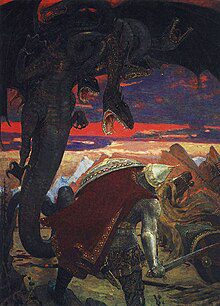
Zmey Gorynich is a fascinating figure in Slavic mythology. This mythical creature is often depicted as a multi-headed dragon or serpent, and it plays a significant role in various folk tales and legends throughout Eastern Europe. The name Zmey Gorynich translates roughly to “dragon of the mountains,” which hints at its formidable nature and association with the natural world. In many stories, Zmey Gorynich is portrayed as a fearsome adversary to heroes, embodying chaos and destruction while simultaneously representing challenges that must be overcome. The tales of Zmey Gorynich are rich with symbolism and cultural significance, reflecting the values and beliefs of the Slavic people.
The Origins of Zmey Gorynich
The origins of Zmey Gorynich can be traced back to ancient Slavic folklore. These stories were passed down through generations, often through oral traditions, before being documented in written form. Zmey Gorynich is often depicted as a creature with three heads, although some tales describe it with even more heads, each capable of breathing fire. This imagery is significant, as it represents the destructive power of nature and the challenges that heroes must face. The concept of a multi-headed dragon is not unique to Slavic mythology; similar creatures appear in various cultures around the world, suggesting a shared human fascination with dragons and their symbolism.
 Semargl
In Slavic tales, Zmey Gorynich often resides in high mountains or dark forests, places that are both majestic and terrifying. This setting reflects the duality of nature itself, as it can be beautiful yet deadly. The dragon is frequently depicted as guarding a treasure or a captive princess, representing the idea that great rewards often come with great risks. This aspect of the myth highlights the theme of heroism and the journey that individuals must undertake to achieve their goals. Heroes who confront Zmey Gorynich are often portrayed as brave and noble, willing to face danger for the sake of others.
Characteristics of Zmey Gorynich
Zmey Gorynich is characterized by its imposing size and fearsome appearance. The dragon is often described with scales that shimmer like jewels and eyes that burn with a fierce intensity. Its multi-headed form allows it to attack from multiple angles, making it a formidable opponent in battle. Each head is said to have its own personality, contributing to the creature’s complexity. This multi-faceted nature can symbolize the various challenges and obstacles that one must confront in life, making Zmey Gorynich not just a monster, but a representation of the struggles we face.
In addition to its physical characteristics, Zmey Gorynich is often imbued with magical powers. These powers can include the ability to breathe fire, summon storms, or even control other creatures. This aspect of the dragon highlights the connection between mythology and the natural world, as many cultures have attributed supernatural abilities to powerful beings. The magical elements of Zmey Gorynich serve to elevate the dragon beyond a mere beast, making it a significant figure in the realm of mythology and folklore.
 Rusalki
Role in Slavic Folklore
Zmey Gorynich plays a critical role in many Slavic folk tales. It often serves as an antagonist, challenging heroes and testing their strength and resolve. In these stories, the hero typically embarks on a quest to defeat the dragon, facing numerous trials along the way. This journey often symbolizes the transition from youth to maturity, as the hero must confront their fears and prove their worth. The battle with Zmey Gorynich represents the struggle between good and evil, with the hero embodying virtues such as courage, honor, and determination.
One of the most famous tales involving Zmey Gorynich is the story of Dobrynya Nikitich, a legendary hero who is often depicted as a brave warrior. In this tale, Dobrynya must confront the dragon to rescue a captured princess. The narrative emphasizes the hero’s valor and the importance of bravery in overcoming formidable foes. The eventual victory over Zmey Gorynich is not only a triumph of physical strength but also a testament to the hero’s moral character. This recurring theme in Slavic folklore highlights the cultural significance of heroism and the challenges faced in the pursuit of justice and honor.
Symbolism of Zmey Gorynich
The symbolism of Zmey Gorynich is multifaceted, reflecting various aspects of Slavic culture and beliefs. One of the primary symbols associated with the dragon is that of chaos and destruction. Zmey Gorynich embodies the darker elements of nature, representing the dangers that exist in the world. This chaos is often juxtaposed with the order represented by the hero, creating a dynamic tension between opposing forces. The battle between Zmey Gorynich and the hero can be seen as a metaphor for the struggle between chaos and order, a theme that resonates deeply in many cultures.
 Rugievit
Furthermore, Zmey Gorynich can symbolize the challenges that individuals face in their lives. The dragon represents obstacles that must be confronted and overcome in order to achieve personal growth and success. This idea is particularly relevant in the context of coming-of-age stories, where young heroes must face trials that test their character and abilities. The journey to defeat Zmey Gorynich reflects the universal experience of facing fears and emerging stronger on the other side, making the myth relevant to audiences across generations.
Modern Interpretations of Zmey Gorynich
In contemporary culture, Zmey Gorynich continues to capture the imagination of artists, writers, and filmmakers. Modern interpretations of the dragon often draw on the rich tapestry of Slavic folklore while infusing it with new ideas and themes. This evolution reflects the ongoing relevance of Zmey Gorynich in exploring complex issues such as identity, power, and the nature of good and evil. Many modern adaptations choose to humanize the dragon, presenting it as a misunderstood creature rather than a purely malevolent force.
In literature and film, Zmey Gorynich is sometimes portrayed as a tragic figure, highlighting the complexities of its character. This reinterpretation allows for a deeper exploration of themes such as redemption and the consequences of one’s actions. By presenting Zmey Gorynich in a more nuanced light, creators can engage audiences in discussions about morality and the nature of evil. This modern approach to the dragon reflects a broader trend in storytelling, where traditional archetypes are reexamined and redefined to resonate with contemporary values and concerns.
Zmey Gorynich in Popular Culture
The influence of Zmey Gorynich can be seen in various forms of popular culture, including video games, animated films, and literature. Many video games incorporate elements of Slavic mythology, featuring Zmey Gorynich as a formidable boss character or a legendary beast that players must confront. These portrayals often emphasize the dragon’s fearsome abilities and the challenges players face in defeating it. This engagement with Slavic mythology helps to introduce new audiences to the rich tapestry of these ancient stories, fostering a greater appreciation for cultural heritage.
In animated films, Zmey Gorynich is often depicted in visually stunning ways, showcasing its multi-headed form and magical powers. These adaptations often blend traditional storytelling with modern animation techniques, bringing the dragon to life in ways that captivate audiences of all ages. By incorporating Zmey Gorynich into popular media, creators not only honor the cultural significance of this mythical figure but also ensure its relevance in contemporary storytelling. This ongoing engagement with Zmey Gorynich reflects the enduring power of mythology to inspire and entertain.
The Impact of Zmey Gorynich on Slavic Identity
Zmey Gorynich holds a significant place in the cultural identity of Slavic peoples. The dragon serves as a symbol of national pride and cultural heritage, representing the rich folklore that has been passed down through generations. In many Slavic countries, tales of Zmey Gorynich are celebrated and retold, reinforcing a sense of shared history and identity. The dragon’s association with heroism and the struggle against evil resonates deeply within these cultures, making it a powerful emblem of resilience and courage.
The stories surrounding Zmey Gorynich also play a role in shaping collective memory and identity. By engaging with these myths, communities can explore their values, beliefs, and the challenges they face. The dragon becomes a focal point for discussions about morality, bravery, and the human experience. In this way, Zmey Gorynich transcends its role as a mere mythical creature, becoming a vital part of the cultural fabric that binds Slavic communities together.
The Legacy of Zmey Gorynich
The legacy of Zmey Gorynich continues to thrive in various forms of art and storytelling. As a central figure in Slavic mythology, the dragon has inspired countless artists, writers, and performers to explore its themes and symbolism. This ongoing fascination with Zmey Gorynich speaks to the power of mythology to transcend time and cultural boundaries. The stories of the dragon remain relevant today, inviting new generations to engage with the rich traditions of Slavic folklore.
Zmey Gorynich stands as a testament to the enduring power of myth and its ability to shape cultural identity. The dragon’s multifaceted nature, its role as a formidable antagonist, and its symbolism of chaos and heroism continue to resonate with audiences around the world. As we explore the tales of Zmey Gorynich, we are reminded of the universal themes that connect us all, transcending the boundaries of culture and time. The legacy of Zmey Gorynich will undoubtedly continue to inspire and captivate for years to come.