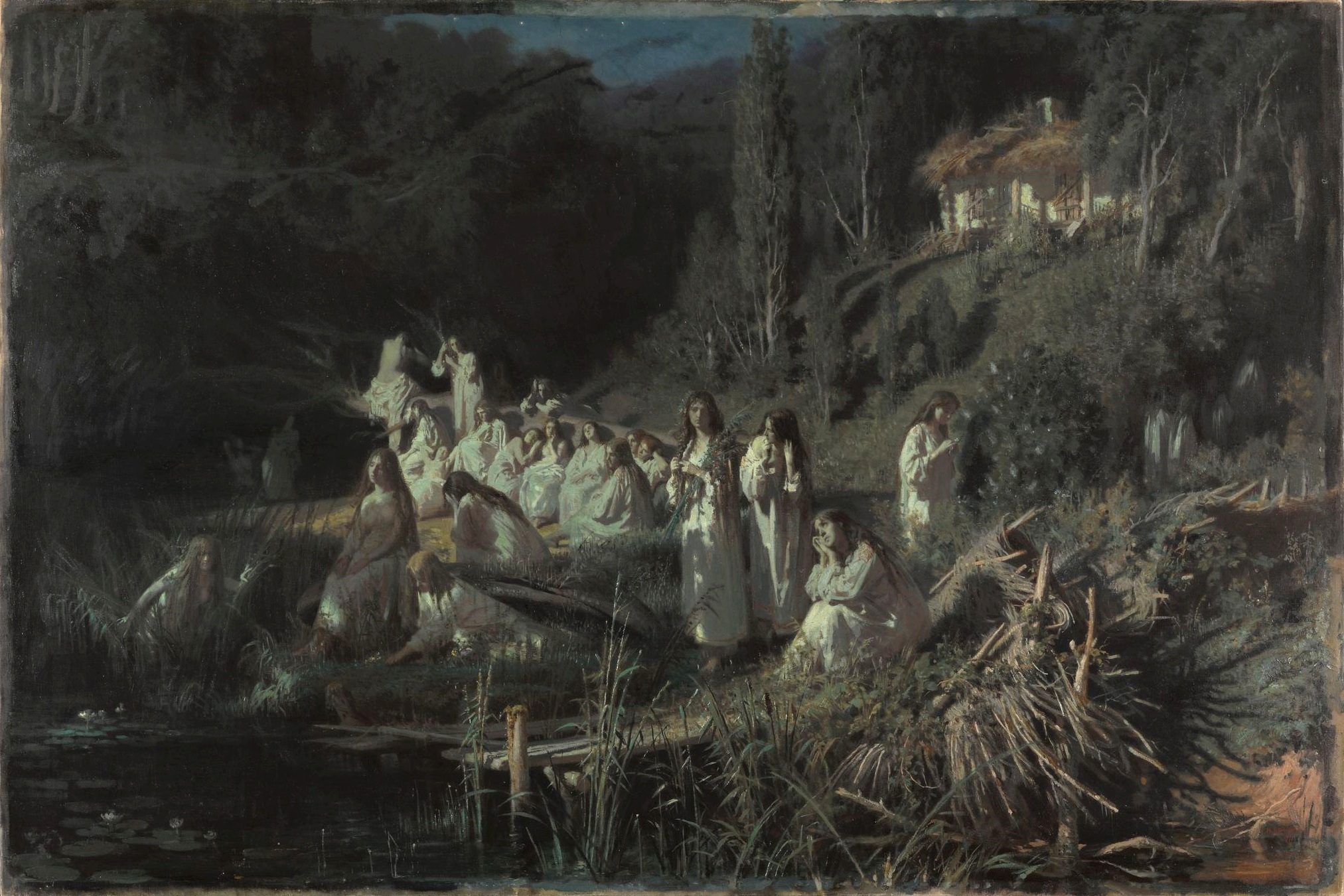
In the realm of Slavic mythology, few figures are as captivating and enigmatic as the Rusalki. These beings, often associated with water and nature, have a rich history that spans various cultures and regions within Eastern Europe. The Rusalki are commonly depicted as beautiful young women with long hair, often adorned with flowers or aquatic elements. Their stories are woven into the fabric of folklore, illustrating the complex relationship between humans and the natural world. This article will explore the origins, characteristics, and cultural significance of Rusalki in Slavic mythology.
Origins of the Rusalki
The origins of Rusalki can be traced back to ancient Slavic beliefs and practices. They are often thought to be the spirits of young women who died tragically, particularly those who perished by drowning or were victims of unfulfilled love. In many tales, these women are said to have been betrayed or abandoned, leading to their untimely deaths. As a result, their spirits linger in the waters, transforming into Rusalki, seeking solace and revenge. This transformation highlights the theme of loss and longing that permeates many Slavic myths.
 Rugievit
In addition to their tragic origins, Rusalki are also linked to the cycles of nature, particularly the fertility of the earth and the rejuvenation of spring. In some stories, they are seen as guardians of the rivers and lakes, embodying the life-giving properties of water. This duality—being both vengeful spirits and nurturing figures—reflects the Slavic understanding of nature as a force that is both beautiful and dangerous. The Rusalki’s connection to water symbolizes the fluidity of life and the inevitability of change.
Characteristics of Rusalki
Rusalki are often portrayed as alluring and ethereal beings, with their beauty serving as both a charm and a warning. They are typically described as having long, flowing hair, often green or decorated with flowers, symbolizing their connection to nature. Their skin is sometimes depicted as pale, further enhancing their otherworldly appearance. However, beneath this enchanting exterior lies a darker side. In many tales, Rusalki are known to lure unsuspecting men to their deaths, using their beauty and enchanting voices to seduce them into the water.
 Rod
RodDespite their dangerous tendencies, Rusalki are also associated with playfulness and mischief. They are known to frolic in the water, singing and dancing, often accompanied by the sounds of nature. Their laughter and music can be both inviting and eerie, creating an atmosphere of enchantment and foreboding. This duality in their character makes them complex figures within Slavic folklore, embodying the beauty of nature while also representing its potential for destruction.
Physical Appearance
- Long Hair: Often depicted as flowing and adorned with flowers.
- Pale Skin: Reflecting their ethereal nature.
- Beautiful Features: Known for their captivating beauty that lures men.
Behavior and Personality
- Mischievous: They enjoy playing tricks on humans.
- Vengeful: Known to seek revenge on those who wronged them.
- Playful: Often depicted as dancing and singing by the water.
Cultural Significance
The Rusalki hold a significant place in Slavic culture, often serving as symbols of feminine power and the complexities of womanhood. Their stories reflect societal attitudes towards women, love, and the consequences of betrayal. In many ways, the Rusalki embody the struggles and desires of women in a patriarchal society, illustrating the need for autonomy and the repercussions of unfulfilled dreams. Their tragic origins resonate with the experiences of women who have faced hardship, making them relatable figures in folklore.
Moreover, the Rusalki are often celebrated in various cultural rituals and festivals. One of the most notable is the Rusalka Week, a time dedicated to honoring these water spirits. During this week, people would often engage in rituals to appease the Rusalki, such as offering flowers or performing dances by the water. These practices highlight the importance of maintaining a harmonious relationship with nature and respecting its forces. The Rusalki serve as a reminder of the delicate balance between humanity and the natural world.
 Radigast
Rusalki in Literature and Art
The influence of Rusalki extends beyond oral traditions and folklore, permeating various forms of literature and art. Many authors and artists have drawn inspiration from these mystical beings, exploring their themes of love, loss, and nature. In literature, Rusalki often appear as tragic heroines, embodying the struggles of women who are misunderstood or mistreated. Their stories are often woven into larger narratives, highlighting the intersection of human emotions and the natural world.
In visual art, Rusalki are frequently depicted in serene landscapes, surrounded by water and flora. Artists capture their ethereal beauty and the haunting quality of their presence. These representations often evoke a sense of mystery and intrigue, inviting viewers to ponder the deeper meanings behind the Rusalki’s existence. Through these artistic expressions, the Rusalki continue to resonate with audiences, serving as powerful symbols of nature’s beauty and its inherent dangers.
Modern Interpretations of Rusalki
In contemporary culture, the figure of the Rusalki has evolved, finding new expressions in literature, film, and other media. Modern interpretations often emphasize the themes of empowerment and autonomy, presenting Rusalki as symbols of resistance against societal constraints. These interpretations reflect a growing recognition of women’s voices and experiences, allowing for a more nuanced understanding of the Rusalki’s character.
Additionally, the Rusalki have become popular figures in fantasy literature and films, often portrayed as magical beings with the ability to shape-shift or wield powers related to water. These modern depictions retain elements of their traditional lore while also exploring new narratives that resonate with contemporary audiences. By reimagining the Rusalki in this way, creators are able to connect with themes of identity, freedom, and the complexities of human emotions.
As we delve deeper into the world of Rusalki, we uncover a rich tapestry of stories and meanings that continue to captivate and inspire. From their tragic origins to their roles as symbols of nature and femininity, the Rusalki are complex figures that embody the intricacies of human emotions and the natural world. Their legacy in Slavic mythology serves as a reminder of the enduring power of folklore and the importance of understanding the cultural significance of these enchanting beings.