
Baal is a prominent deity in Canaanite mythology, revered as a god of storms, fertility, and agriculture. His name translates to “lord” or “master,” and he is often depicted as a powerful figure who controls the elements, particularly rain and thunder. Baal’s significance in Canaanite culture cannot be overstated, as he was central to their agricultural practices and rituals. The worship of Baal was widespread across ancient Near Eastern societies, influencing various cultures and religions over time. His stories, depicted in ancient texts and inscriptions, highlight his dual nature as both a nurturing and destructive force.

The Origins of Baal
The origins of Baal can be traced back to the ancient Near East, particularly in the region that is now modern-day Lebanon and Israel. The Canaanites, who inhabited this area, viewed Baal as a vital figure in their pantheon of gods. His worship is believed to have begun around the 3rd millennium BCE, during a time when agricultural societies relied heavily on seasonal rains for their crops. The name Baal appears in various ancient texts, including the famous Ugaritic texts discovered in the ancient city of Ugarit, which provide valuable insights into his character and myths.
Baal is often associated with the ancient storm god Hadad, who shares similar attributes. This connection suggests that Baal may have absorbed characteristics from other deities in the region as cultures interacted and merged over time. As a result, Baal’s portrayal evolved, making him a multifaceted god who represented various aspects of life, including fertility, warfare, and the changing seasons. His stories reflect the struggles and triumphs of nature, making him a relatable figure for the Canaanite people.
Baal in Ugaritic Texts
The Ugaritic texts, dating back to around the 14th century BCE, are a rich source of information about Baal and his significance in Canaanite mythology. These texts, written in the Ugaritic language, include myths, rituals, and hymns dedicated to Baal. One of the most famous myths is the Baal Cycle, which narrates Baal’s battle against the sea god Yamm and his subsequent rise to power. This epic tale illustrates Baal’s strength and dominance, reinforcing his status as a major deity in the Canaanite pantheon.
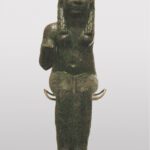 Astarte
In the Baal Cycle, Baal defeats Yamm, who represents chaos and the untamed forces of nature. This victory is not only a testament to Baal’s power but also symbolizes the establishment of order and fertility in the world. After defeating Yamm, Baal builds a magnificent palace on Mount Zaphon, further emphasizing his authority and importance. The texts also highlight Baal’s relationship with other gods, including his sister Anat, a fierce warrior goddess, who assists him in his battles and symbolizes the protective aspect of motherhood.
Key Themes in the Baal Cycle
- Conflict and Victory: Baal’s battles against other gods signify the struggle between order and chaos.
- Fertility and Agriculture: Baal’s triumphs are closely tied to the fertility of the land, emphasizing his role in agriculture.
- Divine Relationships: The interactions between Baal and other deities highlight the interconnectedness of the Canaanite pantheon.
The Baal Cycle is not just a tale of conflict; it also serves as a ritualistic narrative that the Canaanites would reenact to ensure the fertility of their land. By invoking Baal’s name and recounting his stories, they believed they could influence the natural world and secure favorable weather for their crops. This aspect of the myth illustrates the deep connection between religion and agriculture in ancient Canaanite society.
The Symbolism of Baal
Baal is often depicted with various symbols that represent his attributes and powers. One of the most common symbols associated with him is the bull, which signifies strength, fertility, and virility. The bull is a powerful creature that embodies the life force of the land, making it a fitting representation of Baal’s role as a fertility god. In many ancient Near Eastern cultures, bulls were revered and often sacrificed in religious rituals, further emphasizing their connection to divinity.
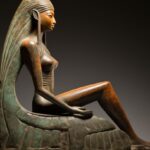 Ashima
Another significant symbol of Baal is the thunderbolt, which represents his control over storms and weather. As a storm god, Baal’s ability to summon rain and thunder was crucial for the survival of agricultural societies. The thunderbolt not only signifies his power but also serves as a reminder of the unpredictable nature of the elements. This duality of Baal as both a nurturing and destructive force is a recurring theme in Canaanite mythology.
Iconography of Baal
- Statues and Altars: Baal was often worshiped through statues and altars, which were adorned with offerings.
- Mythological Scenes: Artistic depictions of Baal’s battles and triumphs were common in ancient art.
- Festivals: Seasonal festivals were held in honor of Baal, celebrating his role in agriculture.
In addition to these symbols, Baal’s iconography often includes imagery of nature, such as plants and animals, reflecting his connection to the earth and its cycles. The Canaanites recognized the importance of Baal in their daily lives, and his image was prevalent in their art and religious practices. The rituals performed in his honor often involved music, dance, and offerings, creating a vibrant cultural atmosphere centered around his worship.
Baal’s Worship and Cult Practices
The worship of Baal was an integral part of Canaanite society, with numerous rituals and festivals dedicated to him throughout the year. These practices were essential for ensuring agricultural fertility and favorable weather conditions. The Canaanites believed that by honoring Baal, they could secure his blessings and protection over their crops and livestock. Rituals often included offerings of food, animals, and other valuable items, which were presented at altars dedicated to Baal.
One of the most significant festivals in Baal’s honor was the Baal Festival, celebrated during the planting season. This festival involved communal gatherings, feasting, and rituals aimed at invoking Baal’s favor. Participants would engage in prayers and chants, calling upon Baal to bless their fields with rain and fertility. The festival also served as a social event, strengthening community bonds and reinforcing shared beliefs in the power of their deity.
Elements of Baal Worship
- Offerings: Food and animals were sacrificed to Baal to gain his favor.
- Rituals: Ceremonies involved music, dance, and prayers to invoke Baal’s blessings.
- Temples: Shrines and temples dedicated to Baal were built in various locations, serving as centers of worship.
The presence of temples dedicated to Baal across the Canaanite landscape further illustrates his importance. These temples served as focal points for the community, where people would gather to worship and participate in rituals. The priests and priestesses who officiated these ceremonies played a crucial role in maintaining the connection between the people and their deity. They were responsible for interpreting Baal’s will and ensuring that the rituals were performed correctly to appease him.
Baal’s Influence on Other Cultures
The worship of Baal extended beyond the Canaanites, influencing neighboring cultures and religions. As trade routes and migrations facilitated cultural exchange, Baal’s characteristics and stories were adopted and adapted by other societies. For instance, the Phoenicians, who were descendants of the Canaanites, continued to venerate Baal and incorporated him into their own religious practices. The city of Tyre became a significant center for Baal worship, where elaborate temples were constructed in his honor.
Additionally, Baal’s influence can be seen in the religious practices of the ancient Israelites. The Hebrew Bible contains numerous references to Baal, often portraying him as a rival to the God of Israel. The Israelites struggled with the temptation to worship Baal, leading to conflicts between the two belief systems. These tensions are evident in various biblical narratives, where prophets like Elijah confront the worshipers of Baal, emphasizing the ongoing struggle between monotheism and polytheism in the ancient Near East.
Key Influences
- Phoenician Culture: Baal remained a central figure in Phoenician religious practices.
- Hebrew Bible: References to Baal highlight the tension between Canaanite and Israelite beliefs.
- Greco-Roman Adaptations: Baal’s attributes were sometimes merged with those of other gods in later cultures.
As cultures evolved, Baal’s legacy persisted in various forms, demonstrating the adaptability of his mythology. In Greco-Roman times, aspects of Baal’s character were sometimes blended with gods like Jupiter or Zeus, reflecting the ongoing interplay between different religious traditions. This syncretism highlights the enduring nature of Baal’s influence and the ways in which ancient myths continue to resonate through time.
The Decline of Baal Worship
The decline of Baal worship was further exacerbated by political changes and conquests in the region. As empires rose and fell, the religious landscape shifted dramatically. The Assyrian and Babylonian conquests of the 8th and 6th centuries BCE led to the suppression of Canaanite religious practices, including the worship of Baal. Over time, Baal became associated with paganism and was increasingly marginalized in the face of growing monotheistic ideologies.
Factors Leading to Decline
- Monotheism: The rise of Judaism and other monotheistic faiths diminished Baal’s influence.
- Political Changes: Conquests and empire-building led to the suppression of Canaanite religions.
- Cultural Shifts: As societies evolved, so did their religious beliefs, often moving away from polytheism.
By the time of the Roman Empire, Baal’s worship had largely disappeared from the historical record. However, the stories and myths surrounding Baal continued to be studied and analyzed by scholars and historians, providing valuable insights into the beliefs and practices of ancient cultures. Today, Baal serves as a symbol of the rich tapestry of Canaanite mythology and its lasting impact on subsequent religious traditions.
Baal in Modern Scholarship
In modern times, Baal has become a subject of interest for scholars studying ancient religions and mythologies. The discovery of Ugaritic texts and other archaeological findings has shed light on Baal’s significance and the complexities of Canaanite beliefs. Scholars analyze these texts to understand the cultural, social, and political contexts in which Baal was worshiped. This research not only enriches our knowledge of Canaanite mythology but also contributes to broader discussions about the development of ancient religions.
Furthermore, Baal’s representation in literature and art has evolved over the centuries. In contemporary culture, Baal is often referenced in various forms of media, including literature, films, and video games. These portrayals may draw from traditional myths or reinterpret Baal’s character to fit modern narratives. This ongoing fascination with Baal reflects the enduring nature of ancient myths and their ability to resonate with contemporary audiences.
Areas of Modern Research
- Archaeological Discoveries: Excavations continue to uncover artifacts related to Baal worship.
- Comparative Mythology: Scholars compare Baal’s stories with those of other deities from different cultures.
- Literary Analysis: Modern interpretations of Baal in literature and art explore his symbolic significance.
The study of Baal and Canaanite mythology not only enriches our understanding of ancient religions but also highlights the interconnectedness of human beliefs across time and space. As scholars continue to explore these ancient narratives, Baal remains a powerful symbol of the complexities of human spirituality and the enduring quest for meaning in the face of the natural world.