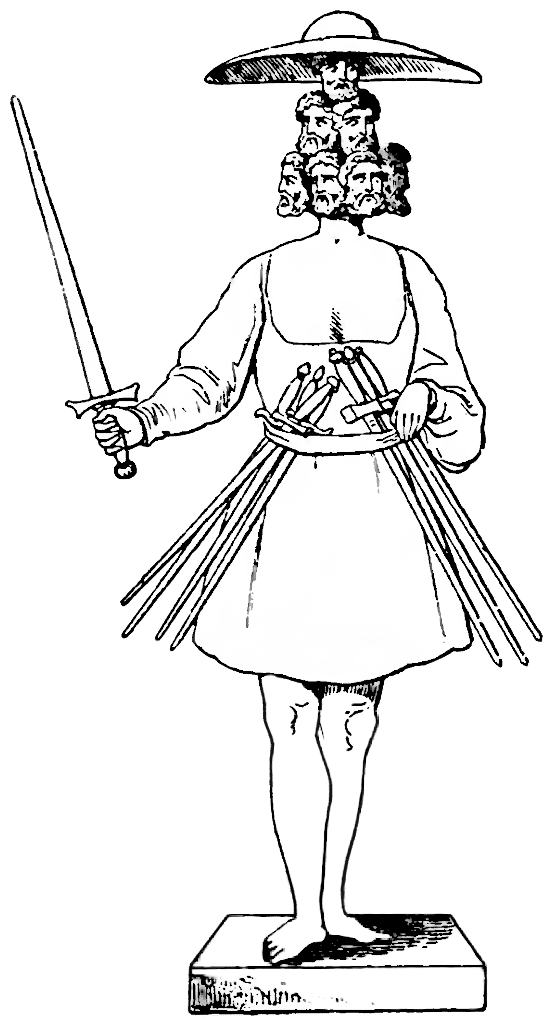
Rugievit is a significant figure in Slavic mythology, often recognized as a god of war and a protector of warriors. His name is linked to various tales and legends that highlight his strength and bravery. In Slavic culture, Rugievit is not just a deity but also embodies the virtues of loyalty, honor, and courage. He is often depicted in various forms, symbolizing different aspects of life, from agriculture to warfare. Understanding Rugievit requires exploring the context of Slavic mythology, the stories surrounding him, and his influence on the people who worshipped him.
The Origins of Rugievit
The origins of Rugievit can be traced back to ancient Slavic tribes. These tribes were deeply connected to nature and the elements, and their gods reflected their environment and experiences. Rugievit, in particular, was revered as a protector during times of conflict. His worship was especially prominent among the warrior class, who sought his favor before battles. The tales of Rugievit often highlight his connection to agriculture and fertility, indicating that he was not only a god of war but also a deity who ensured the prosperity of the land.
 Rod
RodIn many stories, Rugievit is portrayed as a formidable warrior, often wielding a sword or spear. His physical strength is a central theme, representing the might of the Slavic people. The stories of Rugievit are often set against the backdrop of epic battles, where he emerges as a champion for his followers. His name is sometimes associated with the concept of victory, as he is believed to grant strength and courage to those who fight in his name.
Rugievit in Slavic Mythology
Within the broader context of Slavic mythology, Rugievit occupies a unique position. He is often considered part of a pantheon that includes other gods and goddesses, each representing different aspects of life. For instance, alongside Rugievit, deities like Perun (the god of thunder) and Veles (the god of the underworld) play significant roles. Together, they form a complex web of beliefs that guide the lives of the Slavic people.
The myths surrounding Rugievit often depict him as a leader among the gods. He is seen rallying the other deities in times of crisis, demonstrating his role as a unifier. This aspect of his character is crucial for understanding how the Slavic people viewed their gods—not merely as distant figures but as active participants in their lives. The stories of Rugievit serve as a reminder of the importance of community and solidarity in the face of adversity.
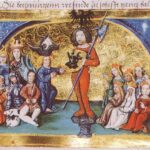 Radigast
Legends and Tales of Rugievit
Many legends revolve around Rugievit, showcasing his adventures and the challenges he faced. One popular tale involves a great battle against a rival god, where Rugievit demonstrates his unmatched skill and bravery. In this story, he faces overwhelming odds but ultimately triumphs through his cunning and strength. This tale not only illustrates Rugievit’s prowess as a warrior but also serves as a metaphor for the struggles faced by the Slavic people.
- The Battle of the Gods: In this legend, Rugievit must confront a malevolent deity who threatens the peace of the realm. The battle is fierce, with both sides showcasing their powers. Rugievit, however, relies on his intelligence as much as his strength, ultimately leading to his victory.
- The Protector of the Fields: Another tale describes how Rugievit protects the crops and livestock from marauding creatures. His interventions ensure that the people have enough food, emphasizing his dual role as a warrior and a guardian of prosperity.
- The Guardian of Warriors: Rugievit is often invoked by warriors before they head into battle. Stories tell of how he appears to guide and protect them, ensuring they fight bravely and return home safely.
These legends serve multiple purposes. They entertain, educate, and instill a sense of pride among the people. The tales of Rugievit remind the Slavic tribes of their shared heritage and the qualities they should aspire to embody—bravery, loyalty, and strength in unity.
Rugievit’s Symbolism
Rugievit is rich in symbolism, representing various concepts that resonate deeply with the Slavic people. One of the most significant symbols associated with him is the sword. The sword represents not only his martial prowess but also the idea of justice and protection. In many cultures, the sword is a symbol of authority, and for the Slavic people, Rugievit’s sword signifies his role as a protector of the realm.
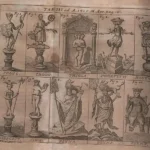 Priparchis
Another important symbol linked to Rugievit is the oak tree. In Slavic mythology, the oak is often associated with strength and endurance. Rugievit’s connection to the oak tree emphasizes his steadfast nature and his role as a guardian of the land. The oak tree serves as a reminder of the deep roots of Slavic culture and the importance of nature in their belief system.
Rugievit’s Worship and Rituals
The worship of Rugievit was an integral part of the spiritual life of ancient Slavic tribes. Rituals and ceremonies dedicated to him often took place before significant events, such as battles or harvests. These rituals were designed to invoke his favor and ensure his protection. Offerings, such as food, weapons, and other valuable items, were commonly presented at altars dedicated to Rugievit.
During the rituals, participants would chant prayers and perform dances that celebrated Rugievit’s qualities. These ceremonies fostered a sense of community, as people gathered to honor their protector. The act of worshipping Rugievit was not merely a personal endeavor; it was a collective experience that reinforced social bonds among the tribes.
The Legacy of Rugievit
Even after the decline of pagan beliefs, the legacy of Rugievit continued to influence Slavic culture. Elements of his stories and symbolism found their way into folklore and literature. Many tales that feature Rugievit have been passed down through generations, evolving yet retaining their core messages of strength and bravery.
In modern times, Rugievit is often referenced in various forms of art, including literature, music, and visual arts. His image serves as a reminder of the rich tapestry of Slavic mythology and the values that it promotes. Artists and writers draw inspiration from Rugievit’s tales, using them to explore themes of heroism and resilience.
Rugievit in Contemporary Culture
Today, Rugievit is celebrated in various ways within Slavic communities. Festivals dedicated to ancient traditions often include tributes to Rugievit, where stories are shared, and rituals are reenacted. These celebrations serve to educate younger generations about their heritage and the significance of their ancestors’ beliefs.
Moreover, Rugievit has made his way into popular culture, appearing in books, films, and video games. His character is often adapted to fit modern narratives, showcasing his enduring appeal. These contemporary interpretations of Rugievit help to keep his legacy alive, ensuring that the stories of this ancient god continue to resonate with people today.
The Influence of Rugievit on Slavic Identity
Rugievit plays a crucial role in shaping the Slavic identity. His stories are not just tales of gods and heroes; they are reflections of the values and beliefs that define Slavic culture. Rugievit embodies the spirit of resilience and the importance of community, themes that are central to the Slavic experience. The reverence for Rugievit serves as a connection to the past, reminding people of their roots and the strength that lies within their shared heritage.
In times of struggle, the stories of Rugievit are often invoked as a source of inspiration. His legacy serves as a reminder that even in the face of adversity, courage and unity can lead to victory. The influence of Rugievit extends beyond mythology; it permeates the cultural fabric of Slavic societies, shaping their values, traditions, and collective identity.