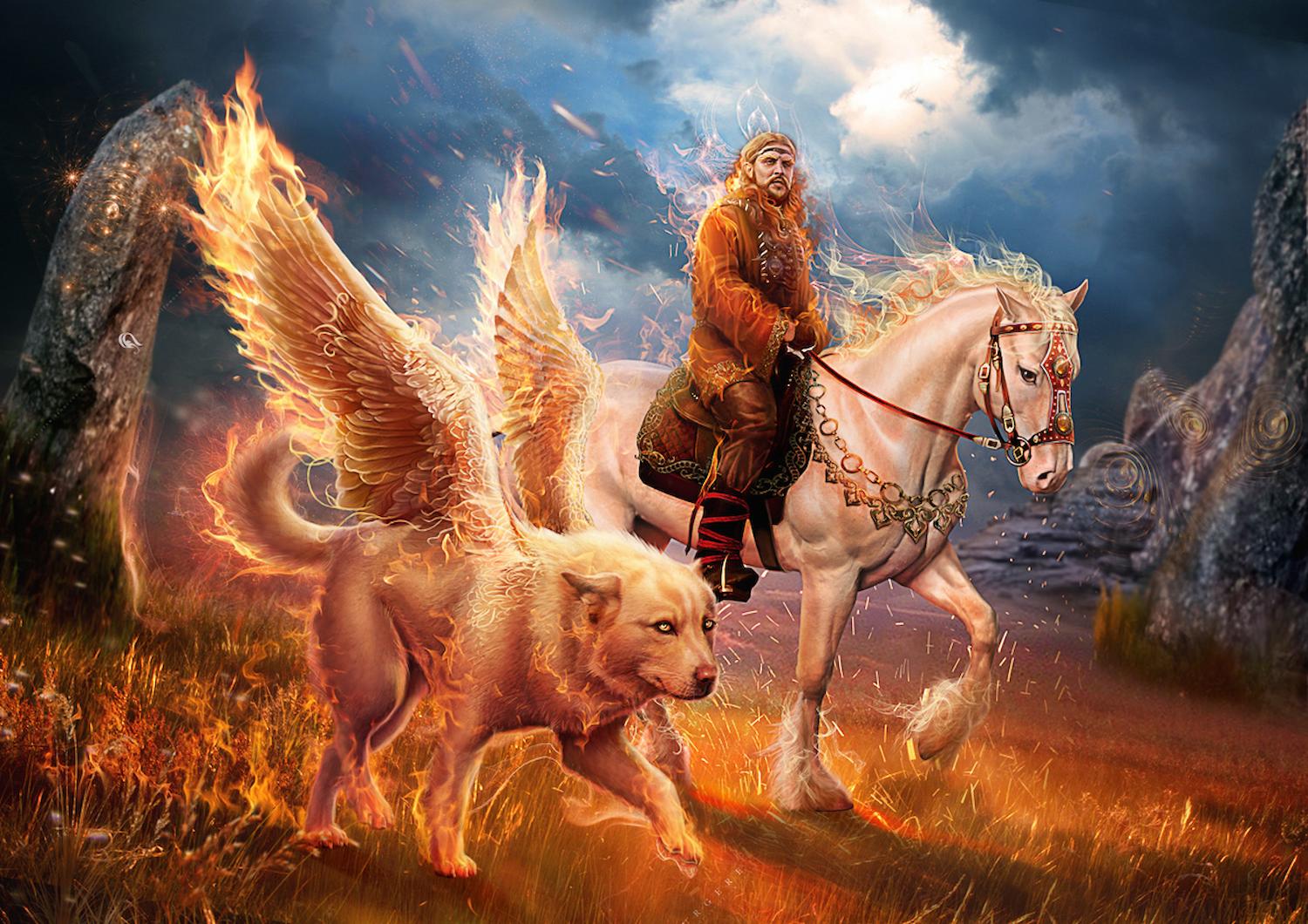
In Slavic mythology, Semargl is a fascinating and multifaceted figure often associated with the concept of fire and the protection of crops. He is depicted as a celestial being who plays a significant role in the natural order, symbolizing the connection between the heavens and the earth. Semargl is frequently represented as a dog or a lion, showcasing his strength and protective nature. This deity is particularly important in agricultural contexts, where he is believed to oversee the growth of crops and the fertility of the land. His influence extends to various aspects of life, including the changing of seasons and the balance of natural forces.
The Role of Semargl in Agriculture
One of the most prominent aspects of Semargl is his association with agriculture and the fertility of the land. In many Slavic cultures, he is revered as a protector of crops, ensuring that they flourish and yield a bountiful harvest. Farmers would often invoke Semargl’s blessings before planting their seeds, hoping for a fruitful growing season. His presence is believed to bring warmth and light to the fields, essential elements for successful agriculture. The rituals performed in his honor often included offerings of food, flowers, and other items meant to appease him and gain his favor.
 Rusalki
In addition to overseeing crop growth, Semargl is also thought to guard against natural disasters that could threaten the harvest. Storms, droughts, and pests are significant concerns for farmers, and Semargl’s protective nature is invoked to shield the fields from such calamities. This connection between Semargl and agricultural prosperity highlights the deep respect and reverence that Slavic cultures have for nature and its cycles. His role in agriculture exemplifies the belief that the success of farming is not solely dependent on human effort but also on the favor of divine beings.
Semargl and the Elements
Semargl is often associated with the element of fire, which plays a crucial role in various natural processes. Fire is not only a destructive force but also a source of warmth and light, essential for life. In many myths, Semargl is depicted as a being that harnesses the power of fire to protect and nurture the earth. This duality of fire as both a creator and destroyer reflects the complexities of nature and the balance that must be maintained. Semargl’s connection to fire is also evident in rituals where fire is used as a means of purification and protection.
Moreover, Semargl’s relationship with the elements extends beyond fire to include earth and water. In Slavic mythology, these elements are interconnected, and Semargl is seen as a mediator between them. The balance of earth, water, and fire is essential for the growth of crops and the well-being of the community. Semargl’s role as a guardian of these elements emphasizes the importance of harmony in nature. People would often perform ceremonies to honor Semargl, seeking to align themselves with the natural world and ensure that the elements worked together in their favor.
 Rugievit
Symbolism of Semargl
Semargl’s symbolism is rich and varied, reflecting the diverse beliefs and practices of Slavic cultures. As a deity associated with protection and fertility, he embodies the qualities that are essential for a thriving community. His representation as a dog or lion signifies loyalty, strength, and courage, attributes that are highly valued in Slavic societies. These animals are often seen as protectors, guarding against threats and ensuring the safety of their families and lands. Semargl’s animal forms serve as reminders of the virtues that individuals should strive to embody.
Additionally, Semargl is often linked to the cosmos and the celestial realm. His role in overseeing the natural order highlights the belief that the earth is influenced by heavenly forces. This connection to the cosmos suggests that Semargl is not only a protector of the earth but also a bridge between the human realm and the divine. The stars and celestial bodies are thought to be interconnected with the cycles of nature, and Semargl’s presence reinforces the idea that humans are part of a larger cosmic order.
Semargl in Rituals and Celebrations
Throughout history, Semargl has been a central figure in various rituals and celebrations within Slavic cultures. Farmers would celebrate the arrival of spring with festivals dedicated to Semargl, marking the beginning of the planting season. These festivals often included music, dance, and offerings to honor the deity. Participants would gather in fields to perform traditional songs and dances, invoking Semargl’s blessings for a successful harvest. The communal aspect of these celebrations highlights the importance of agriculture in Slavic societies and the collective reliance on Semargl’s protection.
 Rod
RodDuring these festivals, rituals involving fire were particularly significant. Bonfires would be lit to symbolize the warmth and light that Semargl brings to the earth. People would jump over the flames, believing that this act would cleanse them of negative energies and bring good fortune. The use of fire in these celebrations underscores Semargl’s association with this element and reinforces the idea that fire is a powerful force for both protection and renewal. These rituals not only honored Semargl but also strengthened community bonds and reinforced cultural identity.
Semargl in Folklore and Literature
Semargl’s presence extends beyond rituals and celebrations; he is also a prominent figure in Slavic folklore and literature. Stories and legends about Semargl have been passed down through generations, often highlighting his protective nature and his role in the agricultural cycle. These tales serve as moral lessons, teaching the importance of respecting nature and the divine forces that govern it. In many stories, Semargl is depicted as a wise and benevolent being who helps those in need, further solidifying his status as a guardian of the land.
In addition to folklore, Semargl has also found his way into modern literature and popular culture. Authors and artists have drawn inspiration from his character, often portraying him as a symbol of resilience and strength. This contemporary representation of Semargl reflects a growing interest in Slavic mythology and the desire to reconnect with cultural roots. By exploring Semargl’s stories and significance, individuals can gain a deeper understanding of their heritage and the values that have shaped their communities.
The Legacy of Semargl
Semargl’s legacy continues to be felt in contemporary Slavic cultures, where his influence can be seen in various customs and traditions. Many people still honor Semargl during agricultural festivals, recognizing the importance of his role in ensuring a successful harvest. This ongoing reverence for Semargl highlights the enduring connection between people and the natural world. As society evolves, the stories and rituals surrounding Semargl adapt, but the core values of respect, gratitude, and community remain central.
Furthermore, Semargl’s presence in modern discussions about environmentalism and sustainability underscores his relevance in today’s world. As communities face challenges related to climate change and ecological balance, the teachings associated with Semargl can serve as a reminder of the need to protect the earth and its resources. By looking to Semargl’s legacy, individuals can find inspiration to advocate for a more harmonious relationship with nature, fostering a sense of responsibility for the environment.
Semargl is a significant figure in Slavic mythology, embodying the principles of protection, fertility, and the interconnectedness of nature. His role in agriculture, association with the elements, and symbolism as a guardian of the earth highlight the importance of respecting and honoring the natural world. Through rituals, folklore, and contemporary interpretations, Semargl’s legacy continues to inspire individuals and communities, reminding them of their place within the greater cosmic order. As we navigate the complexities of modern life, the teachings of Semargl remain relevant, encouraging a deeper appreciation for the environment and the forces that shape our existence.