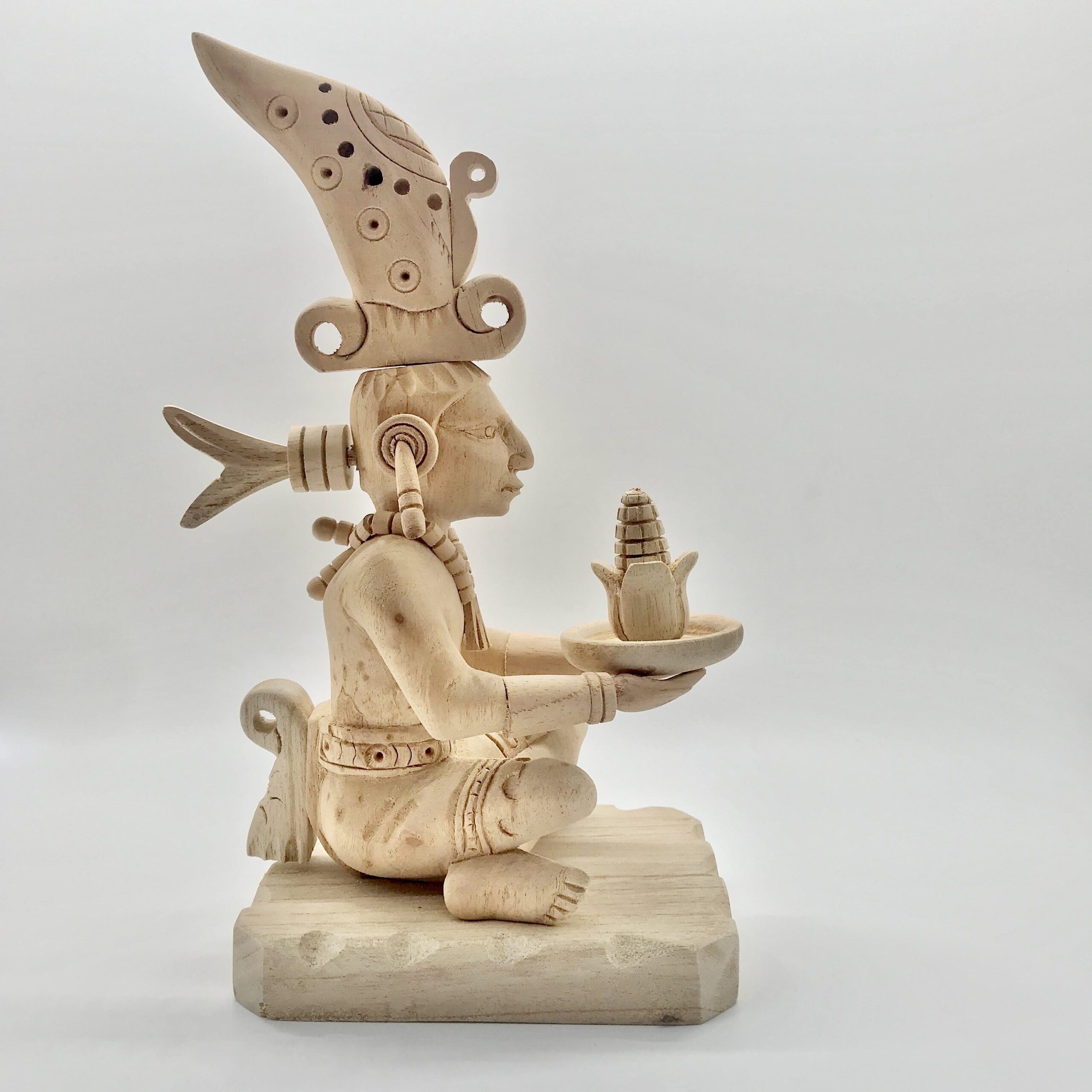
Xaman Ek is a significant figure in Maya mythology, often associated with the morning star and the planet Venus. In ancient Maya culture, celestial bodies held immense importance, and Xaman Ek was revered for his connection to the heavens. He was believed to guide the souls of the deceased and was often depicted in various forms in Maya art. His role in mythology is multifaceted, encompassing themes of life, death, and rebirth. Understanding Xaman Ek requires a closer look at his attributes, significance, and the rituals associated with him.
Attributes of Xaman Ek
Xaman Ek is often depicted as a powerful deity with several attributes that highlight his importance in Maya cosmology. He is frequently represented as a young man adorned with jewelry and a headdress, symbolizing his divine status. His connection to the morning star is significant, as it marks the transition from night to day, representing renewal and hope. The symbolism of light and darkness plays a crucial role in understanding the duality of existence in Maya beliefs.
 Zip
ZipIn many depictions, Xaman Ek holds a staff or a scepter, which signifies his authority and power. This staff is often embellished with celestial motifs, further emphasizing his connection to the stars. His attire typically includes a serpent motif, which is common in many Maya deities, representing transformation and the cycle of life. These visual elements convey the idea that Xaman Ek is not just a god of the morning star but also a guardian of the cosmic order.
Significance in Maya Mythology
The significance of Xaman Ek extends beyond his celestial associations. He plays a vital role in the Maya creation myths, where he is often linked to the underworld and the afterlife. In these myths, he is believed to guide the souls of the deceased through the underworld, ensuring their safe passage to the afterlife. This journey is crucial in Maya belief, as it reflects the importance of maintaining the balance between life and death.
 God Z
God ZFurthermore, Xaman Ek is associated with various agricultural cycles, particularly in relation to planting and harvesting. The Maya relied heavily on agriculture for their sustenance, and Xaman Ek’s connection to the morning star signifies the beginning of the planting season. The rising of the morning star would often coincide with the time to sow seeds, making Xaman Ek a crucial figure in the agricultural calendar. This duality of life and death in his mythology underscores the interconnectedness of nature and the cosmos in Maya culture.
Rituals and Worship
The worship of Xaman Ek involved various rituals that reflected his significance in daily life and spirituality. One of the primary forms of worship included offerings, which were made to honor him and seek his blessings. These offerings often consisted of food, flowers, and incense. The Maya believed that such offerings would appease Xaman Ek and ensure favorable conditions for agriculture and a prosperous life.
Additionally, the Maya conducted ceremonies during specific astronomical events, such as the rising of the morning star. These ceremonies were elaborate and involved the participation of the community. Participants would gather to perform dances and songs that celebrated Xaman Ek, reinforcing the communal bond and the shared reverence for the deity. Such events were not only religious observances but also social gatherings that strengthened community ties.
 Ah Peku
Common Rituals Involved in Worship
- Offering of food and flowers
- Lighting incense during dawn
- Community gatherings for ceremonies
- Dances and songs dedicated to Xaman Ek
- Observing astronomical events related to the morning star
These rituals were essential for maintaining the relationship between the people and Xaman Ek. They believed that through these acts of devotion, they could ensure a successful harvest and protection from misfortunes. The communal aspect of these rituals also highlights the importance of collective worship in Maya society, reinforcing the idea that spirituality was deeply intertwined with daily life.
Xaman Ek in Maya Art and Iconography
Xaman Ek is frequently depicted in Maya art, showcasing his importance in the cultural narrative. Artists often portrayed him in murals, pottery, and carvings, using symbolic imagery to convey his attributes and significance. In many artworks, he is shown alongside other deities, highlighting his role within the broader pantheon of Maya gods.
One of the most common artistic representations of Xaman Ek is in the form of glyphs and inscriptions. These inscriptions often include his name, along with symbols representing his celestial associations. The use of glyphs was a vital part of the Maya writing system, and they often served to convey religious and historical narratives. Through these artistic expressions, Xaman Ek’s story and significance were preserved for future generations.
Common Themes in Maya Art Featuring Xaman Ek
- Celestial motifs representing the morning star
- Depictions of agricultural scenes
- Interactions with other deities
- Symbolic representations of life and death
- Use of vibrant colors to convey vitality
The vibrant colors and intricate details in these artworks reflect the Maya’s deep connection to their beliefs and the natural world. Xaman Ek’s imagery often serves as a reminder of the cycles of life, emphasizing the importance of both life and death in the Maya worldview. Through these artistic representations, the legacy of Xaman Ek continues to resonate in the understanding of Maya mythology.
Xaman Ek and the Cosmic Order
Xaman Ek’s association with the morning star positions him as a key figure in the understanding of the cosmic order in Maya thought. The Maya viewed the universe as a complex system of interconnected elements, where celestial bodies played a crucial role in maintaining balance. Xaman Ek, as the morning star, symbolized the dawn of a new day and the renewal of life.
This cosmic order was not only a matter of celestial movements but also intertwined with the social and agricultural cycles of the Maya. The rising of the morning star marked important agricultural milestones, influencing when to plant and harvest crops. Thus, Xaman Ek’s role transcended mere mythology; it was a practical aspect of daily life that ensured the survival and prosperity of the community.
Elements of the Cosmic Order in Maya Beliefs
- Interconnectedness of celestial bodies and earthly life
- Significance of astronomical events in agricultural practices
- Belief in cycles of life, death, and rebirth
- Importance of rituals in maintaining cosmic balance
- Role of deities in guiding and protecting humanity
The understanding of the cosmic order was essential for the Maya, and Xaman Ek served as a reminder of the delicate balance that governed their existence. The rituals and beliefs surrounding him reflect a profound respect for the natural world and its cycles, underscoring the Maya’s deep spiritual connection to the cosmos.
Xaman Ek in Contemporary Maya Culture
Despite the passage of time, the legacy of Xaman Ek continues to influence contemporary Maya culture. Many modern Maya communities still honor traditional beliefs and practices, incorporating elements of their ancient mythology into daily life. Xaman Ek, as a symbol of the morning star, remains a figure of reverence and respect in these communities.
In contemporary rituals, the themes of renewal and hope associated with Xaman Ek are particularly relevant. As the Maya face various challenges in the modern world, the teachings and stories surrounding Xaman Ek serve as a source of strength and resilience. The idea of guiding souls through transitions resonates deeply, reflecting the ongoing significance of this ancient deity.
Modern Practices Related to Xaman Ek
- Celebration of traditional festivals honoring celestial events
- Integration of ancient myths into community storytelling
- Continued agricultural practices aligned with celestial cycles
- Revival of traditional rituals and ceremonies
- Emphasis on cultural heritage and identity
The revival of traditional practices not only preserves the memory of Xaman Ek but also strengthens the cultural identity of the Maya people. By maintaining these connections to their past, contemporary Maya communities celebrate their heritage and continue to find meaning in the stories of their ancestors.
In exploring the multifaceted figure of Xaman Ek, we gain insight into the rich tapestry of Maya mythology. His attributes, significance, and the rituals surrounding him highlight the interconnectedness of life, death, and the cosmos. Xaman Ek stands as a powerful reminder of the enduring legacy of the Maya, reflecting their deep respect for nature, spirituality, and community.
Through the lens of Xaman Ek, we can appreciate the complexities of ancient beliefs and their relevance in contemporary culture. The stories and rituals associated with this deity continue to inspire and guide the Maya people, emphasizing the importance of tradition in navigating the challenges of the modern world.