
Amitayus, also known as Amitabha, is a significant figure in Buddhist mythology. He is revered as the Buddha of Infinite Light and Life. Amitayus is primarily associated with the Pure Land sect of Buddhism, which emphasizes the importance of faith and devotion in attaining enlightenment. His name itself signifies the boundless nature of his compassion and wisdom. This article explores the various aspects of Amitayus, his symbolism, teachings, and the practices associated with him.

Origins and Symbolism of Amitayus
The origins of Amitayus can be traced back to ancient Buddhist texts, where he is depicted as a celestial being who embodies compassion and wisdom. He is often represented in art and sculpture, characterized by his serene expression and the presence of a lotus flower. The lotus symbolizes purity and enlightenment, as it rises from the mud to bloom beautifully above the water. Amitayus is frequently shown seated on a lotus throne, which emphasizes his divine nature and his role as a guide for practitioners seeking spiritual awakening.
Amitayus is often depicted with a golden complexion, symbolizing the radiance of his teachings. His hands are typically in a gesture of meditation or holding a bowl filled with nectar, which represents the elixir of immortality. This nectar is believed to grant eternal life and is a central theme in the practices dedicated to Amitayus. Devotees often pray to him for long life and spiritual growth, believing that his blessings can help them overcome obstacles on their path to enlightenment.
Attributes of Amitayus
- Infinite Light: Amitayus is known as the Buddha of Infinite Light, symbolizing the boundless wisdom and compassion that he offers to all beings.
- Long Life: He is also associated with the concept of long life, providing followers with the hope of longevity to pursue their spiritual goals.
- Pure Land: Amitayus presides over the Pure Land, a realm where beings can attain enlightenment more easily due to the absence of suffering.
The attributes of Amitayus make him a central figure in many Buddhist practices. His infinite light is seen as a guiding force that illuminates the path for practitioners. The idea of long life is not merely about physical existence but also about having enough time to cultivate wisdom and compassion. The Pure Land, where Amitayus resides, is considered a safe haven for those who wish to deepen their spiritual practice without the distractions of the mundane world.
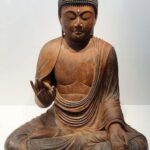 Amida
AmidaThe Teachings of Amitayus
The teachings of Amitayus are rooted in the principles of compassion, faith, and devotion. He emphasizes the importance of cultivating a compassionate heart and extending kindness to all beings. This is a fundamental aspect of Buddhist practice, as compassion is seen as the antidote to suffering. Amitayus teaches that by developing compassion, individuals can purify their minds and move closer to enlightenment.
Faith plays a crucial role in the teachings of Amitayus. Devotees are encouraged to have unwavering faith in his ability to guide them towards enlightenment. This faith is not blind; it is based on the understanding that Amitayus embodies the qualities that practitioners aspire to cultivate within themselves. By trusting in Amitayus, followers believe they can overcome their doubts and fears, enabling them to progress on their spiritual journey.
Practices Associated with Amitayus
- Recitation of Mantras: Chanting Amitayus’s name or mantras dedicated to him is a common practice that helps to focus the mind and cultivate positive intentions.
- Meditation: Meditating on Amitayus can deepen one’s understanding of his teachings and help practitioners connect with his essence.
- Ritual Offerings: Making offerings to Amitayus is a way for devotees to express their gratitude and devotion, often including flowers, incense, and food.
One of the most common practices associated with Amitayus is the recitation of his mantras. Chanting his name, such as “Amitabha,” is believed to invoke his presence and blessings. This practice helps to purify the mind and create a sense of inner peace. It is often done in a group setting, fostering a sense of community and shared intention among practitioners.
 Akshobhya
Meditation on Amitayus is another essential practice. During meditation, followers visualize Amitayus and reflect on his qualities, such as wisdom and compassion. This practice encourages individuals to embody these traits in their own lives. It serves as a reminder of the potential for enlightenment that exists within everyone. By connecting with Amitayus during meditation, practitioners can find inspiration and motivation to continue their spiritual journey.
Amitayus in Buddhist Texts
Amitayus is prominently featured in various Buddhist texts, most notably in the Pure Land Sutras. These scriptures outline the teachings and principles associated with Amitayus and the Pure Land. The Amitabha Sutra, for example, describes the characteristics of Amitayus and the benefits of being reborn in his Pure Land. This text is often recited during Buddhist ceremonies and serves as a source of inspiration for practitioners.
Another important text is the Contemplation Sutra, which provides guidance on how to visualize Amitayus and connect with his essence. This sutra emphasizes the importance of meditation and contemplation in developing a deeper understanding of Amitayus’s teachings. By studying these texts, practitioners can gain insight into the nature of Amitayus and the significance of his role in Buddhist practice.
Influence of Amitayus on Buddhist Practices
- Pure Land Buddhism: The teachings of Amitayus have greatly influenced the development of Pure Land Buddhism, which focuses on faith and devotion.
- Rituals and Ceremonies: Many Buddhist rituals and ceremonies are centered around Amitayus, highlighting his importance in communal worship.
- Art and Iconography: Amitayus is a popular subject in Buddhist art, inspiring countless representations across different cultures.
The influence of Amitayus extends beyond individual practice; it has shaped entire schools of Buddhism. Pure Land Buddhism, which emerged in the early centuries of the Common Era, is based on the belief that through faith in Amitayus, practitioners can attain rebirth in the Pure Land. This school emphasizes the power of recitation and devotion, making Amitayus a central figure in its teachings.
Rituals and ceremonies dedicated to Amitayus are also significant in Buddhist communities. These rituals often involve group recitations, offerings, and prayers, creating a collective atmosphere of devotion. Such gatherings strengthen the bonds between practitioners and foster a sense of unity in their spiritual aspirations. They also serve as an opportunity to express gratitude for the blessings received from Amitayus.
Amitayus in Different Cultures
Amitayus has been embraced by various cultures throughout the history of Buddhism. In Tibetan Buddhism, he is known as “Amitabha” and is a prominent figure in the teachings of the Nyingma and Gelug traditions. Tibetan practitioners often visualize Amitabha during their meditations and incorporate his teachings into their daily practices. The rich iconography of Amitayus in Tibetan art reflects the deep reverence for this deity, showcasing his significance in their spiritual landscape.
In Japanese Buddhism, particularly within the Jodo Shinshu sect, Amitabha is known as “Amida.” The teachings of Amida emphasize reliance on his grace and compassion for salvation. Japanese temples often feature elaborate depictions of Amida, highlighting his importance in the spiritual lives of practitioners. The practice of chanting Amida’s name, or “Nembutsu,” is central to this tradition, serving as a means to connect with his compassionate nature.
Global Influence of Amitayus
- Western Buddhism: Amitayus has also found a place in Western interpretations of Buddhism, where his teachings resonate with many seeking spiritual fulfillment.
- Interfaith Dialogues: The principles embodied by Amitayus contribute to interfaith dialogues, promoting compassion and understanding among different religions.
- Mindfulness Practices: Many mindfulness practices incorporate the essence of Amitayus, focusing on compassion and present-moment awareness.
Amitayus’s influence has reached beyond traditional Buddhist cultures and into Western contexts. As Buddhism spreads globally, many people are drawn to the teachings of Amitayus for their emphasis on compassion and mindfulness. The idea of cultivating a compassionate heart resonates deeply in contemporary society, where individuals seek solace and meaning in their lives.
Furthermore, Amitayus’s teachings contribute to interfaith dialogues, highlighting common values among different religious traditions. The principles of compassion and understanding are universal, fostering connections between people of diverse backgrounds. This shared focus on empathy and kindness can help bridge cultural divides and promote harmony in an increasingly interconnected world.
Through his teachings and practices, Amitayus serves as a beacon of hope and inspiration for countless individuals on their spiritual journeys. His emphasis on compassion, faith, and devotion continues to resonate with practitioners across cultures and traditions. By embodying the qualities of Amitayus, individuals can cultivate a deeper understanding of themselves and the world around them. The legacy of Amitayus is not only found in the texts and rituals dedicated to him but also in the hearts of those who strive to follow his path toward enlightenment.