
In the realm of Maya mythology, the figure of God Z is a significant and fascinating character. He is often associated with various aspects of nature and human experience, embodying the intricate relationship between the gods and the world around them. The Maya civilization, known for its advanced understanding of astronomy, mathematics, and agriculture, also developed a rich tapestry of myths and legends that explained their world. Within this context, God Z plays a pivotal role, influencing both the natural elements and the lives of the people. Understanding God Z requires delving into the broader themes of Maya mythology, including the creation myths, the pantheon of gods, and the rituals that were central to Maya life.
Understanding the Maya Pantheon
The Maya pantheon is a complex system of deities, each representing different elements of life and nature. Among these gods, God Z stands out due to his unique characteristics and the specific domains he oversees. The Maya believed that their gods were deeply intertwined with the natural world, influencing everything from the weather to agricultural cycles. God Z is often depicted as a god of fertility, life, and renewal, emphasizing the cyclical nature of existence. This connection to fertility is particularly significant, as agriculture was the backbone of Maya society, and understanding the gods’ moods was essential for successful farming.
 Ah Peku
In Maya mythology, each god has a distinct personality and set of responsibilities. God Z is often associated with rain, vital for crop growth, which made him a crucial figure for the agricultural community. The Maya would invoke God Z during rituals aimed at ensuring a good harvest. This connection between the divine and the earthly realm highlights the importance of the gods in everyday life, illustrating how the Maya viewed their existence as intertwined with the forces of nature. God Z’s presence in the pantheon emphasizes the need for harmony between humans and the divine.
The Role of God Z in Creation Myths
Creation myths are central to understanding any mythology, and the Maya are no exception. In the stories of creation, God Z often plays a crucial role, helping to shape the world and establish the balance necessary for life. According to some versions of the myth, God Z was involved in the creation of the first humans, using the earth and elements of nature to form them. This act of creation reflects the Maya belief that humans are fundamentally connected to the earth and its resources. The idea that a god like God Z would be involved in this process underscores the importance of respecting nature and its cycles.
Additionally, God Z’s role in creation is often linked to the idea of renewal. Just as the earth goes through cycles of growth and decay, so too do the gods. God Z embodies this concept, reminding the Maya of the importance of renewal in their lives. The changing seasons, the life cycle of crops, and even the human experience of birth and death are all seen as reflections of this divine cycle. By honoring God Z, the Maya sought to align themselves with these natural processes, ensuring a balance that would sustain their communities.
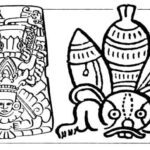 Ah Muzencab
Symbols and Representations of God Z
In Maya art and iconography, God Z is often depicted using various symbols that represent his attributes and powers. One of the most common symbols associated with him is the water motif, signifying his connection to rain and fertility. Water is a vital resource for life, and its representation in the context of God Z highlights the significance of this element in agriculture and sustenance. Artistic depictions may include flowing water or rain clouds, emphasizing the essential role of God Z in providing the necessary elements for crops to thrive.
Moreover, God Z is frequently associated with the serpent, a symbol of power and transformation in Maya culture. The serpent is often linked to the earth and its fertility, representing the ability to bring forth life from the soil. In many depictions, God Z may be shown alongside serpentine imagery, reinforcing his connection to the cycles of life and death. These symbols not only serve to identify God Z but also communicate the deeper meanings associated with his character and the natural world.
Rituals and Offerings to God Z
Rituals played a vital role in Maya society, serving as a means to communicate with the gods and seek their favor. In the case of God Z, rituals often centered around agricultural cycles, particularly planting and harvest times. The Maya would conduct ceremonies to honor God Z, offering food, flowers, and other gifts as a way to express gratitude and request blessings for a bountiful harvest. These offerings were seen as essential to maintaining a positive relationship with the divine, ensuring that the gods would provide the necessary rain and fertility for the crops.
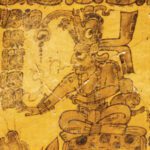 Kinich Ahau
Additionally, the timing of these rituals was crucial. The Maya were keen observers of the natural world, and they understood the importance of aligning their ceremonies with the changing seasons. For instance, rituals dedicated to God Z would often coincide with the onset of the rainy season, a critical time for planting. This careful attention to timing reflects the Maya’s deep understanding of the cycles of nature and their desire to work in harmony with the forces that governed their lives.
- Offerings to God Z included:
- Food items such as maize and beans
- Flowers and herbs
- Crafted items symbolizing fertility
The Legacy of God Z in Modern Maya Culture
The influence of God Z extends beyond ancient times into modern Maya culture. While the traditional religious practices have evolved, the reverence for nature and its cycles remains a core aspect of Maya identity. Many contemporary Maya communities still honor their ancestral gods, including God Z, through various festivals and ceremonies that celebrate the agricultural calendar. These events serve not only as a means of honoring the gods but also as a way to strengthen community ties and cultural heritage.
Furthermore, the stories and attributes of God Z continue to be passed down through generations, serving as a source of inspiration and guidance for the Maya people. The values associated with God Z, such as respect for nature, the importance of community, and the recognition of life’s cycles, are deeply ingrained in the cultural fabric of modern Maya society. By preserving these traditions, the Maya maintain a connection to their past while adapting to the challenges of the present.
Challenges to the Preservation of Maya Mythology
Despite the rich legacy of God Z and other deities in Maya mythology, there are significant challenges to the preservation of these traditions. Globalization, urbanization, and the influence of modern religions have led to a decline in the practice of traditional Maya rituals. As younger generations move to urban areas and adopt different lifestyles, the transmission of cultural knowledge, including the stories and practices related to God Z, is at risk. This shift poses a challenge for the preservation of Maya identity and heritage.
Efforts to revitalize interest in Maya mythology and its associated practices are underway in many communities. Cultural organizations and local leaders are working to educate younger generations about their heritage, emphasizing the importance of understanding their history and mythology. By engaging the youth in traditional ceremonies and storytelling, these efforts aim to ensure that the legacy of God Z and other deities remains a vibrant part of Maya culture.
The Importance of Nature in Maya Beliefs
At the heart of Maya mythology is a profound respect for nature. The gods, including God Z, are seen as manifestations of natural forces, and the Maya understood that their survival depended on maintaining a balance with these forces. This relationship is evident in their agricultural practices, which were designed to work in harmony with the environment. The Maya recognized the importance of sustainable practices, understanding that overexploitation of resources could lead to dire consequences.
This deep connection to nature is reflected in the way the Maya approach their spirituality. For them, the earth is not just a resource to be used but a living entity deserving of respect and care. God Z, as a deity of fertility and life, embodies this philosophy, serving as a reminder of the interdependence between humans and the natural world. The rituals and offerings dedicated to him are expressions of gratitude and recognition of this connection, highlighting the need for stewardship of the earth.
Environmental Awareness and Modern Implications
In today’s world, where environmental issues are at the forefront of global discussions, the teachings associated with God Z and Maya mythology take on new significance. The principles of respect for nature and sustainable living that are central to Maya beliefs resonate with contemporary movements aimed at addressing climate change and environmental degradation. The stories of God Z serve as a reminder of the consequences of neglecting our relationship with the earth.
By drawing on the wisdom of their ancestors, modern Maya communities can contribute valuable insights to the global conversation on sustainability. The emphasis on balance, respect for natural cycles, and the interconnectedness of all living things can inform contemporary practices and policies. In this way, the legacy of God Z extends beyond mythology, offering lessons that are relevant to the challenges faced by humanity today.
Conclusion: The Enduring Legacy of God Z
The figure of God Z in Maya mythology is a testament to the rich cultural heritage of the Maya civilization. His association with fertility, life, and renewal highlights the importance of nature and the divine in the lives of the Maya people. Through rituals, symbols, and stories, God Z embodies the values that have shaped Maya identity for centuries. As modern challenges arise, the lessons derived from God Z and Maya mythology continue to resonate, reminding us of the need for respect, balance, and harmony with the natural world.