
Amun is one of the most significant deities in Egyptian mythology. He is often associated with the sun and air, and his name means “the hidden one.” Amun was originally a local deity of Thebes, but he rose to prominence during the New Kingdom, becoming one of the most important gods in ancient Egypt. His worship spread throughout the country, and he was often merged with the sun god Ra, becoming Amun-Ra. This combination symbolized the unity of the divine forces in the universe. Amun’s influence can be seen in various aspects of ancient Egyptian culture, including architecture, art, and religion.
The Origins of Amun
The origins of Amun can be traced back to the early dynastic period of Egypt. Initially, he was a minor god worshipped in the region of Thebes. Over time, his significance grew, particularly during the Middle Kingdom when he became associated with the concept of royal power. As the political landscape of Egypt changed, Amun’s status rose, and he became a central figure in the pantheon of Egyptian gods. His association with the air and the hidden aspects of existence made him a symbol of the unseen forces that govern the world.
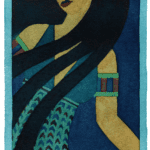 Amaunet
In the New Kingdom, Amun became the principal god of Egypt, and the pharaohs often referred to themselves as his “sons.” This connection emphasized the divine right of the pharaohs to rule. Temples dedicated to Amun were constructed, the most famous being the Temple of Karnak. This vast complex became a major center of worship and was a testament to Amun’s elevated status. The temple features impressive architecture and numerous statues, illustrating the importance of Amun in the religious life of ancient Egyptians.
Amun and the Sun
Amun is closely linked to the sun, especially after he merged with Ra. This association represents the duality of his nature; he is both a hidden force and a visible light. The combination of Amun and Ra, known as Amun-Ra, signifies the complete cycle of life and the importance of the sun in Egyptian cosmology. The sun was seen as a source of life, and Amun’s role in this cycle underscores his significance as a creator god.
The Egyptians believed that Amun-Ra traveled across the sky during the day, providing light and warmth to the earth. At night, he was thought to journey through the underworld, bringing rebirth and renewal. This journey symbolized the cycle of life, death, and resurrection, which was a fundamental aspect of Egyptian belief. Temples dedicated to Amun often included solar symbols, reinforcing his connection to the sun and its vital role in sustaining life.
 Amathaounta
Symbolism of Amun-Ra
- Sun Disk: Amun-Ra is often depicted with a sun disk above his head, symbolizing his solar aspect.
- Ram: He is frequently associated with rams, which represent strength and fertility.
- Obelisks: Tall, four-sided monuments often dedicated to Amun-Ra, symbolizing the rays of the sun.
The symbolism associated with Amun-Ra extends beyond mere representation. It encapsulates the Egyptians’ understanding of the universe and their place within it. The sun was not only a physical entity but also a spiritual force that influenced every aspect of life. Amun-Ra’s presence in their daily lives offered a sense of security and stability, as the sun’s rise and fall was predictable and eternal.
The Role of Amun in Egyptian Society
Amun played a crucial role in the political and social structures of ancient Egypt. As the chief deity, he was a source of legitimacy for the pharaohs. They sought his favor to ensure a successful reign and to affirm their divine right to rule. Temples dedicated to Amun were not only places of worship but also centers of power. The priests of Amun wielded significant influence, often acting as advisors to the pharaohs.
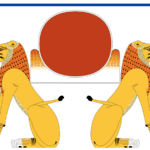 Aker
AkerThe annual Opet Festival was one of the most important celebrations dedicated to Amun. This festival involved a grand procession from the Temple of Karnak to the Temple of Luxor, where the statue of Amun was paraded through the streets. The event symbolized the renewal of the king’s divine power and the unity of the gods with the pharaoh. The festival reinforced the connection between Amun, the pharaoh, and the people, fostering a sense of community and shared belief.
Amun in Art and Architecture
The worship of Amun is vividly illustrated in ancient Egyptian art and architecture. Temples dedicated to him were grand and intricately designed, featuring massive columns, detailed hieroglyphs, and impressive statues. The Temple of Karnak is a prime example of this architectural grandeur. It is one of the largest religious complexes in the world, showcasing the importance of Amun in Egyptian society.
In art, Amun is often depicted as a man wearing a crown with two tall feathers, symbolizing his status as a god. He is sometimes shown as a ram, reflecting his association with strength and fertility. The imagery used in temples and tombs served not only a decorative purpose but also a religious one, as it was believed that these depictions could facilitate the connection between the divine and the mortal realms.
Iconography of Amun
- Human Form: Depicted as a man, often with a beard and wearing a crown.
- Animal Form: Represented as a ram or with ram horns, symbolizing power.
- Hieroglyphs: His name is often inscribed in temples and tombs, highlighting his significance.
The iconography of Amun is rich and varied, reflecting the complexity of his character and the multifaceted nature of Egyptian beliefs. Each representation serves to communicate different aspects of his divinity, from his role as a creator to his association with kingship. The use of symbols and images in art and architecture played a vital role in reinforcing the cultural and religious identity of the ancient Egyptians.
Amun’s Legacy
The legacy of Amun is profound and enduring. His worship continued for centuries, influencing various aspects of life in ancient Egypt. Even after the decline of traditional Egyptian religion, Amun remained a symbol of divine power and authority. His temples and monuments have survived through the ages, serving as a testament to his importance in Egyptian history.
Modern archaeology has revealed much about Amun and his worship. Excavations of the Temple of Karnak and other sites have provided valuable insights into the religious practices of ancient Egyptians. These discoveries highlight the central role Amun played in their lives, as well as the artistry and skill of the craftsmen who built his temples.
Influence Beyond Egypt
- Adaptation in Other Cultures: Amun’s characteristics influenced other cultures and religions.
- Modern References: Amun is referenced in literature and popular culture today.
- Archaeological Significance: Sites dedicated to Amun continue to be of interest to historians and archaeologists.
Amun’s influence extended beyond the borders of Egypt. As the Egyptian empire expanded, so did the worship of Amun. His characteristics and stories were adopted by neighboring cultures, showcasing the interconnectedness of ancient civilizations. Today, Amun remains a subject of fascination, appearing in various forms of media, literature, and academic studies. His legacy is a reminder of the rich tapestry of Egyptian mythology and the enduring impact of its gods on human history.
Amun is a pivotal figure in Egyptian mythology, representing the complexities of life, power, and divinity. His evolution from a local god to the chief deity of Egypt illustrates the changing dynamics of ancient society. The continued study of Amun and his worship offers valuable insights into the culture and beliefs of the ancient Egyptians, revealing a civilization deeply connected to its religious traditions and the natural world.