
Ah Peku is an intriguing figure in Maya mythology, representing a significant aspect of the ancient Maya’s understanding of the world around them. This deity embodies the elements of the earth, particularly in relation to agriculture and the cycles of nature. The Maya civilization, which flourished in Mesoamerica, had a deep connection to their environment, and Ah Peku was one of the many gods that played a crucial role in their agricultural practices. The importance of deities like Ah Peku cannot be understated, as they influenced the daily lives of the Maya people, their rituals, and their understanding of life and death.
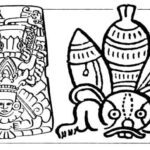
The Role of Ah Peku in Maya Agriculture
In the context of agriculture, Ah Peku is often associated with the fertility of the land. The Maya relied heavily on farming for sustenance, and the health of their crops was of utmost importance. Ah Peku was believed to have control over the growing cycles of plants and the seasonal changes that affected agriculture. Farmers would often invoke his name in hopes of a bountiful harvest. The rituals performed to honor Ah Peku were not just for appeasement but were also integral to the agricultural calendar.
The significance of Ah Peku extends beyond mere crop production. He symbolizes the balance of nature, representing both the nurturing aspects of the earth and its potential for destruction. This duality reflects the Maya’s understanding of the natural world, where fertility and decay coexist. Farmers understood that to achieve a successful harvest, they needed to respect the land and the deities associated with it. Thus, Ah Peku was honored in ceremonies that celebrated the planting and harvesting seasons.
Rituals and Offerings
The rituals dedicated to Ah Peku often involved various offerings, which were intended to gain his favor. These offerings could include food, flowers, and even incense. The Maya believed that these gifts would ensure a successful growing season. Communal gatherings were common during these rituals, where families and community members would come together to pray and celebrate the agricultural cycle. The collective nature of these rituals emphasized the community’s reliance on successful farming and the shared responsibility of honoring the gods.
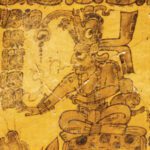 Kinich Ahau
- Food offerings, such as maize and fruits, were common.
- Flowers and incense were used to create a sacred atmosphere.
- Communal prayers often included specific requests for rain and sunlight.
In addition to physical offerings, the Maya also engaged in ceremonial dances and songs dedicated to Ah Peku. These performances served to unite the community and reinforce their connection to the earth and its cycles. Such rituals were not only about appeasing the gods but also about educating the younger generations about the importance of agriculture and the respect owed to the land. The teachings passed down through these ceremonies helped ensure that the knowledge of farming and the reverence for Ah Peku were preserved.
Ah Peku and the Cycle of Life
Ah Peku is also closely tied to the cycle of life in Maya mythology. The connection between agriculture and the life cycle is evident, as the growth of crops mirrors the stages of human existence. Birth, growth, maturity, and death are all reflected in the agricultural process. Just as crops are planted, nurtured, and eventually harvested, so too do humans go through similar stages. This connection highlights the Maya’s profound understanding of the interdependence of life forms.
The concept of rebirth is significant in Maya thought, and Ah Peku plays a role in this as well. After the harvest, the land must rest, allowing it to regenerate and prepare for the next planting season. This cycle of death and rebirth is mirrored in human life, where death is not seen as an end but as a transition to another form of existence. Ah Peku embodies this philosophy, reminding the Maya of the importance of respecting the cycles of nature and the inevitability of change.
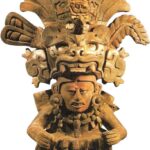 Ah Hulneb
Symbolism of Ah Peku
Ah Peku is often depicted in Maya art and iconography, symbolizing various aspects of nature. His representation typically includes elements that signify fertility and the earth’s bounty. The imagery associated with Ah Peku can often be seen in pottery, murals, and carvings found in ancient Maya cities. These depictions serve not only as artistic expressions but also as reminders of the deity’s influence over daily life and agriculture.
- Depictions of Ah Peku often include symbols of fertility, such as ears of corn.
- Artworks may show him surrounded by plants and animals, emphasizing his connection to nature.
- He is sometimes portrayed with elements that signify rain and sunlight, critical for crop growth.
The symbolism of Ah Peku is multifaceted, representing both the nurturing aspects of the earth and its potential for destruction. The Maya recognized that while Ah Peku could bless them with a bountiful harvest, he could also bring drought and famine if disrespected. This duality is a reminder of the balance that must be maintained in nature, and the importance of honoring the gods who oversee these processes.
Mythological Stories of Ah Peku
Throughout Maya mythology, various stories and legends feature Ah Peku, illustrating his role and significance in the lives of the people. These myths often convey important moral lessons about respect for nature and the consequences of neglecting the land. One popular story involves a group of farmers who, after a successful harvest, became complacent and failed to honor Ah Peku. As a result, their crops began to wither, and they faced famine. This tale serves as a cautionary reminder of the need to maintain a respectful relationship with the earth and its deities.
Another story involves Ah Peku’s interactions with other deities, particularly those associated with rain and storms. In these tales, Ah Peku is often depicted as working alongside these gods to bring balance to the environment. The collaboration between deities highlights the interconnectedness of all aspects of nature and the importance of harmony in the world. Such stories were likely told during rituals to reinforce the community’s beliefs and the significance of maintaining balance in their agricultural practices.
The Lessons from Ah Peku’s Myths
The myths surrounding Ah Peku provide valuable insights into the values and beliefs of the Maya civilization. One key lesson is the importance of gratitude and respect for the earth. The stories emphasize that the bounty of the land should not be taken for granted. The Maya believed that acknowledging the contributions of Ah Peku and other deities was essential for ensuring continued prosperity. This belief system fostered a sense of responsibility towards the environment, encouraging sustainable practices in agriculture.
- Respect for nature is a recurring theme in Ah Peku’s stories.
- Gratitude towards deities is essential for a successful harvest.
- Community cooperation is emphasized in agricultural practices and rituals.
Additionally, these myths often reflect the cyclical nature of life and death, illustrating the idea that everything is interconnected. The stories of Ah Peku remind the Maya that their existence is tied to the rhythms of nature. By understanding these connections, they were better equipped to navigate the challenges of life and maintain a harmonious relationship with their environment.
The Legacy of Ah Peku in Modern Maya Culture
The influence of Ah Peku extends beyond ancient times and can still be observed in modern Maya culture. Many contemporary Maya communities continue to honor their traditional beliefs and practices, including those related to agriculture. While the specific rituals may have evolved, the essence of reverence for the earth and its deities remains strong. In this way, Ah Peku’s legacy lives on, serving as a reminder of the deep connection between the Maya people and their environment.
In some regions, modern farmers still perform rituals to invoke the blessings of Ah Peku before planting their crops. These ceremonies often blend traditional beliefs with contemporary practices, reflecting the ongoing significance of agriculture in Maya life. By maintaining these customs, the Maya preserve their cultural heritage and pass down important lessons about sustainability and respect for the earth to future generations.
Preserving the Myths and Traditions
The preservation of Ah Peku’s myths and traditions is crucial for maintaining the identity of the Maya people. Storytelling remains an important aspect of their culture, with elders passing down tales of Ah Peku and other deities to younger generations. This oral tradition not only keeps the stories alive but also reinforces the values associated with them. As the world changes, these stories serve as a bridge between the past and the present, reminding the Maya of their rich heritage.
- Storytelling is a vital aspect of preserving Maya culture.
- Modern rituals often incorporate traditional beliefs about Ah Peku.
- The legacy of Ah Peku emphasizes the importance of sustainability.
Furthermore, cultural festivals often celebrate agricultural practices and honor deities like Ah Peku. These events provide an opportunity for the community to come together, share their traditions, and educate others about their rich history. Such gatherings help foster a sense of unity and pride among the Maya people, ensuring that the teachings of Ah Peku and the lessons learned from nature continue to resonate in their lives.
The Importance of Understanding Ah Peku
Understanding Ah Peku and his significance in Maya mythology is essential for appreciating the broader context of Maya culture and history. The stories, rituals, and beliefs surrounding this deity offer valuable insights into how the Maya viewed their world and their relationship with nature. By studying Ah Peku, we can gain a deeper understanding of the values that shaped the lives of the Maya people and continue to influence their descendants today.
Moreover, the legacy of Ah Peku serves as a reminder of the importance of respecting and nurturing our environment. As modern society faces numerous challenges related to sustainability and climate change, the teachings associated with Ah Peku become increasingly relevant. The Maya’s understanding of the interconnectedness of all life forms can inspire contemporary efforts to create a more harmonious relationship with the earth.
Lessons for Today
As we reflect on the mythology of Ah Peku, we can draw several important lessons for our own lives. The emphasis on community and cooperation in agricultural practices serves as a reminder that we are all interconnected. Just as the Maya relied on each other to ensure successful harvests, we too must work together to address the challenges facing our planet. By fostering a sense of community and shared responsibility, we can create positive change and ensure a sustainable future.
- Collaboration and community are essential for overcoming challenges.
- Respect for nature is crucial for sustainability.
- Learning from traditional practices can inform modern solutions.
Additionally, the stories of Ah Peku highlight the importance of gratitude and respect for the earth. In our fast-paced world, it can be easy to take nature for granted. However, by recognizing the gifts that the earth provides, we can cultivate a greater appreciation for our environment. This mindset can inspire us to make more sustainable choices in our daily lives, ultimately benefiting both ourselves and future generations.