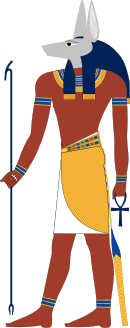
Wepwawet is a significant figure in Egyptian mythology, often depicted as a wolf or a man with a wolf’s head. He is primarily associated with war and funerary practices. Wepwawet’s name translates to “the opener of the ways,” symbolizing his role as a guide for souls in the afterlife and as a protector in battle. His presence was essential in ancient Egyptian beliefs, particularly during times of conflict and in the context of the afterlife.
The Origin of Wepwawet
The origins of Wepwawet can be traced back to the early periods of ancient Egypt, specifically the Predynastic and Early Dynastic periods. He was worshipped primarily in the city of Asyut, which was a significant center for his cult. Archaeological findings, including inscriptions and artifacts, indicate that Wepwawet was revered as a powerful deity who played a crucial role in the religious practices of the time. His worship likely began as a local tradition before expanding throughout Egypt as the concept of gods evolved.
 Wosret
As a deity, Wepwawet was often linked to the god of war and was considered an important figure in military contexts. Ancient Egyptians believed that he could provide protection and guidance to soldiers in battle. His association with wolves, known for their strength and cunning, reinforced his image as a fierce protector. Over time, Wepwawet became more than just a local deity; he emerged as a symbol of military prowess and divine guidance.
Wepwawet’s Symbolism
Wepwawet is rich in symbolism, representing various aspects of life and death. One of his most notable symbols is the wolf, which embodies qualities such as loyalty, protection, and ferocity. The wolf’s association with the hunt also connects Wepwawet to the themes of warfare and survival. This symbolism extended to his role as a guardian of the dead, where he guided souls through the perilous journey to the afterlife.
In addition to his wolf-like features, Wepwawet is often depicted with a staff or scepter, which signifies his authority and power. This staff is sometimes shown with a flag or standard, emphasizing his role as a leader in battle. The combination of these symbols paints a picture of Wepwawet as a formidable deity, capable of both protecting the living and guiding the dead. His imagery was powerful, and ancient Egyptians invoked his name for strength and safety.
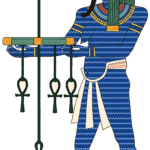 Wadj-wer
Wepwawet in Funerary Practices
Wepwawet’s significance extended deeply into funerary practices. Ancient Egyptians believed that he played a crucial role in the judgment of the dead. Upon death, souls were thought to face various challenges in the afterlife, and Wepwawet was believed to guide them through these obstacles. He was often depicted in tombs and funerary artifacts, symbolizing the hope for a safe passage into the afterlife.
During funerals, Wepwawet was invoked to ensure that the deceased would successfully navigate the underworld. His protective qualities were vital in this context, as the journey was fraught with dangers. Families of the deceased would often include offerings and prayers to Wepwawet, hoping for his favor and assistance in ensuring that their loved ones would reach their final resting place peacefully.
Wepwawet and Warfare
Wepwawet’s connection to warfare is another essential aspect of his character. As a deity of war, he was invoked by pharaohs and soldiers seeking victory in battle. The ancient Egyptians believed that Wepwawet could provide them with the strength and strategy needed to overcome their enemies. His image was often inscribed on weapons and shields, serving as a divine blessing for those who fought in his name.
 Weneg
WenegIn military rituals, priests would call upon Wepwawet for guidance and support. They believed that by honoring him, they could secure a favorable outcome in their campaigns. Wepwawet was often depicted leading armies into battle, symbolizing his role as a protector of the nation. This connection to warfare elevated his status among the pantheon of Egyptian gods, making him a crucial figure in both religion and society.
Wepwawet in Art and Literature
Wepwawet’s influence is evident in various forms of art and literature from ancient Egypt. He appears in numerous wall paintings, sculptures, and inscriptions, each depicting his wolf-like features and symbols of authority. Artists often portrayed him in dynamic poses, emphasizing his protective nature and warrior spirit. His imagery was not only decorative but also served a functional purpose, invoking his blessings in both the mortal and divine realms.
Literature from ancient Egypt also reflects Wepwawet’s importance. Texts often mention him in the context of funerary rituals and military campaigns. His role as a guide for the deceased is highlighted in the Book of the Dead, a collection of spells and prayers designed to assist souls in their journey through the afterlife. In these texts, Wepwawet is called upon for protection and guidance, showcasing his dual nature as both a warrior and a guardian.
Wepwawet’s Worship and Temples
The worship of Wepwawet was prominent in ancient Egypt, particularly in the region of Asyut. Temples dedicated to him served as centers of worship and pilgrimage for those seeking his favor. These temples were adorned with elaborate carvings and inscriptions that celebrated his power and attributes. Priests conducted rituals and offered sacrifices to honor Wepwawet, reinforcing his status as a vital deity in the Egyptian pantheon.
Asyut was known for its significant cult of Wepwawet, where large festivals were held in his honor. These events included processions, music, and dance, celebrating his role as a protector and guide. Devotees would gather to pay their respects, hoping to gain his blessings for their lives and the afterlife. The rituals associated with Wepwawet were an essential part of the spiritual landscape of ancient Egypt, reflecting the deep reverence the people had for this powerful deity.
Wepwawet in Modern Understanding
Today, Wepwawet continues to capture the interest of scholars and enthusiasts of Egyptian mythology. His dual role as a war deity and a guide for the dead provides insight into the ancient Egyptians’ complex beliefs about life, death, and the afterlife. Modern interpretations of Wepwawet often focus on his symbolism and the cultural significance he held in ancient society.
Archaeologists and historians study artifacts and texts that reference Wepwawet to gain a deeper understanding of his worship and the rituals associated with him. Museums often feature exhibitions highlighting his importance in ancient Egyptian culture, showcasing the art and artifacts related to his worship. As interest in Egyptian mythology continues to grow, Wepwawet remains a fascinating figure, embodying the rich tapestry of beliefs and practices that defined ancient Egypt.
Wepwawet stands out as a unique and powerful deity in the realm of Egyptian mythology. His multifaceted nature, combining elements of warfare and funerary practices, illustrates the ancient Egyptians’ intricate beliefs about life and death. The enduring legacy of Wepwawet, from his origins to his worship, continues to intrigue and inspire, ensuring that this ancient god remains a vital part of our understanding of Egyptian culture.