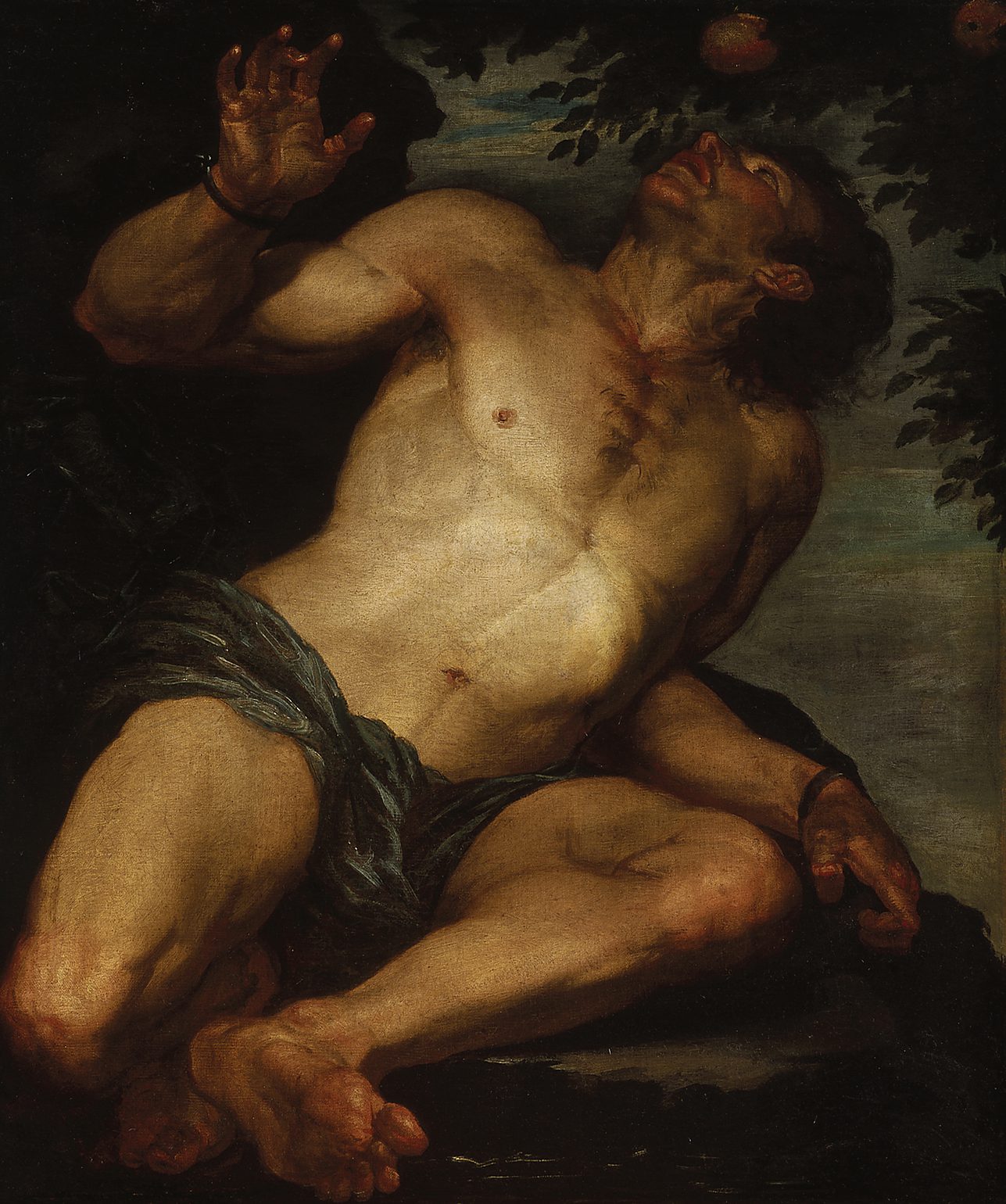
Tantalus is a prominent figure in Greek mythology, known for his tragic fate and the moral lessons his story conveys. He was a son of Zeus, the king of the gods, and the mortal woman Plouto. Tantalus is often associated with themes of betrayal, punishment, and divine retribution. His story serves as a cautionary tale about the consequences of hubris and the importance of respecting the gods. The myth of Tantalus is not only fascinating but also rich in symbolism, offering insights into ancient Greek beliefs about morality and the afterlife.

The Origins of Tantalus
Tantalus was born into a privileged position as the son of Zeus and Plouto. His lineage granted him access to the divine realm, which he enjoyed immensely. Tantalus was often invited to dine with the gods on Mount Olympus, where he experienced the pleasures of divine feasting. However, this privilege also led to his downfall. His close relationship with the gods made him arrogant, and he began to believe he was equal to them. This hubris set the stage for his eventual punishment.
In ancient times, Tantalus was celebrated for his wealth and power. He was the king of Lydia, a prosperous region known for its riches. His kingdom was filled with abundance, and Tantalus was admired by his subjects. However, as he basked in his glory, he became increasingly discontent with his status. He wanted to prove himself even more worthy in the eyes of the gods. This desire for recognition would ultimately lead him to commit heinous acts that would forever change his fate.
The Crimes of Tantalus
Tantalus committed several offenses that angered the gods and led to his eternal punishment. One of the most notorious acts was when he decided to test the gods’ omniscience. He invited the gods to a feast and, in a shocking display of arrogance, he killed his son, Pelops, and served him as a meal to the gods. Tantalus believed that by doing so, he could prove that he was cleverer than the deities. However, the gods saw through his treachery and were horrified by his actions.
 Taygete
Another significant crime of Tantalus was his theft of ambrosia and nectar, the food and drink of the gods. He stole these divine substances to bring back to his people, hoping to grant them immortality. This act of theft further solidified his reputation as a traitor among the gods. They viewed his actions as not only disrespectful but also as a challenge to their authority. Tantalus’ arrogance and disobedience made him a prime target for divine punishment.
The Punishment of Tantalus
As a result of his heinous crimes, the gods decided to punish Tantalus severely. He was condemned to suffer in the Underworld, a place of eternal torment. Tantalus was made to stand in a pool of water beneath a fruit tree. Whenever he reached for the fruit, it would recede out of his grasp, and when he bent down to drink the water, it would also slip away. This punishment is where the term “tantalize” originates, as Tantalus was forever tantalized by the food and drink that remained just out of reach.
The punishment of Tantalus serves as a powerful metaphor for the consequences of his actions. He was forced to endure eternal thirst and hunger, a reflection of the insatiable desires he had in life. The gods ensured that he would never find satisfaction, symbolizing the idea that those who commit grave sins will face dire consequences. Tantalus’ plight is a reminder of the importance of humility and respect towards the divine.
 Telchines
The Symbolism of Tantalus
Tantalus represents more than just a tragic figure in mythology; he embodies the concept of hubris and the inevitable downfall that follows. His story is a cautionary tale that warns against the dangers of overreaching ambition and the desire for power. The gods’ punishment of Tantalus serves as a reminder that no mortal can escape the consequences of their actions, especially when those actions involve betrayal or disrespect towards the divine.
Moreover, Tantalus’ eternal torment reflects the human condition. Many people experience desires that seem just out of reach, leading to feelings of frustration and despair. Tantalus’ fate illustrates the idea that unchecked desires can lead to suffering. The fruit and water that he can never attain symbolize the fleeting nature of satisfaction, reminding us that true contentment comes from within rather than from external sources.
The Legacy of Tantalus
The story of Tantalus has left a lasting impact on literature, art, and culture. His name is often invoked in discussions about morality and the consequences of one’s actions. Many authors and artists have drawn inspiration from his tale, using it as a framework to explore themes of temptation, punishment, and redemption. Tantalus serves as a symbol of the struggle between desire and the limitations imposed by the divine.
In modern contexts, the term “tantalizing” is frequently used to describe something that is alluring yet unattainable. This concept traces back to Tantalus’ eternal suffering, where he is forever drawn towards something he can never have. The legacy of Tantalus continues to resonate, reminding us of the importance of understanding our desires and the potential consequences of our actions.
Tantalus in Popular Culture
The myth of Tantalus has also found its way into various forms of popular culture, including literature, film, and even video games. His story serves as a rich source of inspiration for creators who wish to explore themes of temptation and the human experience. For example, many novels incorporate elements of Tantalus’ myth to illustrate characters’ struggles with their desires and the repercussions of their choices.
In films and television shows, Tantalus is often referenced as a symbol of betrayal or the consequences of hubris. Characters who seek power or fame at any cost may be compared to Tantalus, highlighting their potential downfall. Additionally, video games sometimes include characters or quests inspired by Tantalus, where players must navigate challenges related to temptation and moral choices.
The Philosophical Implications of Tantalus
The story of Tantalus invites philosophical contemplation about the nature of desire and fulfillment. It raises questions about what it means to truly attain happiness and whether the pursuit of external desires leads to satisfaction. Philosophers have long debated the idea that true contentment comes from within, and Tantalus’ eternal suffering underscores this notion.
Furthermore, Tantalus’ punishment prompts discussions about justice and morality. Many wonder whether his punishment was proportional to his crimes. The gods’ harsh treatment of Tantalus raises questions about the nature of divine justice and whether it is ever truly fair. These philosophical inquiries continue to engage scholars and thinkers, as they explore the complexities of morality and the consequences of human actions.
the myth of Tantalus is a rich and complex tale that delves into themes of hubris, betrayal, and the consequences of one’s actions. His story serves as a powerful reminder of the importance of humility and respect for the divine. Through his eternal suffering, Tantalus teaches us valuable lessons about the nature of desire and the potential pitfalls of unchecked ambition. As we reflect on his legacy, we are reminded of the timeless relevance of mythology in understanding the human experience.