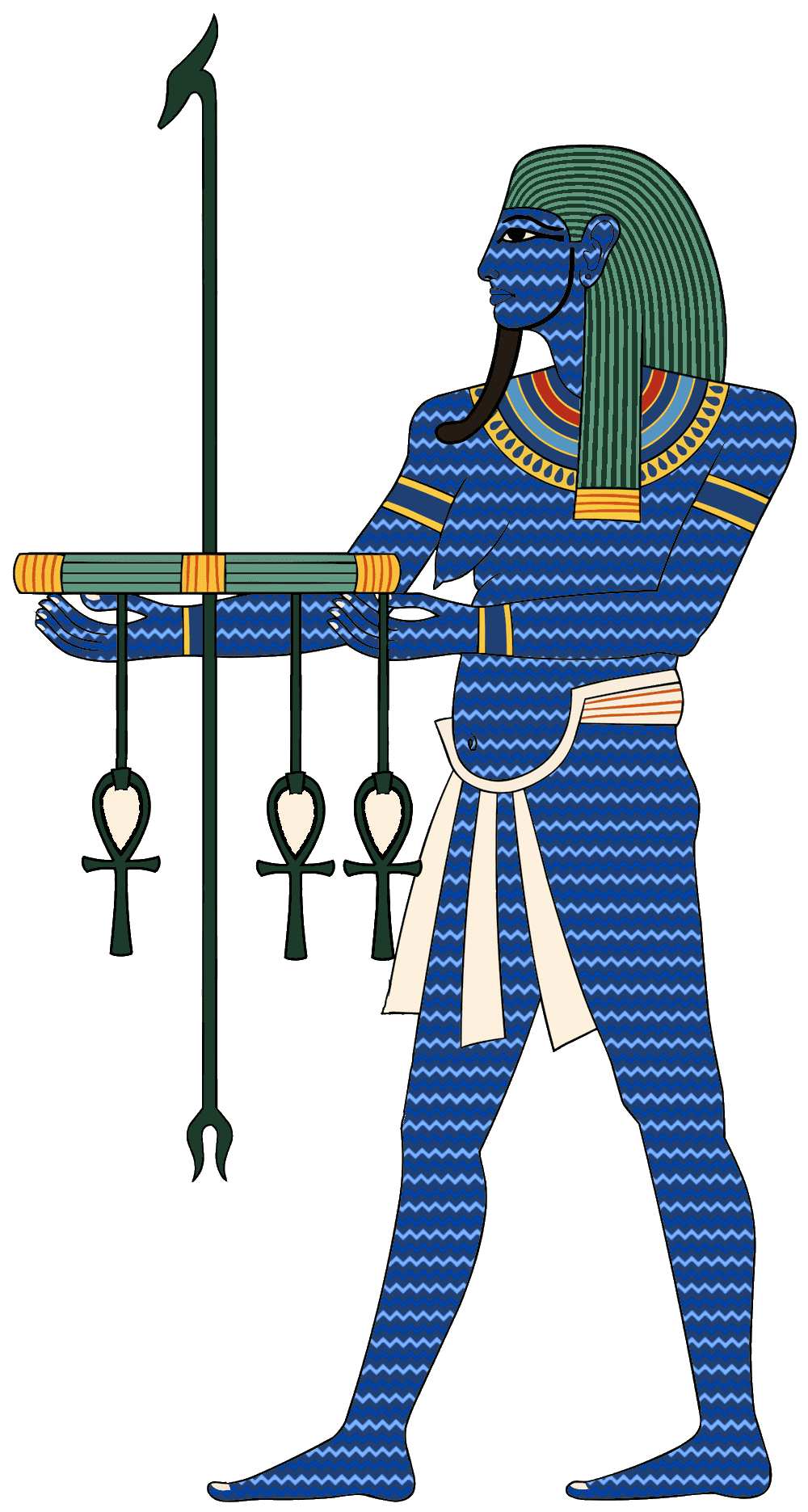
In the rich tapestry of Egyptian mythology, Wadj-wer holds a unique and significant position. Known primarily as the god of the green papyrus plant, Wadj-wer is often associated with the fertility of the Nile River and the lush vegetation that surrounds it. His name itself translates to “the green one,” which reflects the vitality and abundance that the papyrus symbolizes in the Egyptian landscape. The papyrus plant was not only crucial for the ecosystem but also played a vital role in the daily lives of the ancient Egyptians, as it was used for making paper, mats, and even boats. This connection to the papyrus and its importance in Egyptian culture is what makes Wadj-wer an intriguing figure in the pantheon of Egyptian gods.
The Symbolism of Wadj-wer
Wadj-wer is often depicted in ancient texts and art as a personification of the fertility and abundance of the Nile region. His representation is closely tied to the life-giving waters of the Nile, which were essential for agriculture and sustaining life in ancient Egypt. The green color associated with Wadj-wer symbolizes not only the lush vegetation but also the rebirth and renewal that the annual flooding of the Nile brought to the land. This cycle of flooding and growth was central to the Egyptian way of life, and Wadj-wer embodies that connection.
 Weneg
WenegMoreover, Wadj-wer is sometimes linked to the concept of protection. The papyrus plant, being a symbol of life, was believed to offer shelter and safety. This protective aspect is significant as it shows how the Egyptians viewed their gods as guardians of both the land and its people. Wadj-wer’s presence in the mythology highlights the importance of nature and the environment in the spiritual beliefs of ancient Egyptians. They recognized that their well-being was intertwined with the natural world, and gods like Wadj-wer served to reinforce this connection.
Wadj-wer and the Papyrus Plant
The papyrus plant, central to Wadj-wer’s identity, has a storied history in ancient Egypt. This plant was not just a symbol of fertility; it was also an essential resource for the people. The Egyptians used papyrus to create a variety of items, including paper, which was crucial for writing and record-keeping. The invention of papyrus paper allowed for the documentation of religious texts, legal contracts, and literature, thus playing a vital role in the administration and culture of ancient Egypt.
- Writing Material: Papyrus was used to create scrolls for writing.
- Construction: The sturdy stems of the papyrus plant were utilized in building boats and mats.
- Art and Decoration: Papyrus was also used in artistic endeavors, contributing to the decoration of temples and homes.
In addition to its practical uses, the papyrus plant held a spiritual significance. It was often associated with the idea of rebirth and was used in various rituals. The plant’s ability to thrive in the wetlands of the Nile made it a potent symbol of life and regeneration. Wadj-wer, as the god of the papyrus, represented not only the physical attributes of the plant but also its deeper meanings in the context of Egyptian spirituality.
 Unut
UnutCult and Worship of Wadj-wer
Although Wadj-wer may not be as widely recognized as other Egyptian deities, he still had a devoted following. The worship of Wadj-wer often took place in regions abundant with papyrus, particularly in the Delta area of Egypt. Rituals and offerings were made to honor him, particularly during times of planting and harvesting when the fertility of the land was of utmost importance. These practices reflected the agricultural calendar and the dependence of the Egyptians on the Nile’s annual floods.
Wadj-wer was often invoked during ceremonies that celebrated the arrival of the floodwaters, which were essential for irrigating crops. The people would offer items such as fruits, flowers, and even papyrus itself to show their gratitude for the blessings of fertility and abundance. Such rituals served to strengthen the bond between the people and their gods, reinforcing the belief that divine favor was essential for a bountiful harvest.
Artifacts and Iconography
 Tutu
TutuArtifacts depicting Wadj-wer are relatively rare, but they offer valuable insights into his role within the broader context of Egyptian mythology. In various inscriptions, he is shown alongside other deities, often emphasizing his connection to fertility and the natural world. The imagery associated with Wadj-wer typically features the papyrus plant prominently, symbolizing his dominion over this vital resource.
- Statues: Small statues of Wadj-wer have been found in temple ruins, often made from stone or clay.
- Reliefs: Wall carvings depicting Wadj-wer alongside agricultural scenes illustrate his importance in farming.
- Amulets: Amulets bearing the likeness of Wadj-wer were worn for protection and to ensure a good harvest.
These artifacts not only highlight Wadj-wer’s significance in the agricultural practices of ancient Egypt but also reflect the deep reverence that the Egyptians had for the forces of nature. The artistic representations of Wadj-wer and his association with the papyrus plant serve as a reminder of the interconnectedness of life, spirituality, and the environment in ancient Egyptian culture.
Wadj-wer in Comparison to Other Deities
In the vast Egyptian pantheon, Wadj-wer occupies a unique niche that sets him apart from more prominent gods like Osiris or Isis. While many gods were associated with specific aspects of life and the afterlife, Wadj-wer’s focus on the natural world, particularly the papyrus plant and its significance, gives him a distinct identity. His role as a god of fertility aligns him with other deities who share similar attributes, such as Hathor and Geb.
Hathor, for example, is known as the goddess of love, beauty, and fertility, often depicted with attributes that symbolize abundance. Similarly, Geb, the god of the earth, is associated with fertility and vegetation. While these deities are more widely recognized, Wadj-wer’s connection to the papyrus plant allows him to represent a specific aspect of the Egyptian landscape and agricultural life that is equally important.
The Interconnectedness of Egyptian Deities
One of the fascinating aspects of Egyptian mythology is the interconnectedness of its deities. Wadj-wer, while distinct in his focus, is often mentioned in conjunction with other gods. For instance, during the flooding of the Nile, various gods were invoked to ensure a successful harvest. This illustrates the way in which the ancient Egyptians understood the balance of nature and the importance of collaboration among their deities to maintain harmony.
- Osiris: As the god of the afterlife, Osiris was often associated with fertility and the cycles of nature.
- Isis: The goddess of motherhood and fertility, Isis is frequently linked with agricultural abundance.
- Thoth: The god of wisdom, Thoth played a role in the agricultural calendar, influencing planting and harvesting times.
This interconnectedness is a reflection of the ancient Egyptians’ holistic view of the world, where each element—be it a deity, a plant, or the river—played a crucial role in the larger system of life. Wadj-wer’s place within this network of gods reinforces the idea that every aspect of existence was sacred and worthy of reverence.
The Legacy of Wadj-wer
The legacy of Wadj-wer, though not as pronounced as that of other deities, remains significant in understanding the broader context of Egyptian mythology. His association with the papyrus plant serves as a reminder of the importance of the natural world in ancient Egyptian culture. The reverence for the papyrus, both as a practical resource and a symbol of fertility, underscores the Egyptians’ deep connection to their environment.
In modern times, the study of Wadj-wer and other lesser-known deities offers valuable insights into the complexities of Egyptian belief systems. Researchers continue to explore how these gods influenced the daily lives of the ancient Egyptians, particularly in agricultural practices. The reverence for Wadj-wer highlights the importance of nature and the cycles of life, themes that resonate even today as we navigate our own relationships with the environment.
Modern Interpretations and Cultural References
Today, Wadj-wer may not be a household name, but his influence can still be seen in various forms of popular culture and literature that draw inspiration from Egyptian mythology. The themes of fertility, nature, and the interconnectedness of life are prevalent in many modern works, reminding us of the lasting impact of these ancient beliefs. From films to books, the rich narratives of Egyptian mythology continue to captivate audiences and inspire new interpretations.
- Literature: Many authors have explored themes of ancient Egypt, often referencing lesser-known gods like Wadj-wer.
- Art: Contemporary artists draw upon Egyptian motifs, including symbols of fertility and nature.
- Education: Academic studies on Egyptian mythology include discussions of Wadj-wer, shedding light on his significance.
As we delve into the stories and symbols of ancient Egypt, Wadj-wer serves as a reminder of the rich and diverse tapestry of beliefs that shaped the lives of the people. His connection to the papyrus plant and the themes of fertility and protection continue to resonate, offering valuable lessons about the importance of nature and the divine forces that govern our world.