
In the realm of Egyptian mythology, the stories and beliefs surrounding the gods and goddesses are rich and complex. One of the fascinating figures in this mythology is Weneg, a lesser-known deity whose significance and attributes may not be as widely recognized as those of more prominent gods like Ra or Osiris. Weneg is often associated with the concepts of rebirth and protection. Understanding Weneg provides insight into the broader themes of life, death, and the afterlife that permeate Egyptian belief systems.

The Origins of Weneg
The origins of Weneg can be traced back to ancient Egypt’s rich tapestry of mythology. The name Weneg is often translated to mean “the one who is in the sky.” This title indicates a celestial aspect, suggesting that Weneg was revered as a god who had dominion over the heavens. Scholars believe that Weneg may have emerged during the Middle Kingdom period, a time when the mythology of ancient Egypt began to evolve significantly. Unlike major gods, Weneg’s worship was more localized, often found in specific regions of Egypt.
Weneg was typically depicted as a falcon or a man with a falcon head, symbolizing his connection to the sky and the divine. The falcon was a significant creature in Egyptian culture, representing the god Horus, who was also associated with kingship and the sky. This connection highlights the importance of avian symbolism in understanding the characteristics and roles of various deities in Egyptian mythology.
Attributes and Symbolism
Weneg embodies several key attributes that are essential in Egyptian mythology. One of his primary roles is as a protector of the deceased. In ancient Egyptian culture, protection in the afterlife was paramount, and deities like Weneg played a crucial role in ensuring safe passage to the afterlife. He was often invoked during funerary rituals, where his blessings were sought to guide the souls of the departed.
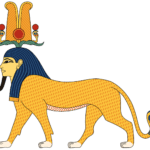 Tutu
TutuMoreover, Weneg symbolizes rebirth and regeneration. The cyclical nature of life and death was a central theme in Egyptian beliefs, and Weneg’s association with these concepts reflects the Egyptians’ understanding of the universe’s perpetual cycle. This connection to rebirth also tied Weneg to the annual flooding of the Nile, which brought fertility and renewal to the land. Thus, Weneg’s attributes encompass both the protective and the life-giving aspects of existence.
Worship and Rituals
The worship of Weneg, while not as widespread as that of other deities, included various rituals and practices that underscored his importance. Temples dedicated to Weneg were established in specific locales, often near burial sites where the deceased were interred. Rituals typically involved offerings of food, incense, and symbolic items to gain his favor and protection for the souls of the departed.
- Offerings: Worshippers would bring offerings of bread, beer, and fruits to honor Weneg.
- Incense: Burning incense was a common practice to create a sacred atmosphere during rituals.
- Prayers: Devotees recited prayers and hymns, asking for Weneg’s guidance in the afterlife.
Additionally, during the Wepet-Renpet festival, which celebrated the New Year, Weneg was honored alongside other deities. This festival emphasized themes of renewal and the cyclical nature of life, aligning perfectly with Weneg’s attributes. Participants would engage in various festivities, including feasting and rituals, to seek blessings for the year ahead.
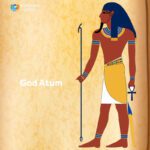 Tem
TemWeneg in Art and Literature
Weneg’s representation in ancient Egyptian art and literature is intriguing, although it is less extensive compared to more prominent gods. Artistic depictions often showcase him as a falcon or with falcon-like features, emphasizing his connection to the sky and divine protection. These images served not only as representations of the deity but also as reminders of the spiritual beliefs surrounding death and the afterlife.
In literature, Weneg is mentioned in various funerary texts, where his role as a protector is highlighted. The Book of the Dead, a collection of spells and prayers intended to assist the deceased in navigating the afterlife, often includes references to Weneg. These texts illustrate the belief that invoking Weneg could provide safety and guidance for souls as they journeyed through the underworld.
Connections to Other Deities
Weneg’s role in Egyptian mythology does not exist in isolation; rather, he is interconnected with various other deities. His relationship with gods such as Osiris and Horus illustrates the intertwined nature of Egyptian mythology. Osiris, the god of the afterlife and resurrection, shares thematic similarities with Weneg, particularly concerning the protection of souls. This connection emphasizes the collaborative roles of different deities in ensuring the well-being of the deceased.
Furthermore, Weneg’s association with Horus is significant. As a falcon-headed god, Horus embodies kingship and protection, similar to Weneg’s attributes. The merging of these divine roles reflects the importance of avian symbolism in conveying messages of power and protection within the mythology. Such connections enrich the understanding of Weneg’s place in the pantheon of Egyptian gods and goddesses.
Modern Interpretations of Weneg
In contemporary discussions of Egyptian mythology, Weneg is often overshadowed by more prominent figures. However, modern scholars and enthusiasts are beginning to recognize the importance of lesser-known deities like Weneg. Understanding his attributes and significance contributes to a more comprehensive view of ancient Egyptian beliefs. Weneg serves as a reminder that the mythology of ancient Egypt is not solely defined by the most famous gods but is a rich tapestry of various figures, each playing a crucial role.
Today, Weneg’s symbolism can be interpreted in various ways. Many people see him as a representation of the need for protection and guidance in challenging times. The idea of rebirth resonates with modern concepts of personal growth and transformation, making Weneg’s attributes relevant even in contemporary contexts. His story encourages individuals to seek protection and guidance as they navigate their life journeys.
Weneg is a captivating figure within the vast landscape of Egyptian mythology. His attributes of protection and rebirth reflect fundamental aspects of ancient Egyptian beliefs, emphasizing the significance of safeguarding souls in the afterlife. Through his connections with other deities and his representation in art and literature, Weneg’s importance becomes clearer. As modern interpretations of Egyptian mythology continue to evolve, the recognition of Weneg and his contributions to the mythological narrative serves as a valuable reminder of the complexity and richness of ancient beliefs.