
The ancient Egyptian mythology is filled with fascinating stories and characters that have captivated the imagination of many. One such figure is Tutu, a lesser-known deity who played a unique role in the pantheon of Egyptian gods and goddesses. Tutu is often depicted as a protective figure, embodying the qualities of both a warrior and a guardian. His representation and significance reveal much about the beliefs and values of ancient Egyptian culture. This article will delve into the life, attributes, and cultural impact of Tutu, exploring his importance in the rich tapestry of Egyptian mythology.
Origins of Tutu
The origins of Tutu can be traced back to the Late Period of ancient Egypt, around the 26th Dynasty. He was primarily known as a protective deity and was often associated with the afterlife and the realm of the dead. Tutu’s name is thought to mean “the one who protects,” highlighting his role as a guardian figure. Unlike many other Egyptian deities, Tutu does not have a well-documented mythological narrative, which makes his origins somewhat enigmatic.
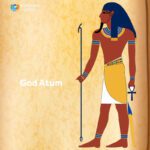 Tem
TemArchaeological findings suggest that Tutu was often invoked in funerary contexts, as he was believed to provide protection for the deceased in the afterlife. This role as a guardian made him an essential figure in the religious practices of the time. Tutu was also sometimes depicted in the company of other gods, such as Thoth and Anubis, who were also associated with the afterlife. These connections further emphasize his importance within the religious framework of ancient Egypt.
Depictions of Tutu
Tutu is often depicted in a unique manner that reflects his dual nature as both a warrior and a protector. He is commonly shown as a lion-headed figure, which symbolizes strength and power. This ferocious appearance indicates his role as a defender against evil forces that threaten the peace of the afterlife. In some representations, Tutu is shown wielding weapons, underscoring his warrior aspect.
In addition to his lion-headed form, Tutu is sometimes depicted with human features, often wearing the traditional attire of ancient Egyptian gods. This blending of human and animal characteristics is a common theme in Egyptian art, as it symbolizes the connection between the divine and the earthly realms. His images were frequently placed in tombs and funerary objects, indicating the belief that his presence could provide protection for the deceased.
 Tefnut
Tutu’s Role in Egyptian Religion
Tutu held a significant place in the religious practices of ancient Egyptians, particularly during the Late Period. His primary role was as a guardian of the underworld, where he was believed to protect the souls of the deceased from malevolent forces. This protective function was crucial, as the journey to the afterlife was fraught with dangers that could lead to the soul’s destruction.
In funerary texts, Tutu is often invoked alongside other deities, reinforcing his importance in the context of death and rebirth. For instance, he appears in spells and prayers aimed at ensuring a safe passage for the deceased. His presence in these texts signifies the belief that he could intercede on behalf of the dead, providing them with the necessary protection to navigate the challenges of the afterlife.
 Tefen
TefenWorship and Cult of Tutu
The worship of Tutu was not as widespread as that of other major deities, but he still had a dedicated following. His cult was primarily centered in memphis, one of the ancient capitals of Egypt. Here, rituals and offerings were made to Tutu, particularly in the context of funerary practices. Devotees believed that by honoring Tutu, they could secure his protection for themselves and their loved ones in the afterlife.
During religious ceremonies, priests would often invoke Tutu’s name, calling upon him to grant safety and security to the souls of the departed. These rituals were deeply rooted in the belief that the presence of Tutu could influence the outcome of the afterlife journey. His worship was characterized by a blend of traditional offerings, prayers, and invocations, all aimed at appeasing this powerful deity.
Tutu in Literature and Texts
While Tutu may not be as prominently featured in ancient Egyptian literature as other deities, references to him can be found in various texts, particularly those related to funerary practices. The Book of the Dead, a collection of spells and prayers designed to assist the deceased in the afterlife, includes invocations to Tutu. These texts illustrate the importance of Tutu in the belief system surrounding death and resurrection.
In these literary works, Tutu is often called upon to provide protection against the dangers of the underworld. His role as a guardian is emphasized through various spells that seek to invoke his power. These texts not only highlight Tutu’s significance in the afterlife but also reflect the broader themes of protection and security that permeate ancient Egyptian religious beliefs.
The Symbolism of Tutu
The symbolism associated with Tutu is rich and multifaceted. As a lion-headed deity, he embodies strength and courage, representing the fierce protection needed in the face of adversity. His role as a guardian of the afterlife also symbolizes the ancient Egyptians’ belief in the importance of safeguarding the soul during its journey. Tutu’s imagery serves as a reminder of the challenges that await in the afterlife and the need for protection against malevolent forces.
Moreover, Tutu’s dual nature as both a warrior and a protector reflects the complex relationship between life and death in ancient Egyptian thought. His presence in funerary contexts symbolizes the belief that death is not an end but rather a transition to another realm, where protection and guidance are essential. This duality underscores the ancient Egyptians’ deep understanding of the afterlife and their desire for security beyond death.
Influence of Tutu in Modern Culture
Despite being a lesser-known figure in Egyptian mythology, Tutu’s influence can still be felt in modern culture. His image and symbolism have been referenced in various forms of art, literature, and popular media. Artists and writers often draw inspiration from ancient Egyptian mythology, and Tutu’s unique characteristics make him an intriguing subject for exploration.
In contemporary interpretations of Egyptian mythology, Tutu is sometimes portrayed in a way that emphasizes his protective qualities. This modern representation often aligns with the original beliefs held by the ancient Egyptians, showcasing the enduring legacy of Tutu as a guardian figure. His presence in modern media serves as a reminder of the rich cultural heritage of ancient Egypt and the continuing fascination with its mythology.
Tutu, as a guardian deity in ancient Egyptian mythology, holds a unique place in the pantheon of gods and goddesses. His role as a protector in the afterlife, combined with his warrior attributes, reflects the values and beliefs of the ancient Egyptians. Through his depictions, worship, and symbolism, Tutu embodies the complexities of life, death, and the journey to the afterlife. As we continue to explore the rich tapestry of Egyptian mythology, Tutu remains an important figure, reminding us of the enduring legacy of this ancient civilization.