
Unut, also known as the “Weyr,” is a significant figure in Egyptian mythology. She is often depicted as a female deity associated with the hunt and the desert. Her name is believed to be derived from the ancient Egyptian word for “to hunt.” Unut is typically portrayed as a woman with the head of a jackal or as a jackal itself, symbolizing her connection to the wild and the untamed nature of the desert. The jackal is a creature commonly associated with the afterlife and is often linked to the god Anubis, who is the protector of the dead. This connection between Unut and the jackal highlights her role in both life and death within the Egyptian belief system.
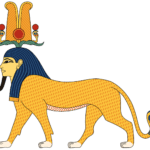
The Role of Unut in Egyptian Mythology
Unut plays a crucial role in the pantheon of Egyptian gods and goddesses. She is often seen as a protector of those who venture into the desert, ensuring their safety as they hunt or travel. In ancient Egypt, the desert was both a source of life and a place of danger, making Unut’s role as a guardian essential. Her protective nature is reflected in various myths where she helps hunters succeed in their quests. This aspect of her character emphasizes the importance of survival in the harsh desert environment.
Additionally, Unut is associated with fertility and abundance. The desert may seem barren, but it is home to various creatures and plants that thrive despite the harsh conditions. Unut embodies the idea that life can flourish even in the most challenging environments. This duality of life and death is a recurring theme in Egyptian mythology, where gods and goddesses often have multifaceted roles that reflect the complexities of existence.
Unut’s Symbolism
The symbolism of Unut is rich and varied. As a goddess of the hunt, she represents not only the physical act of hunting but also the spiritual journey one undertakes in pursuit of goals. Her jackal form signifies cunning and intelligence, traits essential for successful hunting. In many cultures, animals are often viewed as teachers, and Unut’s association with the jackal emphasizes the importance of learning from nature and understanding one’s environment.
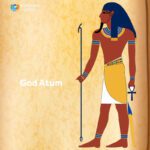 Tem
TemMoreover, Unut’s connection to the desert highlights the theme of transformation. The desert is a place of extremes, where life can flourish or perish. This duality mirrors the human experience, where challenges can lead to growth and change. Unut’s presence in myths serves as a reminder that even in adversity, there is potential for strength and resilience. Her symbolism encourages individuals to embrace their challenges and learn from them, much like the creatures that thrive in the desert.
Worship and Rituals
In some regions of Egypt, particularly in the desert areas, shrines dedicated to Unut were established. These shrines served as places for worship and reflection, allowing people to connect with the goddess and seek her favor. Rituals may have included dances and songs that celebrated the hunt, emphasizing the importance of community and cooperation in achieving success. The act of gathering to honor Unut reinforced social bonds and highlighted the shared reliance on the desert’s resources.
 Tefnut
Unut and Other Deities
Unut’s relationship with other deities in the Egyptian pantheon is intriguing. One of her closest associations is with Anubis, the god of the afterlife. Both deities share a connection to the jackal, and their roles often intersect in myths. While Anubis is primarily concerned with the dead and the afterlife, Unut focuses on the living and their journey through life. Together, they represent the cyclical nature of existence, where life and death are intertwined.
Additionally, Unut is sometimes linked to the goddess Hathor, who is associated with motherhood, love, and joy. Hathor’s nurturing qualities complement Unut’s protective nature, creating a balance between care and strength. This relationship highlights the importance of both nurturing and safeguarding in the lives of individuals. The interplay between these deities reflects the complexities of human experiences and the various forces that shape them.
Unut in Art and Literature
Unut’s presence in ancient Egyptian art and literature is relatively limited compared to more prominent deities. However, she can still be found in various artifacts and inscriptions that celebrate her role as a protector and goddess of the hunt. In some tomb paintings, she is depicted alongside hunters, symbolizing her guidance and support in their endeavors. These artistic representations serve as a testament to her importance in the lives of those who sought her favor.
Literature from ancient Egypt often includes references to Unut, highlighting her significance in the cultural narrative. Myths and stories that feature her may emphasize themes of survival, resilience, and the balance between life and death. These narratives serve as a means of understanding the world and the forces that govern it, providing insights into the values and beliefs of ancient Egyptians.
Modern Interpretations of Unut
In contemporary times, Unut’s figure has seen a resurgence in interest, particularly among those fascinated by ancient Egyptian mythology. Modern interpretations often explore her symbolism and the lessons that can be drawn from her character. The themes of survival, resilience, and the interconnectedness of life and death resonate with many individuals today, making Unut a relevant figure in discussions about personal growth and overcoming challenges.
Furthermore, Unut’s representation as a goddess of the hunt has inspired various artistic expressions, from literature to visual arts. Artists often draw on her imagery to convey messages about nature, the environment, and the importance of respecting the wild. This modern engagement with Unut’s legacy reflects a growing awareness of the need to connect with nature and the lessons it offers.
Unut, the goddess of the hunt and protector of the desert, remains an intriguing figure in Egyptian mythology. Her rich symbolism and multifaceted roles highlight the complexities of existence, survival, and the balance between life and death. As a protector and guide, she embodies the spirit of resilience and the importance of learning from nature. Through her associations with other deities and her presence in art and literature, Unut continues to inspire and resonate with people today.