
Theseus is one of the most celebrated heroes in Greek mythology. His adventures and feats have been recounted through various ancient texts, and he remains a significant figure in the study of ancient Greek culture. Theseus is often depicted as a symbol of strength, bravery, and intelligence. His stories encompass a variety of themes, including heroism, love, betrayal, and the struggle between civilization and chaos. This article will explore the life, adventures, and legacy of Theseus in detail.
Birth and Early Life
Theseus was born to Aethra, the daughter of King Pittheus of Troezen. His father was Aegeus, the King of Athens, who had visited Troezen seeking guidance about his future. According to the legend, Aegeus left behind a sword and sandals under a large rock, instructing Aethra that their son would come to claim them when he was old enough. This early act foreshadows Theseus’s future as a hero and a rightful king. The story of his birth is important as it highlights the themes of destiny and identity that will follow him throughout his life.
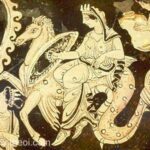 Thetis
As Theseus grew, he displayed remarkable strength and intelligence. He was not only a physically strong young man but also possessed a keen mind. His upbringing in Troezen equipped him with the skills necessary to face the challenges ahead. When he reached the age of adulthood, he decided to travel to Athens to meet his father, Aegeus. This journey was significant as it marked the beginning of his heroic adventures and his quest for identity. Theseus’s early life sets the stage for the numerous challenges he would face in the future.
The Journey to Athens
The journey from Troezen to Athens was fraught with danger and challenges. Theseus chose to travel by land instead of taking the safer sea route. This decision was pivotal as it allowed him to encounter various villains and monsters that he would eventually defeat. Along the way, Theseus faced several notorious bandits, each representing a different threat to travelers. One of the most famous encounters was with the bandit Procrustes, who was known for his cruel practice of stretching or cutting his victims to fit a bed. Theseus cleverly defeated Procrustes by using his own methods against him, showcasing his intelligence and strength.
During this journey, Theseus also met other characters who would influence his life. Each encounter not only tested his physical abilities but also his moral character. These challenges helped to shape Theseus into a hero who was not just strong but also wise and just. His journey to Athens was not merely a physical trek; it was a transformative experience that prepared him for his future role as a leader. The way Theseus handled these challenges laid the groundwork for his reputation as a hero in Greek mythology.
 Titans
Arrival in Athens
Upon arriving in Athens, Theseus faced a new set of challenges. He discovered that his father, Aegeus, was unaware of his existence. Aegeus was in a precarious situation due to the threat posed by King Minos of Crete. Minos demanded tribute from Athens, sending seven young men and seven young women to be sacrificed to the Minotaur, a monstrous creature that lived in the Labyrinth. Upon learning of this situation, Theseus volunteered to be one of the tributes, determined to confront the Minotaur and end the cycle of terror.
Theseus’s decision to volunteer was a significant turning point in his life. It demonstrated his bravery and willingness to sacrifice for the greater good. Upon arriving in Crete, he met Ariadne, the daughter of King Minos. Ariadne fell in love with Theseus and provided him with a ball of thread to help him navigate the Labyrinth. This act of love and loyalty played a crucial role in Theseus’s success. The story of Theseus and Ariadne highlights the themes of love, sacrifice, and the importance of alliances in the face of adversity.
The Labyrinth and the Minotaur
The Labyrinth, designed by the skilled craftsman Daedalus, was an intricate maze that housed the Minotaur. This creature, half-man and half-bull, was a fearsome beast that represented the chaos and violence of unchecked power. When Theseus entered the Labyrinth, he used the thread given to him by Ariadne to find his way back after confronting the Minotaur. This clever use of the thread symbolizes the importance of strategy and planning in overcoming seemingly insurmountable obstacles.
 Titanides
In a fierce battle, Theseus ultimately defeated the Minotaur, ending the tribute to Crete and freeing Athens from its burden. His victory was celebrated and marked a significant moment in Greek mythology. Theseus’s triumph over the Minotaur is often interpreted as a metaphor for the struggle between civilization and barbarism. The Labyrinth itself can be seen as a representation of the complex challenges that one must navigate in life. Theseus emerged as a hero, not just for his physical strength but also for his cleverness and determination.
The Return to Athens
After defeating the Minotaur, Theseus escaped the Labyrinth with Ariadne and the other tributes. However, on their journey back to Athens, Theseus abandoned Ariadne on the island of Naxos. This act has been the subject of much debate and interpretation in the context of Greek mythology. Some view it as a betrayal, while others see it as a necessary sacrifice for Theseus’s greater destiny. Regardless of the interpretation, this event highlights the complexities of love and loyalty in Theseus’s life.
Upon returning to Athens, Theseus was greeted as a hero. However, he faced a tragic turn of events. In his excitement to return home, he forgot to change the sails of his ship from black to white. Aegeus, seeing the black sails, believed that his son had died in the Labyrinth and tragically threw himself into the sea, leading to his death. This event is significant as it emphasizes the theme of fate and the unforeseen consequences of one’s actions. Theseus’s return to Athens marked the beginning of his reign, but it was overshadowed by the loss of his father.
The Reign of Theseus
After the death of Aegeus, Theseus became the King of Athens. His reign was marked by numerous accomplishments, including the unification of the surrounding tribes into a single city-state. This unification was crucial in establishing Athens as a powerful city in ancient Greece. Theseus is often credited with introducing democratic principles, making him a revered figure in Athenian history. His leadership style emphasized the importance of community and cooperation, which resonated with the values of the Athenian people.
During his reign, Theseus also undertook various adventures that solidified his status as a hero. He participated in the Argonauts’ quest for the Golden Fleece, showcasing his commitment to noble causes. His adventures often involved confronting challenges that tested his strength and wisdom. Theseus’s reign was characterized by his dedication to justice and his willingness to protect the vulnerable. He became a symbol of hope and resilience for the people of Athens, embodying the ideals of a true hero.
Adventures and Challenges
Theseus’s life was filled with numerous adventures that highlighted his bravery and cleverness. One of the most notable events was his participation in the Trojan War. Although he did not play a central role in the war, his involvement demonstrated his commitment to the greater good. He allied with other Greek heroes, showcasing the importance of unity in the face of adversity. The Trojan War was a significant event in Greek mythology, and Theseus’s participation reflects his status as one of the great heroes of the time.
Another significant challenge Theseus faced was his encounter with the Amazons, a tribe of fierce female warriors. Theseus’s interaction with the Amazons is often depicted as a battle of strength and strategy. He managed to capture their queen, Hippolyta, and brought her back to Athens. This union is symbolic of the blending of different cultures and the idea that strength can take many forms. The stories of Theseus’s encounters with the Amazons illustrate the complexities of gender roles in Greek mythology and the fluidity of power dynamics.
Relationships and Legacy
Theseus’s relationships with women were complex and often fraught with challenges. His most famous relationship was with Ariadne, but he also had other significant romantic entanglements. One of his notable relationships was with Phaedra, the daughter of King Minos. Their relationship ended tragically, as Phaedra fell in love with Theseus’s son, Hippolytus, leading to a series of misunderstandings and ultimately tragedy. This story emphasizes the themes of love, betrayal, and the consequences of desire in Greek mythology.
Theseus’s legacy is multifaceted. He is remembered as a hero who faced numerous challenges with courage and intelligence. His adventures have been recounted in various forms of art and literature, influencing countless generations. The stories of Theseus continue to resonate with audiences today, serving as a reminder of the timeless themes of heroism, love, and sacrifice. Theseus’s life exemplifies the qualities that define a hero, making him a central figure in the study of Greek mythology.
Conclusion: The Enduring Impact of Theseus
Theseus remains an enduring figure in Greek mythology and culture. His stories are not only entertaining but also offer valuable lessons about bravery, intelligence, and the complexities of human relationships. The legacy of Theseus continues to inspire modern interpretations in literature, art, and popular culture. His character serves as a reminder of the struggles and triumphs that define the human experience, making him a timeless hero whose impact transcends the ages.