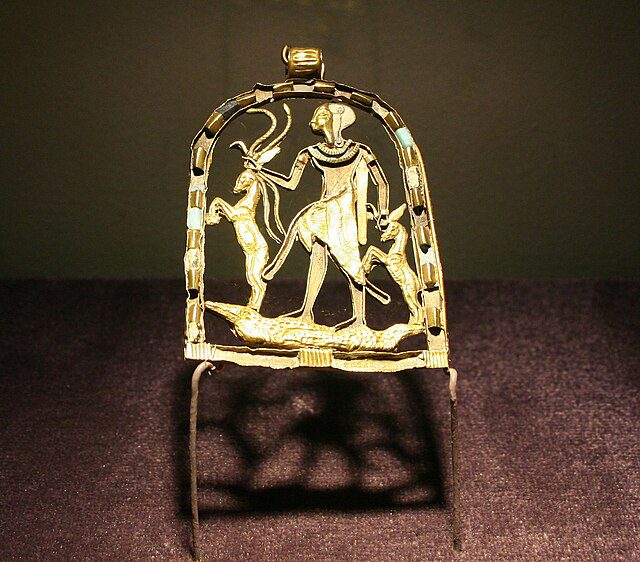
The concept of Shed in Egyptian mythology is fascinating and complex. Shed is often depicted as a protective deity, associated with the concepts of protection, healing, and strength. His role in ancient Egyptian culture was significant, especially during times of conflict or illness. Shed was believed to provide safety and support to those who sought his aid. This article will explore the various aspects of Shed, including his origins, attributes, and the rituals associated with him.
Origins of Shed
Shed’s origins can be traced back to the early periods of ancient Egyptian civilization. He is often associated with the Horus and Set mythologies, where he plays a role in the eternal struggle between good and evil. Shed is sometimes referred to as the son of Osiris and Isis, although his parentage is not universally agreed upon in ancient texts. This ambiguity reflects the fluid nature of Egyptian mythology, where deities could have multiple identities and roles.
 Set
SetAs a protective deity, Shed was often invoked during battles. Soldiers would pray to him for strength and safety, believing that he would grant them victory and protect them from harm. This aspect of Shed highlights the ancient Egyptians’ reliance on divine intervention in their daily lives and their understanding of the world around them. The connection between Shed and warfare made him an important figure in military contexts.
Attributes and Symbolism
Shed is typically depicted as a man with a lion’s head, symbolizing his strength and protective qualities. The lion was a powerful symbol in ancient Egypt, representing bravery and ferocity. In addition to his lion’s head, Shed is often shown with a spear or a staff, further emphasizing his warrior aspect. This imagery served to reinforce the idea that he was a deity who could provide both physical and spiritual protection to his followers.
One of the most significant symbols associated with Shed is the scarab. The scarab beetle was a powerful symbol of regeneration and protection in ancient Egypt. By associating Shed with the scarab, the ancient Egyptians conveyed the idea that he could offer not only physical safety but also spiritual renewal. This duality of protection and regeneration made Shed a multifaceted deity, appealing to a wide range of worshippers.
 Sesmu
SesmuWorship and Rituals
The worship of Shed involved various rituals and offerings. Devotees would often bring food, incense, and symbols of strength to his temples. These offerings were intended to gain his favor and ensure his protection. Rituals could involve prayers, songs, and dances, all designed to invoke Shed’s presence and power. The performance of these rituals was believed to create a direct connection between the worshippers and the divine.
During times of war or crisis, special ceremonies would be held in honor of Shed. These ceremonies often included sacrifices and public displays of devotion. The community would come together to pray for Shed’s intervention, believing that their collective faith would amplify his protective powers. Such events were not only religious in nature but also served to strengthen social bonds within the community.
Shed in Egyptian Literature
Shed’s presence in Egyptian literature is notable, as he appears in various texts, including mythological tales and religious hymns. These writings provide insight into how the ancient Egyptians viewed Shed and his role in their lives. Many texts highlight his protective qualities, depicting him as a guardian figure who intervenes in times of need.
 Seshat
One of the most famous references to Shed can be found in the Pyramid Texts, where he is invoked for protection during the afterlife journey. These texts emphasize the belief that Shed could aid the deceased in navigating the challenges of the underworld. This association with the afterlife further underscores the importance of Shed as a protective figure in both life and death.
The Legacy of Shed
Even after the decline of ancient Egyptian civilization, the legacy of Shed continued to influence later cultures. His attributes of protection and strength were adopted by various groups, who saw value in his qualities. The concept of divine protection became a central theme in many religions that followed, reflecting the enduring nature of Shed’s influence.
Modern interpretations of Shed often focus on his role as a protector. Many people today still seek out symbols of strength and protection in their lives, drawing inspiration from ancient deities like Shed. This ongoing interest in Shed reflects a broader fascination with ancient Egyptian mythology and its relevance to contemporary life.
Shed in Modern Culture
The figure of Shed has found its way into modern culture, appearing in various forms of media, including literature, art, and film. Artists and writers often draw upon the rich imagery and symbolism associated with Shed, creating new interpretations of this ancient deity. These modern portrayals often emphasize his protective qualities, resonating with audiences who seek strength and safety in their own lives.
In addition to artistic representations, Shed has also been incorporated into modern spiritual practices. Some people look to ancient Egyptian deities for guidance and inspiration, incorporating Shed into their personal rituals. This revival of interest in Shed reflects a growing fascination with ancient wisdom and the timeless themes of protection and strength.
Shed is a compelling figure in Egyptian mythology, representing the qualities of protection, strength, and healing. His rich symbolism and attributes have left a lasting impact on both ancient and modern cultures. The rituals and worship associated with Shed highlight the ancient Egyptians’ deep connection to their deities and their reliance on divine intervention in their lives. As we explore the legacy of Shed, we gain insight into the enduring nature of mythology and its relevance to our own experiences.