
The Titanides, also known as the Titans, play a crucial role in Greek mythology. They are often depicted as powerful deities who ruled during the legendary Golden Age. The Titanides are typically considered to be the children of Uranus (the sky) and Gaia (the earth). This lineage makes them an essential part of the creation myths in ancient Greece. Unlike the later Olympian gods, the Titanides represent an earlier order of divine beings. Their stories are filled with themes of power, conflict, and the struggle for dominance among the gods.
The Origin of the Titanides
The origin of the Titanides is deeply intertwined with the creation of the universe in Greek mythology. According to myth, Uranus and Gaia gave birth to twelve original Titans. These Titans include notable figures such as Chronos, Rhea, Oceanus, and Hyperion. Each Titan was associated with different aspects of the world, such as time, fertility, and the sea. Their birth represents the emergence of order from chaos, a central theme in many creation myths.
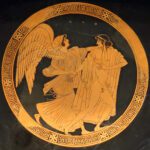 Tithonus
The Titans were not just gods of natural elements; they also embodied various concepts and principles. For instance, Coeus represented intellect and the axis of heaven, while Crius symbolized the ram and was associated with the constellations. This diversity among the Titanides highlights the complexity of ancient Greek thought regarding divinity and the natural world.
The Reign of the Titanides
The Titanides ruled during a time known as the Golden Age, a period characterized by peace, prosperity, and harmony. During this era, humans lived in blissful ignorance, free from the burdens of labor and strife. The Titanides were seen as benevolent rulers who cared for humanity. They provided resources and maintained balance in the world. This idyllic time, however, was not to last.
The rule of the Titanides came to an end due to their conflict with the younger generation of gods, the Olympians. This conflict was primarily led by Zeus, who sought to overthrow his father, Chronos, and the other Titans. This struggle for power culminated in the Titanomachy, a significant war between the Titans and the Olympians that ultimately reshaped the divine hierarchy.
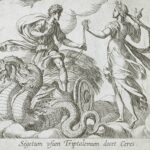 Triptolemus
The Titanomachy: The War of the Titans
The Titanomachy was a legendary battle that lasted for ten years. It was marked by intense conflict and significant casualties on both sides. The Olympians, led by Zeus, were determined to dethrone the Titans and establish their reign. The Titans, confident in their strength and experience, fought fiercely to maintain their power. This epic struggle is one of the most famous tales in Greek mythology.
One of the key factors in the outcome of the Titanomachy was the support that the Olympians received from Gaia, the mother of the Titans. Displeased with the Titans’ rule, she aided Zeus and his siblings by providing them with powerful weapons and allies. This alliance shifted the balance of power, leading to the eventual defeat of the Titans.
Key Events of the Titanomachy
- Zeus’s Alliance with Gaia: Gaia’s support was crucial for the Olympians.
- Use of Powerful Weapons: The Olympians wielded formidable weapons, including Zeus’s thunderbolts.
- The Defeat of Cronos: The overthrow of Cronos marked the end of the Titan’s reign.
- Imprisonment in Tartarus: Many Titans were imprisoned in Tartarus, a deep abyss used as a dungeon of torment.
The Aftermath of the Titanomachy
After their defeat, the Titanides faced dire consequences. Most of them were imprisoned in Tartarus, a dark and gloomy place far beneath the earth. This imprisonment served as a punishment for their rebellion against the Olympians. The defeat of the Titans marked a significant shift in the power dynamics of the Greek pantheon. The Olympians, led by Zeus, became the new rulers of the cosmos.
 Triton
Despite their downfall, the Titanides continued to hold a significant place in mythology. They were often invoked in various myths and stories, symbolizing the primal forces of nature and the universe. The stories of the Titanides serve as a reminder of the cyclical nature of power and the ever-changing dynamics among the gods.
Notable Titanides
Among the Titanides, several figures stand out due to their unique attributes and stories. Each of these Titans had a specific domain or aspect of life they were associated with, which contributed to their importance in mythology.
Chronos, often confused with the personification of time, was one of the most significant Titans. He was the father of many Olympian gods and played a critical role in the succession myth. His fear of being overthrown led him to swallow his children, a fate that ultimately brought about his downfall.
Rhea, the sister and wife of Chronos, is another notable Titan. She is often associated with fertility and motherhood. Rhea’s cleverness and bravery were highlighted when she saved her youngest son, Zeus, from being swallowed by Chronos. She hid him in a cave and gave Chronos a stone wrapped in swaddling clothes instead, which allowed Zeus to grow up in secret.
Other Important Titanides
- Oceanus: God of the ocean, representing the vast and unending sea.
- Hyperion: Titan of light, often associated with the sun and the heavenly bodies.
- Theia: Goddess of sight and the shining sky, often considered the mother of the sun, moon, and dawn.
- Mnemosyne: Titaness of memory and the mother of the Muses.
The Legacy of the Titanides
The Titanides have left a lasting legacy in both literature and art. Their stories have been retold through various mediums, including plays, poems, and visual arts. The themes of power, conflict, and the consequences of ambition found in the tales of the Titanides resonate with audiences even today.
In literature, the Titanides are often used as symbols of the struggle between the old and the new. They represent the challenges that come with change and the inevitable cycle of rise and fall in power. These themes can be seen in works from ancient Greek playwrights to modern authors who draw inspiration from mythology.
Modern Interpretations of the Titanides
In contemporary culture, the Titanides continue to inspire various forms of media, including movies, television shows, and books. Their stories are often reimagined to explore modern themes, such as identity, family dynamics, and the nature of power. Many adaptations focus on the relationships between the Titanides and the Olympians, highlighting the complexities of their interactions.
For example, popular fantasy series often draw parallels between the Titanides and characters in their own narratives, exploring themes of rebellion and redemption. The rich tapestry of the Titanides’ stories provides a wealth of material for creators to adapt and reinterpret, ensuring that their legacy endures in modern storytelling.
The Titanides in Popular Culture
The influence of the Titanides can also be seen in various aspects of popular culture. They are frequently referenced in movies, video games, and comic books. Their character traits and stories often serve as archetypes for larger-than-life figures who embody both power and vulnerability.
Movies that delve into Greek mythology often include references to the Titanides, portraying them as formidable beings who shape the destinies of gods and mortals alike. This portrayal helps to keep the ancient myths alive, allowing new generations to connect with these timeless stories.
Examples in Popular Culture
- Movies: Films like “Clash of the Titans” and “Immortals” feature elements of Titan mythology.
- Books: Novels such as “Percy Jackson and the Olympians” introduce younger audiences to the Titanides.
- Video Games: Games like “God of War” incorporate Titan characters and themes.
- Television Shows: Series like “Hercules: The Legendary Journeys” explore the lives of the Titans.
The Titanides in Art and Literature
Throughout history, the Titanides have been depicted in various forms of art, including sculpture, painting, and pottery. These artistic representations often capture the grandeur and power of the Titans, showcasing their significance in ancient Greek culture. Many artists have drawn inspiration from the dramatic tales of the Titanides, illustrating their conflicts and relationships with other gods.
In literature, the Titanides have been the subject of numerous poems and stories. Ancient poets such as Hesiod and Homer wrote about the Titanides, preserving their myths for future generations. Their works highlight the characteristics and roles of these deities, contributing to our understanding of Greek mythology.
The Titanides in Philosophy
The Titanides have also influenced philosophical thought throughout history. Ancient philosophers often used the stories of the Titans to explore concepts of power, morality, and the nature of the universe. The struggles between the Titans and the Olympians can be seen as allegories for the human condition, reflecting the complexities of existence and the pursuit of knowledge.
For example, the Titanides’ defeat can symbolize the triumph of reason over chaos, a theme that resonates with many philosophical traditions. The narratives surrounding the Titanides provide rich material for discussions about ethics, governance, and the nature of divinity.
Conclusion: The Enduring Legacy of the Titanides
The Titanides, with their powerful narratives and complex relationships, remain a vital part of Greek mythology. Their stories continue to captivate audiences, inspiring a range of artistic and literary interpretations. The themes of power, conflict, and transformation found in their myths resonate with universal human experiences, ensuring that the Titanides will be remembered for generations to come.