
Thetis is a significant figure in Greek mythology, known primarily for her role as a sea goddess and the mother of the great hero Achilles. She embodies various aspects of femininity and power, representing the depths of the sea and the nurturing qualities of motherhood. The stories surrounding Thetis are rich and varied, highlighting her importance in ancient Greek culture and literature. Her character appears in many myths and plays a crucial role in the events of the Trojan War, showcasing her influence on both gods and mortals alike.
The Origins of Thetis
Thetis was one of the fifty Nereids, the daughters of Nereus, the old man of the sea, and Doris, an Oceanid. Each Nereid was known for her unique beauty and grace, and Thetis was no exception. According to myth, she was born in the depths of the ocean and possessed the ability to change her shape at will. This power not only made her a formidable figure among the gods but also served as a metaphor for the unpredictable nature of the sea. Her origins highlight the connection between divinity and the natural world, illustrating how the ancient Greeks perceived the forces of nature as being intertwined with their mythology.
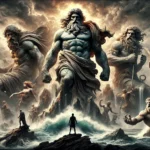 Titans
Thetis’s lineage is significant as it places her among the divine beings who had direct connections to the Olympian gods. Her father, Nereus, was known for his wisdom and prophetic abilities, while her mother, Doris, represented the nurturing aspect of the ocean. This heritage endowed Thetis with both wisdom and a deep understanding of the world around her, allowing her to navigate the complexities of her relationships with gods and mortals.
The Marriage of Thetis and Peleus
One of the most notable events in Thetis’s life was her marriage to Peleus, a mortal king. This union was orchestrated by the gods, who wanted to prevent a prophecy that foretold Thetis would bear a son greater than his father. To avoid this fate, Zeus arranged for Thetis to marry Peleus, believing that a mortal husband would diminish the potential of their offspring. The wedding was a grand affair attended by many gods and goddesses, and it served as a crucial moment in mythological history.
The wedding of Thetis and Peleus was not without its complications. The infamous golden apple, inscribed with “to the fairest,” was thrown by Eris, the goddess of discord, leading to a series of events that ultimately resulted in the Trojan War. Thetis, in her desire to protect her son Achilles, played a significant role in these events, showcasing her fierce maternal instincts and the lengths she would go to ensure his safety and success.
 Titanides
Thetis and Achilles
Achilles, the greatest hero of the Trojan War, was the son of Thetis and Peleus. His destiny was shaped by his mother’s divine nature, and she took great care to prepare him for his future. One of the most famous myths involving Thetis is the story of how she attempted to make Achilles invulnerable. According to legend, she dipped him in the River Styx, which granted him protection. However, she held him by his heel, leaving that part of his body vulnerable, leading to the term “Achilles’ heel” in modern language.
Thetis’s relationship with Achilles is a complex one. She is both a nurturing mother and a fierce protector, often intervening in his life to guide him. When Achilles withdrew from battle due to a dispute with Agamemnon, Thetis played a crucial role in appealing to Zeus to tip the scales of war in favor of the Trojans. This act not only highlights her influence over the gods but also emphasizes the deep bond between mother and son, showcasing her desire to see Achilles achieve greatness, even at the cost of her own emotional turmoil.
Thetis’s Role in the Trojan War
Thetis’s involvement in the Trojan War is one of the most significant aspects of her character. As the mother of Achilles, she was deeply invested in the outcome of the war and the fate of her son. When Achilles refused to fight after his honor was insulted by Agamemnon, Thetis sought the intervention of Zeus to ensure that the Greeks would suffer losses without him. This action set in motion a series of events that would lead to the eventual downfall of many heroes, illustrating the far-reaching consequences of divine influence in human affairs.
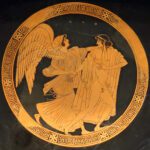 Tithonus
Throughout the war, Thetis’s actions reveal her dual nature as both a nurturing mother and a powerful deity. She often intervened in battles, providing her son with divine armor crafted by Hephaestus, the god of fire and craftsmanship. This armor not only protected Achilles but also symbolized the connection between Thetis’s divine heritage and her son’s heroic status. Her presence in the war serves as a reminder of the close ties between the mortal realm and the divine, as well as the impact of maternal love on the course of human events.
Thetis in Literature
Thetis appears in various works of ancient Greek literature, most notably in Homer’s Iliad. Her character is depicted as a loving and protective mother, fiercely dedicated to her son Achilles. The epic poem explores the themes of honor, fate, and the consequences of pride, with Thetis’s influence woven throughout the narrative. Her interactions with the gods and her son highlight the complex relationships that exist within the mythological framework.
In addition to the Iliad, Thetis is referenced in other literary works, such as Ovid’s Metamorphoses and Apollonius of Rhodes’ Argonautica. These texts further explore her character and the implications of her divine nature. Thetis’s presence in literature serves to emphasize the importance of female figures in mythology, showcasing their power and influence over the destinies of both gods and mortals.
Thetis’s Legacy
The legacy of Thetis extends beyond her immediate role in the myths of Achilles and the Trojan War. As a representation of the sea and its mysteries, she embodies the feminine power associated with nature and the unknown. Thetis is often depicted as a nurturing figure, emphasizing the importance of motherhood and the sacrifices that come with it. Her character serves as a reminder of the strength and resilience of women in mythology, showcasing their ability to shape the course of events through love and determination.
Moreover, Thetis’s story reflects the ancient Greeks’ understanding of the interplay between fate and free will. While she possesses divine powers, her actions are often driven by her desire to protect her son and ensure his success. This duality highlights the complexity of her character, making her one of the more relatable figures in Greek mythology. Thetis’s legacy continues to inspire modern interpretations of myth, as her story resonates with themes of love, sacrifice, and the struggle for identity.
Thetis in Art and Culture
Thetis has been a popular subject in various forms of art throughout history. From ancient pottery to Renaissance paintings, her image has been depicted in numerous ways, often highlighting her connection to the sea and her role as a mother. Artists have sought to capture the essence of her character, illustrating the balance between beauty and power that she represents. The themes of transformation and the duality of her nature are often explored in these artistic interpretations, showcasing her significance in both mythology and culture.
In modern times, Thetis continues to be referenced in literature, theater, and film. Her character has inspired countless adaptations and retellings of the myths surrounding Achilles and the Trojan War. These contemporary interpretations often focus on her maternal instincts and the emotional complexities of her relationships, bringing a new depth to her character. Thetis remains a symbol of strength and resilience, resonating with audiences across generations.
The Significance of Thetis in Greek Mythology
Thetis’s significance in Greek mythology cannot be overstated. As a powerful sea goddess and the mother of one of the greatest heroes, she represents the intersection of divinity and humanity. Her actions and decisions have far-reaching consequences, shaping the course of events in the Trojan War and beyond. Thetis embodies the complexities of female power, showcasing both nurturing qualities and formidable strength.
Her character serves as a reminder of the intricate relationships between gods and mortals, highlighting the ways in which divine influence can shape human destiny. Thetis’s story also emphasizes the importance of maternal love and sacrifice, illustrating how these themes resonate throughout mythology. As a figure who navigates the challenges of both her divine nature and her role as a mother, Thetis remains a compelling and relatable character in the rich tapestry of Greek mythology.