
Aspelenie is a fascinating figure in Lithuanian mythology, often associated with the natural world and the mysteries it holds. This mythological character is deeply rooted in the beliefs and traditions of the Lithuanian people, reflecting their connection to nature and the spiritual world. Aspelenie embodies various aspects of life, including fertility, the changing seasons, and the cycles of nature. The stories surrounding Aspelenie often emphasize the importance of respecting nature and the consequences of disregarding its balance.
The Origins of Aspelenie
The origins of Aspelenie can be traced back to ancient Lithuanian folklore, where deities and spirits were believed to inhabit the natural landscape. Aspelenie is often depicted as a goddess or spirit of the forest, representing the life force present in all living things. According to legend, she is a protector of the woods and a guardian of the creatures that dwell within them. This connection to the forest highlights the importance of nature in Lithuanian culture, where forests are seen as sacred spaces filled with wisdom and magic.
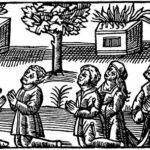 Alka
AlkaIn many stories, Aspelenie is portrayed as a benevolent figure who aids those who respect the environment. She is known to bless farmers with bountiful harvests and guide lost travelers through the woods. Her presence is often felt during the changing seasons, particularly in spring when nature awakens and blossoms. The symbolism of rebirth and renewal associated with Aspelenie resonates deeply with the agricultural practices of the Lithuanian people, who rely on the cycles of nature for their livelihood.
Aspelenie’s Role in Lithuanian Culture
Aspelenie plays a significant role in Lithuanian culture, particularly in traditional celebrations and rituals. She is often invoked during spring festivals, where people gather to celebrate the arrival of warmer weather and the renewal of life. These celebrations are marked by various customs, such as dancing, singing, and making offerings to the goddess. Participants believe that honoring Aspelenie will ensure a prosperous growing season and a good harvest.
One of the most important aspects of Aspelenie’s role in culture is her connection to fertility. Many rituals are dedicated to her to promote fertility in crops and livestock. For instance, farmers may create small altars in the forest, adorned with flowers and fruits, as offerings to Aspelenie. This act of reverence reflects the deep-seated belief that nature must be honored and respected to achieve harmony and balance in agricultural practices.
 Aitvaras
Rituals and Celebrations
- Spring Equinox Festivals
- Harvest Celebrations
- Ritual Offerings in the Forest
During the spring equinox, communities come together to celebrate the return of life after winter. They perform traditional dances and sing songs that honor Aspelenie and the earth’s fertility. These festivals often include communal feasts, where families share food and stories, reinforcing social bonds and cultural identity. The sense of community during these celebrations is essential, as it brings people together to express gratitude for the gifts of nature.
Aspelenie’s Symbolism
Aspelenie is rich in symbolism, representing various elements of nature and life. One of her primary symbols is the tree, which stands as a testament to strength, growth, and resilience. Trees are considered sacred in many cultures, and in Lithuanian mythology, they are often seen as a connection between the earth and the heavens. Aspelenie’s association with trees highlights her role as a nurturer and protector of the natural world.
Another significant symbol related to Aspelenie is the flower. Flowers are often seen as emblems of beauty and renewal, reflecting the vibrancy of life. In many myths, Aspelenie is depicted as surrounded by blooming flowers, symbolizing the fertility of the earth and the joy of new beginnings. This imagery serves as a reminder of the importance of preserving nature’s beauty and the need for balance in our relationship with the environment.
 Žvaigždės
Aspelenie in Modern Lithuanian Society
In contemporary Lithuania, the influence of Aspelenie and other mythological figures remains evident in various aspects of life. While modernization has altered many traditions, there is a growing interest in reconnecting with cultural roots and preserving ancient beliefs. This revival is particularly evident in the resurgence of traditional festivals, where people celebrate their heritage and the natural world.
Moreover, Aspelenie’s teachings about respecting nature resonate strongly in today’s discussions about environmental conservation. As society grapples with the challenges posed by climate change and ecological degradation, the wisdom embedded in Aspelenie’s stories serves as a guiding principle for many. The emphasis on harmony with nature encourages individuals to take action in their communities, fostering a collective responsibility for the environment.
Environmental Awareness
- Community Clean-Up Events
- Tree Planting Initiatives
- Educational Programs on Nature Conservation
Many organizations and community groups are inspired by Aspelenie’s legacy to organize events aimed at promoting environmental awareness. Activities such as community clean-up days and tree planting initiatives are becoming more common, encouraging people to take an active role in caring for their surroundings. Educational programs that focus on the importance of biodiversity and sustainable practices are also gaining traction, fostering a deeper understanding of the interconnectedness of all living things.
Stories and Legends of Aspelenie
The tales of Aspelenie are rich and varied, with many different versions passed down through generations. These stories often serve as moral lessons, teaching the importance of harmony with nature and the consequences of greed and disrespect. One popular legend tells of a young farmer who ignored Aspelenie’s warnings about overharvesting the forest’s resources. As a result, his crops failed, and he faced hardship. This story serves as a cautionary tale, reminding listeners of the need to live in balance with the environment.
Another well-known story involves a traveler who lost his way in the forest. Desperate and afraid, he called out to Aspelenie for help. The goddess appeared to him, guiding him safely home. This legend emphasizes the idea that those who respect nature and seek guidance will always find their way, reflecting the belief that the natural world is a source of wisdom and support.
Common Themes in Aspelenie’s Legends
- Respect for Nature
- Consequences of Disrespect
- The Importance of Community
The themes present in Aspelenie’s legends often revolve around respect for nature and the consequences of failing to honor the earth. Many stories illustrate how individuals who take more than they need from the environment ultimately face dire repercussions. These narratives serve as reminders to the community about the importance of sustainable practices and the need to work together to protect their shared resources.
The Legacy of Aspelenie
The legacy of Aspelenie continues to thrive in Lithuanian culture, influencing not only folklore but also art, literature, and spirituality. Artists often draw inspiration from her stories, creating works that celebrate the beauty of nature and the wisdom of the past. Literature also plays a crucial role in keeping Aspelenie’s tales alive, with many authors weaving her stories into modern narratives that explore the relationship between humanity and the natural world.
In addition to artistic expressions, Aspelenie’s legacy is evident in spiritual practices. Many individuals still honor her through rituals and offerings, seeking her blessings for fertility, prosperity, and guidance. This ongoing reverence for Aspelenie highlights the enduring connection between the Lithuanian people and their cultural heritage, demonstrating how ancient beliefs can adapt and remain relevant in contemporary society.
Influence on Contemporary Art and Literature
- Nature-Inspired Art Exhibitions
- Modern Interpretations of Folklore
- Poetry Celebrating Aspelenie’s Spirit
Artists and writers are increasingly exploring themes related to Aspelenie in their works, showcasing the beauty of the natural world and the importance of environmental stewardship. Nature-inspired art exhibitions often feature pieces that reflect the vibrant landscapes of Lithuania and the spiritual connection to Aspelenie. Additionally, modern interpretations of folklore allow new generations to engage with these stories, ensuring that the wisdom of the past continues to resonate.
Poets, too, have found inspiration in Aspelenie’s spirit, crafting verses that celebrate her connection to nature and the cycles of life. These literary works serve as a bridge between the past and the present, reminding readers of the significance of honoring the earth and living in harmony with its rhythms.
Aspelenie remains a powerful symbol in Lithuanian mythology, embodying the deep connection between the people and the natural world. Her stories, rituals, and legacy continue to inspire individuals to respect and protect the environment. As society evolves, the teachings of Aspelenie serve as a reminder of the importance of harmony, sustainability, and community, encouraging a collective effort to preserve the beauty and balance of nature for future generations.