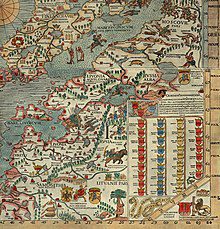
Teliavelis is a significant figure in Lithuanian mythology, often associated with various aspects of life and nature. In the rich tapestry of Lithuanian beliefs, Teliavelis stands out as a deity linked to the earth and its fertility. The mythology surrounding Teliavelis reflects the deep connection the Lithuanian people have with their land and natural resources. Many ancient tales describe how Teliavelis interacts with the world, influencing agricultural practices and the well-being of communities. This article delves into the different facets of Teliavelis, exploring his role in mythology, rituals, and cultural significance.
The Role of Teliavelis in Lithuanian Mythology
In Lithuanian mythology, Teliavelis is often depicted as a god of the earth, closely associated with agriculture and fertility. He is considered a guardian of the land, ensuring that crops grow and that the soil remains fertile. Teliavelis embodies the spirit of the earth, and his presence is believed to influence the success of harvests. Many ancient texts and oral traditions emphasize the importance of honoring Teliavelis to ensure a bountiful yield. Farmers would often perform rituals to seek his favor, highlighting the belief that their livelihood depended on his goodwill.
 Junda
JundaVarious stories depict Teliavelis as a benevolent figure who rewards those who respect the land and its resources. In these tales, he is often portrayed as interacting with other deities, such as Perkūnas, the god of thunder, and Žemyna, the goddess of the earth. The relationship between these deities illustrates the interconnectedness of nature and the balance that must be maintained for prosperity. Teliavelis, in his role, emphasizes the need for humans to live harmoniously with nature, respecting its cycles and nurturing the earth.
Mythical Tales and Legends
The stories surrounding Teliavelis are rich and varied, often passed down through generations. One popular legend describes how Teliavelis once walked among humans, teaching them the secrets of farming and land cultivation. According to this tale, he showed them how to plant seeds and care for crops, emphasizing the importance of patience and hard work. This narrative highlights the value placed on agricultural knowledge in Lithuanian culture and the respect for Teliavelis as a teacher and guide.
Another fascinating story involves Teliavelis’s interactions with other mythological beings. In some accounts, he engages in contests with the forest spirits to determine who can provide the best harvest. These contests often symbolize the struggles between cultivation and wild nature, reflecting the balance that must be achieved in rural life. The tales often conclude with Teliavelis triumphing, reinforcing the idea that with dedication and respect for the earth, humans can overcome challenges and achieve prosperity.
 Indraja
Rituals and Offerings
To honor Teliavelis, various rituals and offerings have been practiced throughout Lithuanian history. These rituals typically occur during significant agricultural events, such as planting and harvesting seasons. Farmers would create altars dedicated to Teliavelis, where they would place offerings such as bread, grains, and even small tokens made from clay or wood. These offerings were meant to show gratitude and seek blessings for a fruitful harvest.
One common ritual involved the plowing of fields. Before beginning the work, farmers would invoke Teliavelis by reciting prayers and pouring a bit of beer or mead on the ground. This act was believed to awaken the spirit of the land and ensure his presence during the farming season. Such practices demonstrate the deep-rooted belief in the divine influence over agricultural success and the need to maintain a respectful relationship with nature.
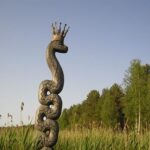 Gyvate
Cultural Significance of Teliavelis
Teliavelis holds a prominent place in Lithuanian culture, symbolizing the connection between the people and their land. The reverence for Teliavelis reflects the importance of agriculture in Lithuanian society, where the majority of the population historically depended on farming for survival. His figure serves as a reminder of the need to honor the earth and maintain sustainable practices. This cultural significance is evident in various forms of art, literature, and folklore that celebrate Teliavelis and his teachings.
Moreover, Teliavelis’s influence extends beyond agriculture. He represents the broader themes of nature, growth, and the cyclical patterns of life. In many ways, he embodies the spirit of resilience and adaptability, traits that are highly valued in Lithuanian culture. The stories and rituals associated with Teliavelis encourage individuals to foster a sense of responsibility towards the environment, emphasizing the importance of conservation and respect for natural resources.
Modern Interpretations and Revivals
In recent years, there has been a revival of interest in Lithuanian mythology, including the figure of Teliavelis. As more people seek to reconnect with their cultural roots, Teliavelis has emerged as a symbol of environmental awareness and sustainable living. Modern interpretations of his character often emphasize the importance of ecological practices and the need to protect the planet. This contemporary perspective aligns with global movements advocating for sustainability and environmental stewardship.
Festivals celebrating Teliavelis have also gained popularity, where communities come together to honor the earth and its resources. These events often include traditional music, dance, and storytelling, providing a platform for cultural expression and education. Through these celebrations, younger generations learn about the significance of Teliavelis and the values he represents, fostering a sense of identity and belonging.
Teliavelis serves as a vital figure in Lithuanian mythology, representing the deep connection between the people and their land. His role as a god of agriculture and fertility highlights the importance of respecting nature and maintaining sustainable practices. Through various tales, rituals, and modern interpretations, Teliavelis continues to inspire individuals to honor the earth and embrace a lifestyle that values environmental stewardship. As Lithuania moves forward, the legacy of Teliavelis remains a guiding force in the quest for harmony between humanity and nature.