
In the rich tapestry of Vodou mythology, one figure stands out for her grace and strength: Bon Ange. Often referred to as the “Good Angel,” Bon Ange embodies the duality of protection and benevolence within the Vodou tradition. She serves as a guardian to those who seek her help, guiding them through life’s challenges and bestowing blessings upon them. Understanding Bon Ange requires delving into the intricate beliefs and practices of Vodou, which are deeply rooted in African traditions and shaped by the experiences of the Haitian people.
Origins of Bon Ange
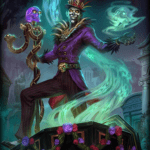 Baron Samedi
The origins of Bon Ange can be traced back to the African spiritual practices that were brought to Haiti by enslaved people. These practices merged with European influences, particularly from Catholicism, to create a unique system of beliefs. Bon Ange is often associated with the Catholic concept of angels, but her role within Vodou is much more complex. She represents not just a divine messenger but also a powerful protector who watches over her followers. In this way, Bon Ange serves as a bridge between the spiritual and physical worlds, guiding individuals through their journeys.
In Vodou, Bon Ange is seen as a manifestation of the divine feminine. Her presence is often invoked in rituals and ceremonies, where practitioners seek her guidance and support. She is believed to offer protection from negative energies and malevolent spirits, making her a central figure in the lives of many Vodou practitioners. The rituals dedicated to Bon Ange often include offerings of food, flowers, and other items that symbolize purity and devotion. These offerings are a way for followers to express their gratitude and seek her favor.
The Role of Bon Ange in Vodou Practices
Bon Ange plays a significant role in various Vodou practices, particularly in the context of healing and protection. Many practitioners believe that she has the power to heal physical ailments and emotional wounds. When someone is ill or struggling, they may turn to Bon Ange in prayer, asking for her intercession. This connection to healing is rooted in the belief that Bon Ange can channel divine energy to restore balance and well-being.
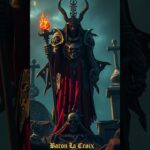 Baron La Croix
- Healing Rituals: Practitioners often perform specific rituals to invoke Bon Ange’s healing powers. These rituals may include the use of herbs, prayers, and the creation of altars dedicated to her.
- Protective Amulets: Many Vodou followers carry amulets or charms that are believed to be blessed by Bon Ange. These objects serve as a tangible reminder of her protection.
- Guidance in Decision-Making: When faced with difficult choices, individuals may seek Bon Ange’s guidance through meditation and prayer, trusting that she will lead them in the right direction.
In addition to healing, Bon Ange is also invoked for protection against harm. Many Vodou ceremonies include prayers for safety and security, asking Bon Ange to shield them from negative influences. This protective aspect of her nature is especially important in a world where individuals may feel vulnerable or threatened. By invoking Bon Ange, practitioners believe they can create a protective barrier around themselves and their loved ones.
Symbolism and Representation of Bon Ange
Bon Ange is often symbolically represented in various ways within Vodou art and rituals. One of the most common symbols associated with her is the white dove, which signifies peace, purity, and spiritual enlightenment. The dove serves as a reminder of her role as a protector and guide, embodying the qualities of love and compassion. In many Vodou altars, images of doves may be included as a way to honor her presence.
Another important symbol associated with Bon Ange is the light. She is often depicted as a radiant figure, surrounded by light that represents her divine nature. This imagery reinforces her role as a guiding force, illuminating the path for those who seek her help. In rituals, candles may be lit in her honor, symbolizing the light she brings into the lives of her followers.
 Baron Cimetière
Bon Ange in the Context of Haitian Culture
The influence of Bon Ange extends beyond the realm of spirituality; she is also deeply embedded in Haitian culture. Many Haitians incorporate her teachings and values into their daily lives, emphasizing the importance of community, compassion, and resilience. In a country that has faced numerous challenges, including natural disasters and political turmoil, the figure of Bon Ange serves as a source of hope and strength for many.
Bon Ange is often celebrated in community gatherings and festivals, where her significance is highlighted through music, dance, and storytelling. These events provide an opportunity for individuals to come together, share their experiences, and honor the protective spirit of Bon Ange. Through these cultural expressions, the legacy of Bon Ange continues to thrive, connecting generations of Haitians to their spiritual roots.
Bon Ange and the Intersection of Vodou and Christianity
The relationship between Vodou and Christianity is complex, and Bon Ange embodies this intersection. Many Vodou practitioners also identify with Christian beliefs, often incorporating elements of both faiths into their spiritual practices. Bon Ange is frequently associated with figures from Christianity, particularly the Virgin Mary, who shares similar qualities of compassion and protection.
This blending of beliefs allows followers to navigate their spiritual lives in a way that resonates with their personal experiences. By honoring Bon Ange alongside Christian figures, practitioners can create a holistic approach to spirituality that acknowledges their cultural heritage while also embracing broader religious concepts. This synthesis reflects the adaptability of Vodou, allowing it to flourish in a diverse religious landscape.
Bon Ange in Popular Culture
In recent years, the figure of Bon Ange has gained recognition beyond the confines of Vodou practice, finding a place in popular culture. Artists, writers, and filmmakers have drawn inspiration from her story, using her as a symbol of resilience and hope. This increased visibility has helped to demystify Vodou and challenge stereotypes often associated with the religion.
Through literature and visual art, Bon Ange’s narrative is shared with a wider audience, highlighting her significance as a protector and guide. These representations often emphasize her role in empowering individuals to overcome adversity, resonating with themes of strength and courage. As more people learn about Bon Ange, the understanding of Vodou as a rich and complex tradition continues to grow.
Personal Experiences with Bon Ange
Many practitioners of Vodou share personal stories of their encounters with Bon Ange, recounting moments when they felt her presence in their lives. These experiences often revolve around themes of protection, guidance, and healing. For instance, individuals may describe how they turned to Bon Ange during times of crisis, finding solace in her comforting presence.
Through these narratives, the deep connection that followers have with Bon Ange becomes evident. Many report feeling a sense of peace and reassurance when they invoke her name, believing that she is always watching over them. These personal testimonies serve as a testament to the profound impact that Bon Ange has on the lives of those who seek her guidance.
Rituals Dedicated to Bon Ange
The rituals dedicated to Bon Ange are an essential aspect of Vodou practice, providing a structured way for followers to connect with her spirit. These ceremonies often take place in communal settings, where practitioners gather to offer prayers, songs, and offerings in her honor. The atmosphere during these rituals is typically filled with a sense of reverence and celebration, as participants come together to acknowledge Bon Ange’s influence in their lives.
- Prayer and Invocation: Rituals often begin with prayers that specifically invoke Bon Ange, asking for her guidance and protection.
- Offerings: Participants may bring offerings of food, flowers, and other items that are meaningful to Bon Ange, demonstrating their devotion.
- Drumming and Dance: Music plays a vital role in Vodou rituals, and drumming and dancing are common ways to celebrate Bon Ange’s presence.
These rituals serve not only as a means of connecting with Bon Ange but also as a way to strengthen community bonds. By participating in these ceremonies, individuals reinforce their shared beliefs and support one another in their spiritual journeys. The collective experience of honoring Bon Ange fosters a sense of belonging and unity among practitioners.
The Legacy of Bon Ange
As a central figure in Vodou mythology, Bon Ange’s legacy continues to inspire and empower individuals. Her teachings emphasize the importance of compassion, protection, and resilience, values that resonate deeply within the Haitian community. Through the stories, rituals, and personal experiences shared by practitioners, Bon Ange remains a living symbol of hope and strength.
In a world where challenges are ever-present, the figure of Bon Ange serves as a reminder that individuals are not alone in their struggles. Her presence offers comfort and reassurance, encouraging followers to seek guidance and support. The legacy of Bon Ange is not only a reflection of Vodou beliefs but also a testament to the enduring spirit of the Haitian people.
Bon Ange, the “Good Angel,” stands as a powerful symbol within Vodou mythology, representing protection, guidance, and healing. Her influence extends beyond the spiritual realm, impacting the cultural and social fabric of Haiti. Through rituals, personal experiences, and community celebrations, Bon Ange continues to inspire and empower individuals, fostering a deep connection to their heritage and beliefs. As Vodou practices evolve, the legacy of Bon Ange remains a vital part of the narrative, reminding us of the strength found in community and spirituality.