
Junda is a fascinating figure in Lithuanian mythology, representing various aspects of nature, life, and spirituality. As one of the many deities in the rich tapestry of Lithuanian folklore, Junda holds a special place in the hearts of the people. This article will delve into the mythology surrounding Junda, exploring her characteristics, significance, and the stories that have been passed down through generations. Understanding Junda provides a glimpse into the ancient beliefs and practices that shaped the cultural identity of Lithuania.
Origins of Junda
The origins of Junda can be traced back to the ancient Baltic tribes that inhabited the region. These tribes had a deep connection with nature, and their deities often personified natural elements. Junda is believed to be associated with water, particularly rivers and lakes, which were seen as sacred places. Many myths describe her as a guardian of these water bodies, ensuring their purity and sanctity. In Lithuanian culture, water is not just a physical element; it is also a symbol of life, renewal, and transformation.
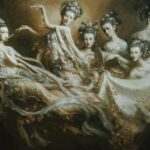 Indraja
In various tales, Junda is depicted as a beautiful woman with flowing hair, often seen by the riverside. Her appearance varies depending on the story, but she is consistently portrayed as a nurturing and protective figure. The connection between Junda and water highlights the importance of this element in the lives of the ancient Lithuanians, who relied on rivers for fishing, drinking, and transportation. By venerating Junda, they expressed their respect for the forces of nature that sustained them.
Symbolism of Junda
Junda symbolizes many aspects of life, including fertility, growth, and healing. In agricultural societies, deities associated with water were crucial, as they were believed to influence the success of crops and livestock. Junda’s presence was thought to ensure bountiful harvests and the prosperity of the community. Farmers would often perform rituals and offer sacrifices to Junda, seeking her favor for good weather and abundant yields.
Moreover, Junda is often linked to the cycle of life and death. Water is a powerful symbol of transformation, representing both the beginning and end of life. In some myths, Junda is portrayed as a figure who guides souls to the afterlife, emphasizing her role as a mediator between the physical and spiritual realms. This duality adds depth to her character, making her a complex and multifaceted deity within Lithuanian mythology.
 Gyvate
Junda in Folklore
Numerous stories featuring Junda have been passed down through generations, showcasing her importance in Lithuanian folklore. One popular tale recounts how Junda saved a village from a devastating drought. The villagers, desperate for water, prayed to her for help. In response, Junda appeared in a dream to the village elder, instructing him to perform a ritual by the riverbank. Following her guidance, the villagers offered gifts to the river, and soon after, rain began to fall, revitalizing the land.
This story not only highlights Junda’s power over water but also illustrates the deep spiritual connection that the Lithuanian people had with their environment. It reflects their understanding of the natural world and their reliance on the deities to maintain balance and harmony. Such tales were essential in teaching moral lessons and reinforcing the cultural values of respect and gratitude toward nature.
 Giraitis
Rituals and Offerings
Worshipping Junda involved various rituals and offerings, often centered around water sources. The ancient Lithuanians believed that performing these ceremonies at rivers or lakes would invite Junda’s presence and blessings. Common offerings included food, flowers, and handcrafted items, which were placed on the water’s surface or along the riverbank. These offerings were a way for the people to express their gratitude and seek protection from the goddess.
In addition to physical offerings, many rituals involved songs and prayers dedicated to Junda. These chants often celebrated her beauty and power, invoking her name in hopes of receiving her favor. The communal aspect of these rituals fostered a sense of unity among the villagers, as they came together to honor Junda and seek her guidance. Such practices were integral to maintaining the cultural identity of the community and passing down traditions to future generations.
Junda and the Seasons
Junda’s influence is also evident in the changing seasons, particularly in the spring and summer months when life flourishes. During these times, the Lithuanians would celebrate her through various festivals, marking the arrival of warmer weather and the growth of crops. These celebrations often included dancing, singing, and communal feasting, all aimed at honoring Junda for her role in nurturing the earth.
One significant festival dedicated to Junda was the Spring Equinox, a time when people would gather near water bodies to celebrate the return of life after the long winter. Participants would create flower crowns, light bonfires, and perform rituals to invite Junda’s blessings for a fruitful season. This festival not only highlighted Junda’s connection to fertility but also reinforced the community’s bond with nature and each other.
Modern Interpretations of Junda
In contemporary Lithuania, the figure of Junda continues to resonate with many people, especially those interested in pagan traditions and the revival of ancient practices. While modern society has evolved, the appreciation for nature and its spiritual significance remains strong. Many individuals and groups actively seek to reconnect with their heritage by studying the myths and rituals associated with Junda and other deities.
Various cultural events and festivals celebrate Lithuanian mythology, including Junda. These gatherings often feature traditional music, dance, and storytelling, allowing participants to immerse themselves in the rich cultural tapestry of their ancestors. By honoring Junda in these modern contexts, people are not only preserving their history but also fostering a deeper connection to the natural world around them.
Comparative Mythology
When examining Junda, it is interesting to compare her to similar figures in other mythologies. For example, in Slavic mythology, there are water spirits known as Rusalki, who are often associated with rivers and lakes. Like Junda, Rusalki are believed to have the power to influence the fertility of the land and the lives of those who live near water. This similarity underscores the universal themes of nature and spirituality found across various cultures.
Furthermore, in Norse mythology, the goddess Njord is also connected to water, specifically the sea and winds. Njord’s role as a provider and protector resonates with the qualities attributed to Junda. These comparisons highlight the shared human experience of revering natural elements and seeking divine assistance in agricultural and life-sustaining endeavors.
The Legacy of Junda
The legacy of Junda is deeply embedded in Lithuanian culture, influencing art, literature, and spiritual practices. Many contemporary artists draw inspiration from Junda’s stories, creating visual representations that capture her essence. These artworks often depict her as a nurturing figure, surrounded by lush landscapes and flowing waters, symbolizing life and abundance.
In literature, Junda’s character appears in various forms, often serving as a metaphor for nature’s resilience and beauty. Writers explore themes of environmentalism and the importance of preserving natural resources, echoing the ancient wisdom associated with Junda. This literary engagement not only honors her legacy but also encourages modern audiences to reflect on their relationship with nature.
Conclusion: The Enduring Spirit of Junda
Junda’s enduring spirit continues to inspire and connect people to their roots. As a symbol of nature’s power and the interconnectedness of life, she serves as a reminder of the importance of respecting and nurturing the environment. Through rituals, storytelling, and artistic expression, Junda remains a vital part of Lithuanian cultural identity, bridging the past with the present and future.