
The Striges are fascinating creatures from Roman mythology, often depicted as supernatural beings that have captivated the imagination of many. These entities are primarily described as bird-like figures, typically resembling owls or vultures. In various texts, they are portrayed as harbingers of doom or messengers of the underworld. Their presence is often associated with darkness and fear, and they are frequently mentioned in ancient literature as ominous figures that prey on the living. The mythology surrounding the Striges is rich and varied, encompassing themes of death, transformation, and the supernatural.

Origins of the Striges
The origins of the Striges can be traced back to ancient Roman beliefs, where they were often associated with witchcraft and the night. These creatures were thought to be the souls of the dead, transformed into birds that roamed the skies at night. The Romans believed that the Striges could suck the blood of infants and cause harm to the living. This fear of nocturnal creatures was deeply ingrained in Roman culture, leading to the creation of various myths and stories surrounding these beings. Their connection to the darkness and the unknown made them symbols of fear and mystery.
In ancient texts, Striges are often mentioned alongside other supernatural beings, such as vampires and demons. This association highlights the belief that these creatures possessed malevolent powers and could influence the world of the living. Roman writers, including Pliny the Elder, documented sightings and stories of Striges, further embedding them in the cultural consciousness of the time. These accounts often depicted the Striges as fearsome predators, lurking in the shadows and waiting for the perfect moment to strike.
Characteristics of the Striges
The Striges are characterized by their bird-like appearance and their connection to the night. They are often described as having long, slender bodies with large wings that allow them to soar silently through the darkness. Their eyes are typically depicted as glowing, adding to their fearsome reputation. In some stories, they are said to have human-like features, blurring the lines between humanity and the supernatural. This duality contributes to the mystique surrounding the Striges, as they embody both the familiar and the unknown.
 Susurri
In addition to their physical characteristics, Striges are also associated with specific behaviors that enhance their terrifying nature. They are known to be nocturnal hunters, preying on vulnerable individuals during the night. Their haunting cries and eerie presence often evoke feelings of dread in those who encounter them. Some legends even suggest that Striges can shapeshift, allowing them to transform into other forms to deceive their victims. This ability to change shape adds an additional layer of fear, as it makes them unpredictable and dangerous.
Striges in Roman Literature
Striges appear in various works of Roman literature, showcasing their significance in ancient storytelling. One of the most notable references is found in the writings of Pliny the Elder, who described the Striges as creatures that could cause harm to both humans and animals. His accounts helped to solidify the Striges’ reputation as malevolent beings that should be feared. In these texts, the Striges are often depicted as agents of chaos, disrupting the natural order and bringing misfortune to those they encounter.
Another significant mention of the Striges can be found in the works of the poet Ovid. In his narratives, he often explored themes of transformation and the supernatural, making the Striges a fitting subject for his storytelling. Ovid’s portrayal of these creatures highlights their ability to instill fear and uncertainty, reinforcing their role as symbols of the unknown. Through his vivid descriptions, readers are transported into a world where the Striges reign supreme during the night, creating a sense of unease that resonates with the audience.
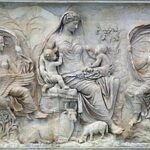 Tellumo
The Role of Striges in Roman Society
In Roman society, the belief in Striges had practical implications. The fear of these creatures often led to the development of various rituals and protective measures to ward off their influence. Families would engage in practices such as blessing their homes or placing protective charms near their children to prevent Striges from entering. These actions reflect the deep-seated belief in the supernatural and the desire to safeguard loved ones from harm. The Striges became a symbol of the unknown dangers that lurked in the darkness, prompting individuals to take precautions against potential threats.
Additionally, the Striges served as cautionary tales, warning individuals about the consequences of engaging in immoral behavior. Stories of Striges preying on the innocent were often used to instill a sense of morality within society. Parents would recount these tales to their children, teaching them the importance of being vigilant and cautious. The Striges became a metaphor for the dangers of straying from the path of righteousness, reinforcing societal values through fear.
Modern Interpretations of Striges
In contemporary culture, the Striges have experienced a resurgence in interest, often appearing in various forms of media, including literature, film, and art. Their portrayal has evolved, with some modern interpretations depicting them as misunderstood creatures rather than purely malevolent beings. This shift reflects a broader trend in storytelling, where traditional monsters are reimagined to explore deeper themes of identity and transformation. The Striges have become a symbol of the complex relationship between humanity and the supernatural, inviting audiences to question their perceptions of good and evil.
Furthermore, the fascination with Striges has led to the incorporation of these mythical beings into popular culture. They have appeared in various fantasy novels and television series, often serving as antagonists or mysterious allies. This modern portrayal highlights the enduring appeal of the Striges as enigmatic figures that challenge our understanding of the world. By reinterpreting the Striges, creators can explore themes of fear, transformation, and the unknown in new and innovative ways.
Striges and Their Symbolism
The Striges carry a wealth of symbolism within Roman mythology. They are often associated with death, transformation, and the supernatural. Their connection to the night makes them symbols of the unknown, representing the fears and anxieties that arise in darkness. The Striges embody the idea that not everything is as it seems, urging individuals to confront their fears and uncertainties. This symbolism resonates with audiences, as it reflects the universal human experience of grappling with the unknown.
Additionally, the Striges can be seen as a representation of the duality of nature. They possess both bird-like and human-like qualities, blurring the lines between different realms of existence. This duality serves as a reminder that the world is not black and white; rather, it is filled with complexities and contradictions. The Striges challenge us to embrace the multifaceted nature of life and to acknowledge the coexistence of light and darkness.
While the Striges may have originated in ancient Roman mythology, their impact continues to be felt today. Their enduring presence in literature, art, and popular culture speaks to the power of myth to shape our understanding of the world. As we explore the stories and symbolism surrounding the Striges, we gain insight into the fears, anxieties, and complexities of the human experience. The Striges remind us that the unknown can be both frightening and captivating, urging us to confront our fears and embrace the mysteries of life.