
In Roman mythology, Tellumo is a lesser-known deity associated with the earth and fertility. While not as prominent as other Roman gods and goddesses, Tellumo plays a vital role in the pantheon, representing the nurturing aspects of the earth. This article will explore the various facets of Tellumo, including his origins, symbolism, and significance in Roman culture. By examining these aspects, we can gain a deeper understanding of how this deity influenced the lives of ancient Romans and their relationship with nature.
Origins of Tellumo
The origins of Tellumo can be traced back to the early Roman agricultural practices. As the Romans began to cultivate the land and settle in communities, they developed a need for deities that represented the forces of nature. Tellumo emerged as a personification of the earth, embodying its fertile qualities and the life it sustains. Unlike other gods who were associated with war or the heavens, Tellumo focused on the more peaceful aspects of existence, emphasizing the importance of agriculture and fertility in society.
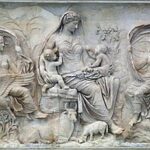 Tellus
Tellumo is often linked to other deities within the Roman pantheon, particularly those related to agriculture. For instance, Ceres, the goddess of agriculture, is frequently mentioned alongside Tellumo. Ceres represents the harvest and the bounty of the earth, while Tellumo embodies the very soil that produces crops. This relationship highlights the interconnectedness of different deities and their roles in ensuring the well-being of the Roman people.
Symbolism of Tellumo
In Roman mythology, Tellumo is often depicted with various symbols that represent his connection to the earth. One of the most common symbols associated with him is the plow, which signifies agriculture and cultivation. The plow represents the hard work and dedication required to farm the land, and it is a reminder of the importance of the earth in sustaining life. This imagery serves to emphasize Tellumo’s role as a guardian of the soil and a provider of nourishment.
 Terminus
Another significant symbol of Tellumo is the sheaf of wheat. Wheat is a staple crop in Roman agriculture, and its representation alongside Tellumo underscores the idea of fertility and abundance. The sheaf of wheat serves as a reminder of the rewards of labor and the importance of respecting the earth’s resources. Through these symbols, Tellumo embodies the principles of growth, sustenance, and the cyclical nature of life.
Worship and Rituals
The worship of Tellumo, while not as widespread as that of more prominent deities, was still an essential aspect of Roman agricultural practices. Farmers and landowners often held rituals to honor Tellumo, seeking his blessings for a fruitful harvest. These rituals typically involved offerings of grain, fruits, and other agricultural products. By presenting these gifts, the worshippers expressed gratitude and sought to maintain a harmonious relationship with the earth.
In addition to personal offerings, communal celebrations were also held in honor of Tellumo. These events often coincided with the agricultural calendar, particularly during planting and harvest seasons. During these celebrations, communities would come together to share food, music, and dance, reinforcing social bonds and highlighting the importance of agriculture in their lives. Such gatherings served not only as a means of worship but also as a way to strengthen community ties.
 Tiberinus
Tellumo in Literature and Art
Tellumo’s presence in Roman literature and art, while limited, is nonetheless significant. Ancient Roman poets occasionally referenced Tellumo in their works, often using him as a symbol of the earth’s fertility and the cycle of life. For instance, Virgil, a prominent Roman poet, wrote extensively about agriculture and the natural world. In his epic poem, the Georgics, Virgil emphasizes the importance of respecting the earth and its resources, which aligns with Tellumo’s role as a guardian of fertility.
In terms of visual representation, Tellumo is often depicted in frescoes and sculptures alongside other agricultural deities. Artists would illustrate scenes of farming, showcasing Tellumo as a robust figure, symbolizing strength and fertility. These artistic representations served to remind the viewer of the earth’s importance and the need for reverence towards nature. Through literature and art, Tellumo’s essence as a deity connected to agriculture and fertility was preserved for future generations.
Tellumo’s Influence on Roman Society
The influence of Tellumo on Roman society can be seen in various aspects of daily life. Agriculture was the backbone of the Roman economy, and the success of farming depended heavily on the fertility of the land. As a result, Tellumo’s role as a deity of the earth was crucial for the sustenance of communities. Romans understood that their well-being was directly linked to the health of the soil, and thus they revered Tellumo as a vital protector of their livelihoods.
Furthermore, the agricultural festivals held in honor of Tellumo served as a reminder of the community’s reliance on the earth. These celebrations fostered a sense of unity among the people, as they came together to acknowledge the importance of agriculture in their lives. By honoring Tellumo, the Romans reinforced their connection to the land and expressed gratitude for its gifts. This relationship with the earth was fundamental to their identity and way of life.
Tellumo and Modern Perspectives
In contemporary discussions about agriculture and sustainability, the lessons from Tellumo’s mythology resonate more than ever. As modern society faces challenges such as climate change and food security, the reverence for the earth embodied by Tellumo serves as a reminder of the importance of caring for our environment. The ancient Romans recognized the interconnectedness of life and the earth, a perspective that is increasingly relevant today.
Additionally, Tellumo’s symbolism can inspire modern agricultural practices that prioritize sustainability and respect for natural resources. By acknowledging the importance of the soil and its fertility, we can adopt practices that promote ecological balance and ensure the health of our planet for future generations. The teachings of Tellumo remind us that our relationship with the earth is not just a matter of survival but a sacred bond that requires stewardship and care.
While Tellumo may not be as widely recognized as other Roman deities, his significance in the realm of agriculture and fertility is undeniable. Through his symbols, rituals, and influence on society, Tellumo embodies the essential connection between humanity and the earth. By studying this lesser-known deity, we can gain valuable insights into the Roman worldview and the importance they placed on nurturing the land that sustained them. In an era where environmental concerns are at the forefront, the teachings of Tellumo continue to inspire a deeper appreciation for the natural world and the need for responsible stewardship of our planet.