
The Suovetaurilia was a significant ritual in ancient Roman religion, closely associated with agricultural practices and the veneration of deities. This ceremony involved the sacrifice of a pig, a sheep, and a bull, and was typically performed to purify the land and ensure a fruitful harvest. The term itself derives from the Latin words for these animals: ‘suis’ for pig, ‘oves’ for sheep, and ‘taurus’ for bull. The ritual highlights the Romans’ deep connection to agriculture and their reliance on the gods for a successful farming season. The Suovetaurilia was not only a religious observance but also a communal event that brought people together to seek blessings for their crops and livestock.
Historical Context
The roots of the Suovetaurilia can be traced back to the early days of Roman society. As a predominantly agrarian culture, the Romans placed great importance on rituals that would ensure the fertility of their lands. The ceremony was often held during the Ludi Romani, a festival dedicated to Jupiter, the king of the gods. This connection between the ritual and the festival underscores the significance of divine favor in agricultural success. The Suovetaurilia was believed to appease the gods and invoke their protection over the fields, livestock, and the community as a whole.
 Susurri
In Roman times, the agricultural calendar was crucial to the society’s survival. The Suovetaurilia typically took place in the spring, aligning with the planting season. This timing was strategic, as it allowed the Romans to seek divine assistance just before they began sowing their crops. The act of sacrificing animals was seen as a way to communicate with the gods, offering them something of value in exchange for their blessings. This practice was deeply ingrained in Roman culture and reflected their understanding of the interconnectedness between human actions and divine will.
The Ritual Process
The ritual of Suovetaurilia was elaborate and filled with specific steps that had to be followed to ensure its success. The process began with the selection of the animals to be sacrificed. A pig, a sheep, and a bull were chosen, each representing different aspects of the agricultural cycle. The pig was often associated with the earth and fertility, the sheep with pastoral life, and the bull with strength and labor. Once the animals were selected, they were brought to the designated place for the sacrifice, usually a temple or an altar dedicated to the gods.
As the ritual commenced, the officiating priest, known as the flamen, would lead the proceedings. The animals were adorned with garlands and other offerings before being led to the altar. The ceremony included prayers and invocations to the gods, asking for their favor and protection. The act of sacrifice itself was performed with great care, as it was believed that the manner in which the animals were killed could influence the outcome of the ritual. The blood of the animals was collected and used in various ways, often sprinkled on the fields to bless the land.
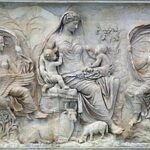 Tellumo
Significance of Each Animal
- Pig: Symbolized fertility and the earth’s abundance.
- Sheep: Represented pastoral life and the importance of livestock.
- Bull: Associated with strength, labor, and agricultural work.
After the sacrifices, a feast would often follow, where the community came together to share the meat of the animals. This communal aspect of the ritual was essential, as it fostered a sense of unity among the participants. The Suovetaurilia was not just a private affair; it was a public event that reinforced social bonds and collective identity. Sharing the meat was also seen as a way to partake in the blessings granted by the gods, thus ensuring that the entire community benefited from the ritual.
Mythological Connections
The Suovetaurilia was deeply intertwined with Roman mythology, particularly in its associations with various gods and goddesses. One of the primary deities invoked during the ritual was Jupiter, the king of the gods, who was often called upon to grant favorable weather and bountiful harvests. Other deities, such as Ceres, the goddess of agriculture, and Pomona, the goddess of fruit trees, were also honored during the ceremony. The inclusion of these deities highlighted the multifaceted nature of agricultural life in Rome and the importance of divine favor in every aspect of farming.
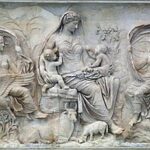 Tellus
In addition to the deities, the Suovetaurilia was linked to various myths that explained the relationship between humans and the divine. One such myth involved the tale of how the gods taught humanity the arts of agriculture and animal husbandry. The ritual served as a reminder of this divine gift and the responsibilities that came with it. By performing the Suovetaurilia, the Romans acknowledged their dependence on the gods for sustenance and survival, reinforcing the belief that their prosperity was directly tied to their relationship with the divine.
Suovetaurilia in Literature
The Suovetaurilia has been mentioned in several ancient Roman texts, highlighting its significance in the culture. Notable authors like Virgil and Ovid referenced the ritual in their works, often using it as a symbol of the agricultural cycle and the importance of divine intervention. In Virgil’s Eclogues, for example, he describes the peacefulness of rural life and the role of rituals like the Suovetaurilia in ensuring harmony between humans and nature. This literary representation underscores the ritual’s importance not only in religious practice but also in shaping Roman identity and values.
Additionally, the ritual was often depicted in visual art, with representations found in mosaics and frescoes. These artistic interpretations served to reinforce the cultural significance of the Suovetaurilia, showcasing the elaborate nature of the ceremony and the reverence with which it was performed. Through literature and art, the Suovetaurilia became a symbol of Roman agricultural life, reflecting the society’s values, beliefs, and the critical role of rituals in maintaining the favor of the gods.
Legacy of Suovetaurilia
Even though the Suovetaurilia is no longer practiced, its legacy continues to influence modern agricultural rituals in various cultures. The emphasis on seeking divine favor for successful harvests can still be seen in many agricultural communities worldwide. Additionally, the communal aspect of the ritual, where people come together to celebrate and give thanks for the bounty of the land, resonates in contemporary harvest festivals. These modern celebrations often echo the sentiments expressed in the Suovetaurilia, emphasizing gratitude and the importance of community.
The study of Suovetaurilia also provides valuable insights into the religious practices of ancient Rome, offering a glimpse into how the Romans understood their relationship with the natural world and the divine. Scholars continue to explore the implications of such rituals, examining how they shaped social structures and cultural identities. The Suovetaurilia serves as a reminder of the intricate connections between religion, agriculture, and community in ancient Rome, highlighting the enduring impact of these beliefs on contemporary practices.
In examining the Suovetaurilia, we uncover a rich tapestry of religious, agricultural, and cultural significance that defined ancient Roman life. The ritual encapsulates the Romans’ deep-seated beliefs in the power of the divine to influence their everyday existence, particularly in relation to agriculture. The careful selection of animals, the elaborate ceremonies, and the communal feasts all reflect a society that understood the importance of honoring the gods for their blessings. Through the lens of the Suovetaurilia, we gain a deeper appreciation for the complexities of Roman mythology and the vital role rituals played in shaping their world.