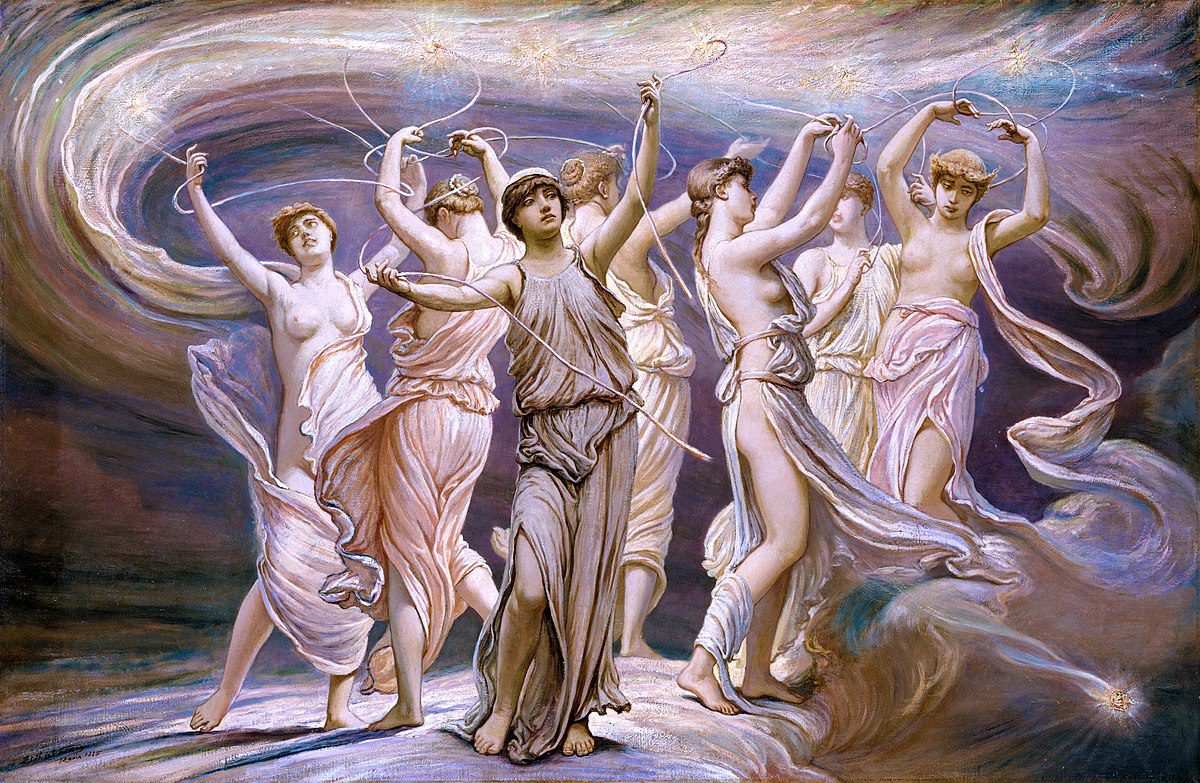
Sterope is a fascinating figure from Greek mythology, known for her connection to the divine and her place among the Pleiades, the seven daughters of the titan Atlas and the sea nymph Pleione. The Pleiades are often depicted in ancient texts and artworks, representing beauty and grace. Sterope, along with her sisters, has captured the imagination of many throughout history. In this article, we will explore Sterope’s lineage, her significance in mythology, and the various stories associated with her.
Lineage and Family
 Stheno
The story of Sterope begins with her parents, Atlas and Pleione. Atlas was a titan who was condemned to hold up the sky for eternity. He was known for his strength and endurance, which he passed down to his daughters. Pleione, on the other hand, was a sea nymph, often associated with the ocean’s beauty and mystery. Their union resulted in the birth of seven daughters, known collectively as the Pleiades. Sterope was one of these daughters, and her name translates to “the one who is seen.” This name suggests a connection to light and visibility, further enhancing her divine qualities.
Each of the Pleiades had unique characteristics and stories associated with them. Sterope was known for her beauty and was often depicted as a symbol of love and affection. Her sisters included Merope, Taygete, Electra, Maia, Alcyone, and Celano. Together, they were not just daughters of Atlas but also important figures in various myths. The Pleiades were often associated with the stars, and their stories were intertwined with the changing seasons and the cycles of nature.
Significance in Mythology
Sterope, like her sisters, played a significant role in the mythology of ancient Greece. The Pleiades were often seen as celestial beings, and their presence in the night sky was used by sailors and farmers as a guide. The rising and setting of the Pleiades marked important times in the agricultural calendar. For example, their appearance in the sky signaled the time for planting crops, while their disappearance indicated the harvest season. This celestial significance made Sterope and her sisters vital to the survival and success of ancient Greek communities.
 Stymphalian-birds
In addition to their agricultural importance, the Pleiades were also associated with various myths and legends. Sterope was sometimes linked to the story of the hero Orion, a great hunter who pursued the Pleiades across the sky. According to one myth, Orion fell in love with the sisters and chased them relentlessly. To protect them, Zeus transformed the Pleiades into stars, allowing them to escape Orion’s grasp. This transformation highlights Sterope’s connection to the divine and her role as a protector of her sisters.
Representations in Art and Literature
The Pleiades, including Sterope, have been depicted in numerous works of art and literature throughout history. In ancient Greek pottery, the Pleiades were often illustrated in scenes that showcased their beauty and grace. Artists captured their ethereal quality, emphasizing their connection to the stars and the divine. Many vase paintings featured the sisters alongside other mythological figures, highlighting their importance in Greek culture.
In literature, the Pleiades are mentioned in various ancient texts, including the Hesiod’s Works and Days and Homer’s Iliad. These texts often reference the Pleiades in relation to agricultural practices, emphasizing their role in the natural world. The Pleiades also appear in later works, such as Ovid’s Metamorphoses, where their stories are woven into the fabric of mythological narratives. Sterope, along with her sisters, remains a symbol of beauty and celestial influence in these works.
 Styx
StyxConnections to Other Myths
Sterope’s story is intertwined with various other myths within Greek mythology. One of the most notable connections is with the titan Atlas, her father. Atlas was not only known for holding up the sky but also for his role in the myth of the Golden Apples of the Hesperides. The Hesperides were nymphs who tended to a garden containing golden apples, which were highly sought after. Sterope and her sisters were often depicted as guardians of this garden, highlighting their protective nature and divine lineage.
Additionally, Sterope has connections to the myth of Zeus and Hera. According to some accounts, the Pleiades were transformed into stars by Zeus to protect them from the advances of Orion. This act of transformation illustrates the intervention of the gods in the lives of mortals and celestial beings alike. Sterope’s connection to both her father and the chief god of Olympus emphasizes her importance within the pantheon of Greek mythology.
Cultural Impact and Legacy
The legacy of Sterope and the Pleiades extends beyond ancient Greece. Their stories and representations have influenced various cultures and artistic movements throughout history. In modern times, the Pleiades continue to be a source of inspiration for artists, writers, and astronomers alike. The constellation known as the Pleiades, located in the Taurus constellation, remains a point of interest for stargazers and is often celebrated in various cultural contexts.
Furthermore, the Pleiades have been incorporated into various belief systems and traditions around the world. Many indigenous cultures view the Pleiades as significant markers in their calendars, often associating them with agricultural practices and seasonal changes. The stories of Sterope and her sisters have transcended time and geography, showcasing the universal themes of beauty, protection, and the connection between humanity and the cosmos.
Sterope is a captivating figure in Greek mythology, representing beauty, protection, and celestial significance. Her lineage as one of the Pleiades connects her to various myths and legends that have shaped ancient Greek culture. Through art, literature, and cultural practices, Sterope’s legacy continues to endure, reminding us of the enduring power of mythology and its impact on human understanding of the world.