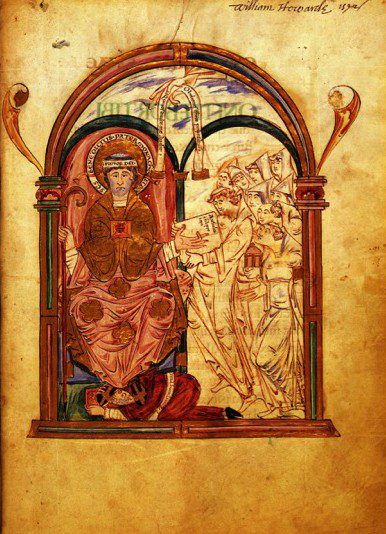
St. Grimbald is a figure rooted in Christian mythology, particularly known in the context of early medieval Christianity. His life and legacy are often discussed in relation to the spread of Christianity in Europe, especially in regions like England and France. Grimbald is frequently portrayed as a monk who played a significant role in the establishment of monastic communities. The stories surrounding him reflect the intertwining of faith, culture, and the efforts to convert pagan societies to Christianity. His impact can be seen in various historical texts and local traditions that celebrate his contributions to the church and society.
The Life of St. Grimbald
The exact details of St. Grimbald’s life are somewhat obscured by the passage of time, but several accounts provide insight into his early years. Born in the late 9th century, he is believed to have originated from Flanders, an area that was significant in the early spread of Christianity. His early life was marked by a deep commitment to his faith, which eventually led him to pursue a monastic vocation. It is said that he joined a monastic community where he devoted himself to prayer and the study of scripture. This foundation would prepare him for his future endeavors in evangelism and community building.
 St. Gregory Of Nazianzus
Grimbald’s journey took a pivotal turn when he was invited to England by King Alfred the Great. The king was known for his efforts to promote education and religion among his people. Grimbald accepted the invitation and traveled to England, where he became a key figure in the revitalization of the church. His arrival marked a significant moment for the Christian community in England, as he brought with him not only religious knowledge but also a passion for education and reform. His work would help lay the groundwork for future generations of monks and scholars.
The Role of St. Grimbald in Monasticism
St. Grimbald is often celebrated for his contributions to monasticism in England. Upon his arrival, he established a monastic community in Winchester, which became a center for learning and spirituality. This community was known for its strict adherence to monastic rules and the promotion of a life dedicated to God. Grimbald’s leadership was characterized by a strong emphasis on education, discipline, and communal living. He believed that a well-educated clergy was essential for the growth of the church and the spiritual well-being of the community.
Under Grimbald’s guidance, the monastery flourished. He implemented a curriculum that included the study of the scriptures, theology, and the arts. This educational approach attracted many young men who sought to become monks and serve the church. Grimbald’s efforts in this area were crucial in a time when education was not widely accessible. His community became a beacon of hope and learning, drawing attention from across the region. The legacy of his educational reforms can still be felt in modern Christian educational institutions.
 St. Gregory Iii
St. Grimbald and the Spread of Christianity
In addition to his work in monasticism, St. Grimbald played a vital role in the spread of Christianity throughout England. His efforts were not limited to the confines of his monastery; he actively engaged with local communities to promote the Christian faith. Grimbald traveled extensively, preaching the message of Christ and encouraging conversions among the pagan populations. His approach was marked by compassion and understanding, recognizing the cultural differences that existed between the Christian faith and the traditions of the local people.
Grimbald’s missionary work often involved collaboration with local leaders and other clergy. He understood the importance of building relationships and fostering trust within communities. By working alongside local chieftains, he was able to introduce Christianity in a way that was respectful of existing customs. This strategy proved effective, as many communities began to embrace the new faith. Grimbald’s influence extended beyond England, impacting regions in France and other parts of Europe as well.
The Legacy of St. Grimbald
The legacy of St. Grimbald is multifaceted, encompassing his contributions to education, monasticism, and the spread of Christianity. After his death, which is believed to have occurred around the year 903, he was venerated as a saint. His influence continued to resonate in the communities he touched. Numerous churches and monasteries were established in his honor, reflecting the high regard in which he was held. The stories of his life inspired many to pursue a monastic vocation and dedicate themselves to the service of God.
 St. Gregory Ii
In the centuries following his death, St. Grimbald became a figure of local devotion. Many legends and hagiographies emerged, detailing his miraculous deeds and the impact he had on the lives of those around him. These accounts served not only as a source of inspiration but also as a means of teaching the values of faith, perseverance, and dedication to God. His feast day is celebrated in various regions, where communities gather to honor his memory and reflect on his teachings.
St. Grimbald in Art and Literature
The figure of St. Grimbald has also found a place in art and literature. Throughout the Middle Ages, artists depicted him in various forms, often highlighting his role as a monk and educator. These artworks served not only as representations of his life but also as tools for educating the faithful about his virtues and contributions to the church. Many churches dedicated to St. Grimbald feature stained glass windows, sculptures, and paintings that narrate his life story and emphasize his significance in the Christian tradition.
Literary works that recount the life of St. Grimbald often focus on his missionary journeys and his commitment to education. These texts provide valuable insights into the historical context of his time, illustrating the challenges and triumphs faced by early Christian missionaries. They serve as a reminder of the importance of faith and the transformative power of education in shaping communities. The stories of St. Grimbald continue to be studied and appreciated by scholars and laypeople alike, ensuring that his legacy endures.
Modern Commemorations of St. Grimbald
In contemporary times, St. Grimbald is still commemorated in various ways. Many Christian communities hold special services on his feast day, celebrating his life and contributions to the faith. These gatherings often include readings from scripture, prayers, and reflections on the importance of education and community service. Some churches organize educational programs or outreach initiatives in honor of St. Grimbald, embodying his spirit of learning and service to others.
Additionally, St. Grimbald’s influence can be seen in modern monastic communities that continue to uphold the values he championed. Many monastic orders today emphasize education, hospitality, and engagement with the broader community, reflecting the legacy of St. Grimbald. These communities strive to live out the principles of faith and service that he exemplified, fostering a spirit of collaboration and compassion.
Conclusion: The Enduring Influence of St. Grimbald
St. Grimbald’s life and work continue to resonate within the Christian tradition. His dedication to education, monasticism, and the spread of Christianity has left an indelible mark on the church and society. As a saint, he serves as a model for those seeking to live a life of faith and service. The stories of his life remind us of the power of compassion, understanding, and commitment to God. In a world that often faces challenges to faith and community, the legacy of St. Grimbald offers inspiration and hope for the future.