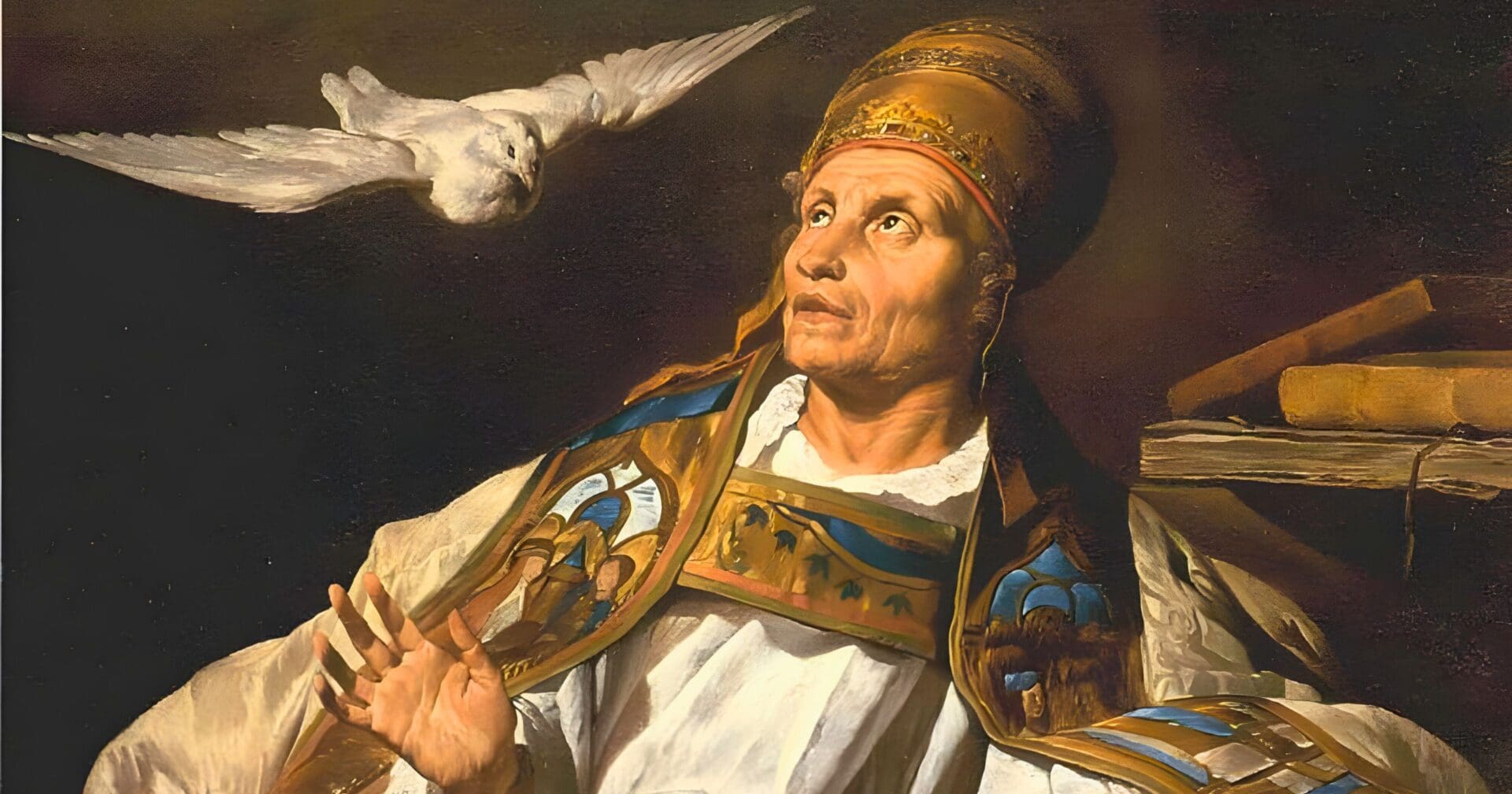
St. Gregory III was a notable figure in the history of the Catholic Church, recognized for his contributions to Christian mythology and his efforts in the early medieval period. He served as Pope from 731 to 741, a time marked by significant political and religious changes in Europe. His papacy was characterized by a strong commitment to the defense of the faith, as well as a focus on the relationship between the church and the emerging kingdoms of the time. His actions and decisions would leave a lasting impact on the Christian community and the development of Christian mythology.
The Life of St. Gregory III
St. Gregory III was born in Syria, and he is believed to have come from a noble family. His early life remains somewhat of a mystery, but it is clear that he was well-educated and had a deep understanding of Christian doctrine. His journey to becoming Pope was not straightforward. He was elected to the papacy during a tumultuous period, where the church was facing external pressures from various invading forces and internal divisions among Christian communities. His election as Pope came at a time when the church needed strong leadership to navigate these challenges.
 St. Gregory Ii
As Pope, Gregory III was known for his piety and dedication to the Christian faith. He worked tirelessly to promote the teachings of Christ and defend the church against heretical movements. His commitment to the faith was evident in his efforts to strengthen the church’s authority and influence across Europe. He was particularly concerned with the spread of Islam and the impact it was having on Christian territories. This concern would shape many of his decisions during his papacy.
Contributions to Christian Mythology
One of the most significant contributions of St. Gregory III to Christian mythology was his emphasis on the veneration of saints. He believed that honoring the saints was an essential part of Christian life, as they served as examples of holiness and virtue. Gregory III encouraged the faithful to seek the intercession of saints in their prayers, which helped to solidify the role of saints in Christian practice. This emphasis on saints contributed to the rich tapestry of Christian mythology, providing believers with relatable figures who exemplified the Christian virtues.
St. Gregory III is also credited with promoting the use of religious images, or icons, in worship. He believed that these images could help convey spiritual truths and inspire the faithful. This practice was part of a broader movement within the church to use visual aids to enhance religious experiences. The use of icons would later become a significant aspect of Eastern Orthodox Christianity, but Gregory’s influence helped pave the way for their acceptance in the Western church as well.
 St. Gregory I
Key Aspects of St. Gregory III’s Teachings
- Veneration of Saints: St. Gregory III taught that saints were intercessors who could help believers in their spiritual journeys.
- Use of Icons: He promoted the use of religious images as a means to enhance worship and understanding of spiritual truths.
- Defense of the Faith: Gregory III was a staunch defender of Christian doctrine against heresies and external threats.
- Strengthening Church Authority: His leadership aimed to solidify the church’s influence in a rapidly changing political landscape.
Political Context During St. Gregory III’s Papacy
The political landscape during the papacy of St. Gregory III was fraught with challenges. The rise of Islam in the 7th century posed a significant threat to Christian territories. As Islamic forces expanded into Europe, the church found itself needing to defend not only its spiritual authority but also its physical domains. Gregory III recognized this threat and sought to unify Christian leaders in defense of the faith. He believed that a united front was essential to resist the encroachment of Islamic forces and to protect Christian lands.
In addition to the Islamic threat, the church faced internal divisions, particularly between the Eastern and Western branches of Christianity. The split between the Roman Catholic Church and the Eastern Orthodox Church was beginning to take shape, and Gregory III had to navigate these waters carefully. He sought to maintain unity within the church while also addressing the concerns of various factions. His diplomatic efforts aimed to foster dialogue and understanding among different Christian communities, highlighting the need for a cohesive response to external threats.
 St. Govan
St. Gregory III and the Iconoclast Controversy
One of the most significant issues during the papacy of St. Gregory III was the Iconoclast Controversy. This was a theological dispute regarding the use of religious images in worship, which had profound implications for the church. Some factions within the church believed that the veneration of icons was idolatrous and should be abolished. However, Gregory III strongly opposed this view, advocating for the use of icons as a means of expressing faith and devotion.
St. Gregory III’s defense of icons was not merely about aesthetics; it was deeply rooted in his understanding of the Incarnation of Christ. He argued that if God could take on human form, then it was permissible to represent Him in images. This theological stance helped to solidify the role of icons in Christian worship and countered the iconoclasts’ arguments. His efforts contributed to a broader acceptance of religious imagery in the church, which would continue to evolve in the centuries that followed.
Impact of the Iconoclast Controversy
- Theological Developments: The controversy prompted deeper theological reflections on the nature of God and representation in worship.
- Church Unity: The dispute highlighted divisions within the church, affecting relationships between Eastern and Western Christians.
- Art and Culture: The acceptance of icons influenced the development of Christian art and culture, leading to a rich tradition of religious imagery.
- Legacy: St. Gregory III’s stance on icons helped shape the future of Christian worship and the use of religious images.
St. Gregory III’s Legacy
The legacy of St. Gregory III extends far beyond his time as Pope. His contributions to Christian mythology, particularly in the areas of saint veneration and the use of icons, have had a lasting impact on the church. The practices he promoted became integral parts of Christian worship and culture, influencing generations of believers. His commitment to defending the faith against external threats also set a precedent for future church leaders, emphasizing the importance of unity and strength in the face of adversity.
In addition to his theological contributions, St. Gregory III’s political acumen was crucial during a time of upheaval. His ability to navigate the complex political landscape of his time allowed him to strengthen the church’s position in Europe. His efforts to promote dialogue and understanding among Christian factions helped lay the groundwork for future cooperation in the face of common challenges. This emphasis on unity remains a vital aspect of Christian teachings today.
Conclusion of St. Gregory III’s Impact
St. Gregory III remains a significant figure in Christian history, not only for his role as Pope but also for his enduring influence on Christian practices and beliefs. His teachings on the veneration of saints and the use of icons continue to resonate within the church, shaping the spiritual lives of countless believers. Furthermore, his efforts to address the challenges of his time provide valuable lessons on the importance of leadership, unity, and faith in the face of adversity. As we reflect on the life and legacy of St. Gregory III, we can appreciate the profound impact he had on the development of Christian mythology and the church as a whole.