
St. Chad, a significant figure in Christian mythology, is known for his remarkable contributions to the early Christian church in England. He was born in the 7th century, around 634 AD, in Northumbria, a region that played a crucial role in the spread of Christianity in Britain. St. Chad was one of the key figures in the conversion of the Anglo-Saxons to Christianity. His life is filled with inspiring tales of faith, dedication, and miraculous events that have made him a beloved saint among many.
Early Life and Education
St. Chad was born into a noble family, which provided him with the opportunity to receive a good education. He was one of the younger brothers of St. Cedd, another important figure in the Christian church. Both brothers were educated at the famous monastery of Lindisfarne, founded by St. Aidan. This place was a significant center for learning and spirituality. Education during this time was deeply intertwined with the church, and many young men were trained to become leaders in the Christian faith.
 St. Ceolfrid
Chad’s education at Lindisfarne not only prepared him for a life of service but also instilled in him a deep love for God and the teachings of Christ. He was known for his piety and devotion to prayer. As he grew older, Chad felt a strong calling to dedicate his life to the church. His time at Lindisfarne was marked by a commitment to learning and understanding the scriptures, which would later influence his ministry.
Becoming a Bishop
After completing his education, St. Chad was ordained as a priest. His reputation for holiness and wisdom quickly spread, leading to his appointment as the Bishop of Mercia. This was a significant position, as Mercia was one of the most powerful kingdoms in England at the time. Chad’s leadership was marked by a focus on spiritual growth and the establishment of a strong Christian community. He emphasized the importance of education and encouraged the formation of schools to teach the faith to the younger generation.
Chad’s work as a bishop was not without challenges. The kingdom of Mercia was still heavily influenced by pagan beliefs, and many of its inhabitants were resistant to the teachings of Christianity. However, Chad’s gentle approach and deep faith helped him to win over many hearts. He traveled extensively throughout his diocese, preaching and teaching, and he was known for his humility and kindness. His ability to connect with people from all walks of life made him a beloved figure in the region.
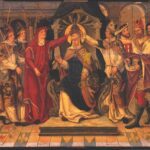 St. Celestine V
Miracles and Legends
Throughout his life, St. Chad was associated with numerous miracles that showcased his deep faith and connection to God. One of the most famous legends involves a miraculous healing. It is said that a blind man approached Chad, seeking help. With a simple prayer, Chad restored the man’s sight. This event drew many to the faith, as they witnessed the power of God working through Chad. Such miracles contributed to the growing reputation of St. Chad as a holy man and a powerful intercessor.
Another well-known story involves Chad’s ability to calm a storm. During one of his travels, he found himself on a boat caught in a fierce storm. The sailors were terrified, fearing for their lives. St. Chad, however, remained calm and prayed to God for deliverance. Miraculously, the storm ceased, and the waters became calm. This event further solidified his status as a man of God and encouraged many to trust in the power of prayer.
Legacy and Influence
St. Chad’s influence extended beyond his lifetime. After his death, he was revered as a saint, and many churches were dedicated to him. His feast day is celebrated on March 2nd, and he is recognized as the patron saint of the Midlands. The legacy of St. Chad is evident in the many communities that continue to honor him and his contributions to Christianity in England.
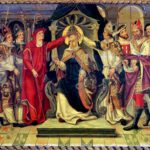 St. Celestine I
In addition to his local impact, St. Chad played a role in the broader context of Christian history. His work in Mercia was part of a larger movement to spread Christianity throughout England. The church that he helped establish laid the foundation for future generations of Christians. His emphasis on education and spiritual growth inspired many, and his approach to leadership served as a model for future bishops and clergy.
St. Chad in Art and Culture
The life of St. Chad has been depicted in various forms of art and culture over the centuries. Many medieval manuscripts illustrate his miracles and teachings, capturing the essence of his character and the impact he had on those around him. Churches dedicated to St. Chad often feature beautiful stained glass windows that tell the stories of his life, allowing future generations to learn about his faith and dedication.
In modern times, St. Chad continues to inspire artists, writers, and musicians. His life story is celebrated in literature, and many songs have been composed in his honor. The themes of faith, perseverance, and compassion resonate with people today, making his story relevant across the ages. The cultural impact of St. Chad serves as a reminder of the enduring power of faith and the importance of community in the Christian tradition.
St. Chad’s Influence on Education
One of the lasting impacts of St. Chad’s ministry was his emphasis on education. He believed that knowledge was essential for spiritual growth and the development of a strong Christian community. St. Chad established schools and encouraged the education of young people in the faith. His commitment to teaching laid the groundwork for the development of educational institutions throughout England.
St. Chad’s approach to education was holistic. He understood that learning was not just about acquiring knowledge but also about developing character and virtue. He emphasized the importance of moral education and the cultivation of a strong sense of ethics. This focus on character development is still relevant in today’s educational philosophy, where there is a growing recognition of the need for values-based education.
The Role of St. Chad in the Ecumenical Movement
St. Chad’s legacy also extends to the modern ecumenical movement, which seeks to promote unity among different Christian denominations. His life exemplifies the importance of dialogue and cooperation among various branches of Christianity. St. Chad’s efforts to spread the Gospel in a diverse cultural landscape highlight the need for understanding and respect among different faith traditions.
In contemporary discussions about ecumenism, St. Chad serves as a model for fostering relationships among Christians of different backgrounds. His commitment to the teachings of Christ and his ability to connect with people from various cultures remind us of the universal nature of the Christian message. This aspect of his legacy encourages current and future generations to work toward greater unity and understanding within the Christian community.
St. Chad’s Symbolism and Iconography
In Christian iconography, St. Chad is often depicted with specific symbols that represent his life and contributions to the faith. One of the most common symbols associated with him is the crosier, a staff carried by bishops, symbolizing their pastoral authority and role as shepherds of their flock. This represents Chad’s role as a bishop and his dedication to guiding his community in the teachings of Christ.
Another common representation of St. Chad is the image of him performing miracles, such as healing the sick or calming storms. These depictions serve to remind the faithful of his deep connection to God and the power of prayer. Artists often portray him with a serene expression, reflecting his inner peace and unwavering faith. Such iconography not only honors St. Chad but also serves as a source of inspiration for believers.
St. Chad’s Influence on Modern Christianity
St. Chad’s teachings and example continue to influence modern Christianity in various ways. His emphasis on education, community service, and compassion resonates with contemporary Christian values. Many churches today strive to embody the principles that St. Chad championed, focusing on outreach and service to those in need. His life serves as a reminder of the importance of living out one’s faith in practical ways.
Additionally, St. Chad’s commitment to ecumenism is increasingly relevant in today’s world. As global societies become more interconnected, the call for unity among Christians is more important than ever. St. Chad’s example encourages dialogue and cooperation among different denominations, promoting a spirit of understanding and collaboration in the pursuit of shared goals.
St. Chad’s life and legacy offer a rich tapestry of faith, education, and community service. His contributions to the early Christian church in England have left an indelible mark on the history of Christianity. Through his miracles, teachings, and commitment to the faith, St. Chad continues to inspire and guide believers today. His story is a testament to the enduring power of faith and the importance of living a life dedicated to God and service to others.