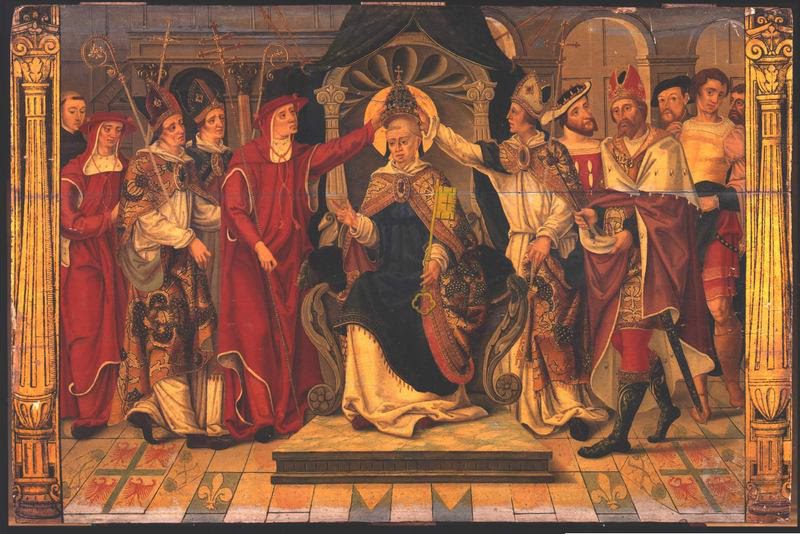
St. Celestine V, also known as Pope Celestine V, is a significant figure in Christian mythology and history. He is best remembered for his brief papacy and his unique decision to resign from the papacy. Born in 1215 in the Kingdom of Naples, his life and actions have sparked considerable interest and debate among historians and theologians. His story is one of profound faith, asceticism, and the struggle between personal conviction and the responsibilities of leadership. Celestine V’s decision to step down from the papacy remains one of the few instances in history where a pope voluntarily resigned, making him a fascinating character in the annals of the Catholic Church.
Early Life and Asceticism
Celestine V was born Pietro Angelerio into a humble family. From a young age, he showed a deep commitment to his faith, often engaging in prayer and meditation. His early life was marked by a desire for spiritual purity and a profound connection with God. At the age of 18, he became a hermit, retreating into the mountains of Abruzzo. There, he lived a life of strict asceticism, dedicating himself to prayer and solitude. His choice to live as a hermit was not merely a personal preference; it reflected a broader movement within the Church during the medieval period, where many sought to return to the roots of Christian simplicity and devotion.
 St. Celestine I
During his years as a hermit, Celestine V attracted a following. His reputation for holiness and wisdom spread, and many came to seek his guidance. This led to the formation of a small community of followers who shared his ideals of simplicity and dedication to God. Celestine’s lifestyle exemplified the virtues of poverty, chastity, and obedience, which became foundational principles for many religious orders that emerged during this time. His community eventually evolved into the Order of Celestines, a monastic order dedicated to the same principles that guided his life.
The Papacy
In 1294, after a long period of conflict and division within the Church, Celestine V was elected pope. His election came as a surprise to many, as he was seen as a humble and unassuming figure, far removed from the political machinations that often characterized the papacy. The decision to elect him was influenced by the desire for a peaceful and spiritual leader who could heal the divisions within the Church. However, Celestine V’s papacy was marked by his struggles with the expectations of leadership. He found himself overwhelmed by the complexities of Church politics and the demands of his role.
During his short papacy, which lasted only a few months, Celestine V made several important decisions. He issued a number of decrees aimed at reforming the Church and promoting spiritual renewal among the clergy. His focus was primarily on the spiritual well-being of the Church, rather than its political power. This approach, however, was met with resistance from various factions within the Church who were more concerned with maintaining their influence and authority. Celestine V’s lack of experience in political matters made it difficult for him to navigate these challenges effectively.
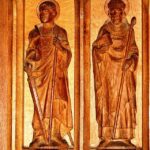 St. Cedd
Resignation from the Papacy
Perhaps the most remarkable aspect of Celestine V’s papacy was his decision to resign. In December 1294, just a few months after his election, he announced his intention to step down. This decision shocked the Church and the wider Christian community. Celestine V believed that he was unfit for the role of pope and that he could not fulfill the responsibilities that came with it. His resignation is often viewed as a profound act of humility and self-awareness, reflecting his deep commitment to his spiritual ideals over the trappings of power.
His resignation was unprecedented and raised numerous questions about the nature of papal authority and the expectations placed on church leaders. Following his resignation, Celestine V retreated to a life of solitude once again. He sought to live out his remaining days in peace and prayer, far from the political intrigues of the Vatican. However, his decision to resign was not without consequences, as it set a precedent that would affect the Church for centuries to come. The idea that a pope could step down introduced a new dynamic in the understanding of papal authority.
 St. Cecilia
Legacy and Canonization
St. Celestine V’s legacy is multifaceted. On one hand, he is remembered as a holy man who sought to live a life of simplicity and devotion. On the other hand, his resignation has sparked debates about leadership and humility within the Church. His life and actions serve as a reminder of the tension between spiritual ideals and the demands of leadership. In 1313, less than twenty years after his death, he was canonized by Pope Clement V, recognizing his contributions to the Church and his exemplary life of faith.
His canonization further solidified his status as a saint and a model for those seeking a deeper spiritual life. The Order of Celestines, which he founded, continues to exist today, preserving his teachings and ideals. His life is often cited in discussions about the nature of holiness, the role of the Church, and the importance of personal conviction in the face of institutional demands. Many believers look to St. Celestine V as an example of how one can remain true to their spiritual calling, even when faced with immense pressure and responsibility.
Influence on the Church and Beyond
St. Celestine V’s influence extends beyond his immediate context. His decision to resign has been referenced in various discussions about leadership in both religious and secular spheres. The idea that leaders can recognize their limitations and step aside for the greater good is a powerful message that resonates with many. In modern times, discussions about leadership often highlight the importance of humility and the willingness to prioritize the needs of the community over personal ambition.
Moreover, Celestine V’s commitment to a simple and devout life continues to inspire individuals seeking a deeper connection with their faith. His example encourages believers to pursue a life of prayer, reflection, and service. The spiritual practices he espoused, such as meditation and solitude, remain relevant for those seeking to deepen their spiritual journey in today’s fast-paced world. His life serves as a reminder that true leadership often involves selflessness and a dedication to serving others.
Cultural Representations and Interpretations
St. Celestine V has also been represented in various forms of art and literature, reflecting his enduring impact on culture and society. His story has been told in plays, books, and films, often focusing on the themes of humility, faith, and the challenges of leadership. These representations highlight the universal struggle between personal convictions and societal expectations, making his story relevant to audiences across different cultures and eras.
One of the most notable artistic representations of St. Celestine V is Dante Alighieri’s mention of him in “The Divine Comedy.” Dante places Celestine V in the first circle of Hell, not for his actions, but for his resignation, which Dante viewed as a failure to uphold the responsibilities of leadership. This interpretation has sparked debates among scholars and theologians about the implications of Celestine’s decision and its moral significance. Such discussions continue to shape the understanding of his legacy within both religious and literary contexts.
Conclusion of His Story
St. Celestine V’s story is one of deep faith, personal conviction, and the complexities of leadership. His life and actions invite reflection on the nature of authority, humility, and the pursuit of spiritual ideals. As we consider his legacy, we are reminded of the importance of being true to oneself and to one’s convictions, even in the face of immense pressure. Celestine V’s journey from hermit to pope and back to solitude serves as a profound testament to the enduring power of faith and the human spirit.
His life encourages us to think critically about our own roles in our communities, whether religious or secular. It reminds us that leadership is not merely about power and authority, but about service, humility, and the willingness to listen to one’s inner voice. As we reflect on the life of St. Celestine V, we are invited to consider how we can embody these virtues in our own lives and communities, fostering a spirit of compassion, understanding, and devotion.