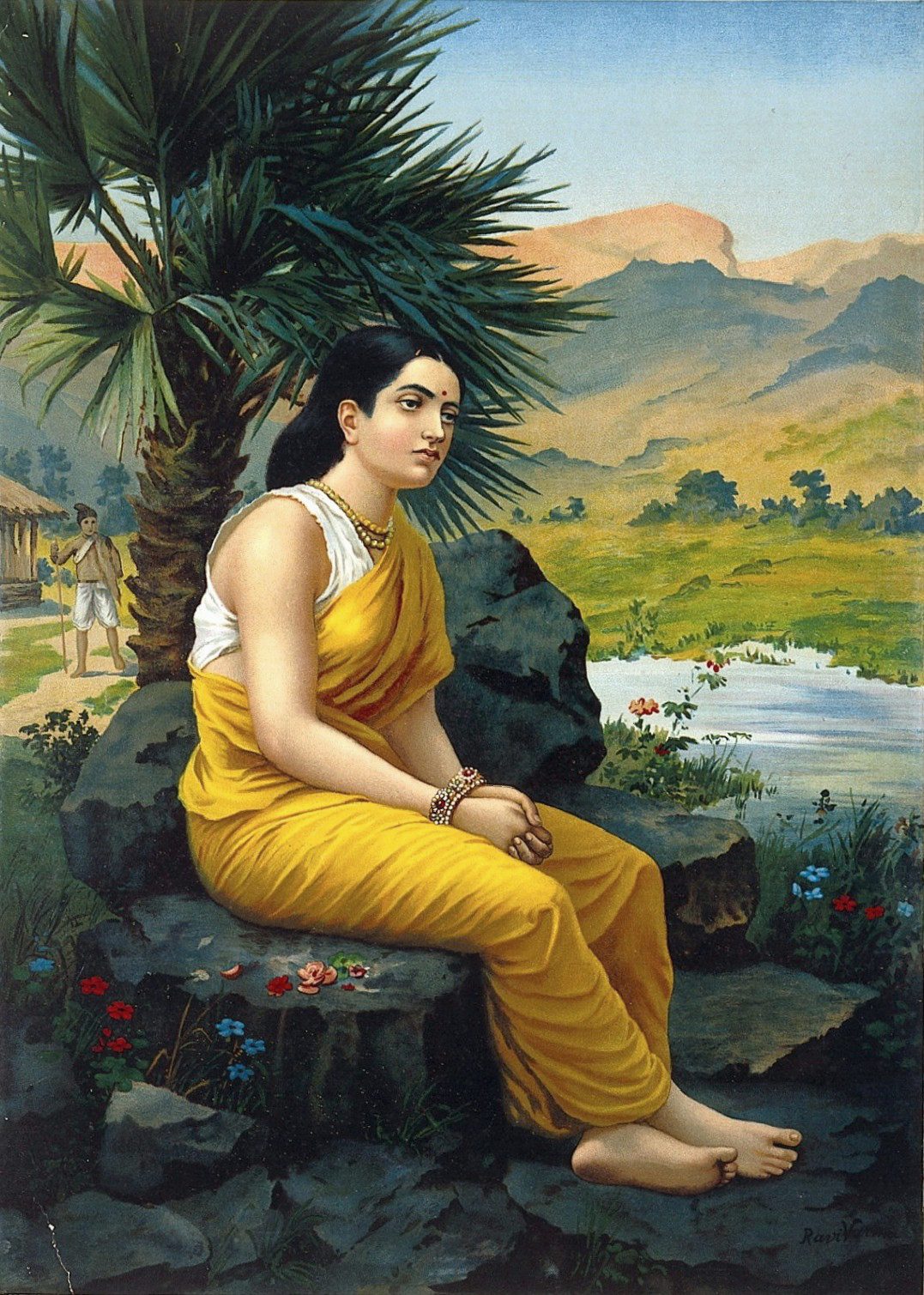
Sita is a prominent figure in Hindu mythology, known primarily as the wife of Lord Rama, the seventh incarnation of the god Vishnu. Her story is central to the epic poem, the Ramayana, which narrates the adventures and challenges faced by Rama, Sita, and their allies. Sita is revered not only for her beauty but also for her unwavering strength, devotion, and virtue. Her character embodies the ideals of womanhood and fidelity, making her a significant figure in the cultural and religious landscape of India. The tale of Sita has been told and retold through various adaptations and interpretations, illustrating her importance in both spiritual and moral teachings.
Early Life of Sita
Sita was born in the ancient kingdom of Mithila, in a city known as Janakpur. According to the Ramayana, she is the daughter of King Janaka and Queen Sunaina. Her birth is said to be miraculous, as she was found in a furrow while her father was plowing a field. This incident led to her being referred to as Janaki or the daughter of Janaka. Sita grew up in a royal environment, receiving an education that emphasized both knowledge and values. Her childhood was filled with teachings about righteousness and duty, which shaped her character as she grew older.
 Shiva
ShivaAs Sita matured, her beauty and grace became legendary. She was known for her gentle nature and strong moral principles. Despite being a princess, she displayed humility and kindness, traits that endeared her to the people of Mithila. Sita’s upbringing instilled in her a deep understanding of dharma, or duty, which would later play a crucial role in her life. Her character was molded by the teachings of her father, who emphasized the importance of virtue and honor, setting the stage for her future challenges.
The Marriage of Sita and Rama
The story of Sita takes a pivotal turn when she is introduced to Lord Rama. Rama, the prince of Ayodhya, was known for his valor and righteousness. The two first met during the Swayamvara, a royal event where Sita was to choose her husband. The challenge involved stringing a mighty bow, a feat that many suitors attempted but failed. Rama, with his divine strength, successfully strung the bow and won Sita’s hand in marriage. This event is celebrated as a significant moment in the Ramayana, symbolizing the union of two virtuous souls.
The marriage of Sita and Rama was not just a personal union but also a divine arrangement. Their love story is often seen as an ideal representation of marital harmony and mutual respect. Sita’s unwavering support for Rama and her commitment to him established her as a role model for women in Hindu culture. The couple’s relationship exemplified the principles of loyalty and devotion, which are highly valued in Hindu teachings. Their bond was celebrated through various rituals and festivities, marking the beginning of a journey filled with trials and tribulations.
 Shitala
The Exile of Sita
The tranquility of Sita’s life took a drastic turn when Rama was exiled to the forest for fourteen years due to a palace intrigue. In a show of love and loyalty, Sita chose to accompany Rama into exile, leaving behind her royal comforts. This decision highlighted her strength and commitment, as she willingly embraced a life of hardship for the sake of her husband. Sita’s choice is often viewed as a testament to her character, showcasing her determination to stand by Rama through thick and thin.
During their time in the forest, Sita and Rama encountered various challenges. They faced threats from demonic forces and had to navigate the difficulties of living in the wilderness. Despite these hardships, Sita remained a source of strength for Rama, providing him with unwavering support and encouragement. Their time in exile was marked by moments of deep connection and understanding, reinforcing the bonds of love and partnership between them. However, the tranquility of their life in the forest was soon disrupted by unforeseen events that would change their lives forever.
 Sisupala
The Abduction of Sita
The peace of Sita and Rama’s exile was shattered when Sita was abducted by Ravana, the demon king of Lanka. This event is one of the most critical turning points in the Ramayana. Ravana, captivated by Sita’s beauty, devised a cunning plan to separate her from Rama. He lured Rama away from their hermitage and, taking advantage of the moment, kidnapped Sita. This act of treachery not only marked a significant challenge for Rama but also tested Sita’s resilience and courage.
After Sita’s abduction, she found herself in the palace of Ravana, who attempted to win her over with riches and luxury. However, Sita remained steadfast in her loyalty to Rama. Despite the comforts surrounding her, she refused to succumb to Ravana’s advances, firmly asserting her identity as Rama’s wife. This period in captivity showcased Sita’s inner strength and unwavering devotion. She became a symbol of virtue, representing the idea that true strength lies in maintaining one’s principles, even in the face of adversity.
The Quest to Rescue Sita
Upon realizing that Sita was missing, Rama was devastated. He embarked on a quest to rescue her, seeking help from various allies, including the monkey god Hanuman and the vanara army. The search for Sita became a monumental journey, filled with battles against Ravana’s forces and the challenges of the wilderness. Rama’s determination to rescue Sita is a significant theme in the Ramayana, illustrating the lengths one will go to for love and duty.
Hanuman played a crucial role in locating Sita, flying to Lanka and delivering Rama’s message to her. Sita’s unwavering faith in Rama during her captivity served as a source of hope for both her and Rama. The bond between Sita and Rama became a driving force in the battle against Ravana, uniting their allies in the fight for righteousness. The quest to rescue Sita is often interpreted as a metaphor for the struggle between good and evil, highlighting the importance of perseverance and courage in the face of adversity.
The Battle Against Ravana
The climax of the story unfolds in the epic battle between Rama and Ravana. This battle is not merely a physical confrontation but a clash of ideologies, representing the triumph of good over evil. Sita’s presence and faith in Rama fueled his determination, reminding him of the purpose behind his quest. The battle was intense, with both sides displaying immense strength and valor. Rama, aided by his allies, fought valiantly to reclaim his wife and restore dharma.
Throughout the battle, Sita remained a symbol of hope and virtue. Her resilience inspired Rama and his allies to fight harder against Ravana’s forces. The narrative emphasizes the idea that true strength comes from unwavering faith and commitment. Ultimately, Rama’s victory over Ravana not only signified the rescue of Sita but also the restoration of righteousness in the world. This moment is celebrated in Hindu culture as a representation of the victory of good over evil, reinforcing the moral teachings embedded in the Ramayana.
The Agni Pariksha
After the battle, Sita faced a significant test known as the Agni Pariksha, or the trial by fire. Rama, despite having rescued her, questioned Sita’s purity due to her time spent in Ravana’s captivity. To prove her chastity and devotion, Sita willingly entered the fire, emerging unscathed. This event is often viewed as a poignant moment in the Ramayana, highlighting Sita’s strength and purity. The fire test symbolizes the idea that true virtue can withstand the most intense scrutiny.
The Agni Pariksha is a complex moment that has sparked various interpretations. While some view it as a demonstration of Sita’s unwavering fidelity, others critique the societal expectations placed upon women. This incident reflects the cultural values of the time and raises questions about gender roles and the trials women faced in society. Sita’s experience serves as a reminder of the challenges women endure in their pursuit of honor and virtue, making her story resonate across generations.
The Return to Ayodhya
After successfully passing the Agni Pariksha, Sita and Rama returned to Ayodhya, where they were welcomed with great celebration. Rama’s return was not only a personal victory but also a moment of triumph for the entire kingdom. The couple’s reunion symbolized the restoration of harmony and righteousness in the world. Sita’s resilience and strength throughout her trials earned her the admiration of the people, establishing her as a revered figure in Hindu mythology.
The return to Ayodhya marked the beginning of a new chapter in Sita’s life. As queen, she took on the responsibilities of governance alongside Rama. Their reign was characterized by prosperity and justice, embodying the ideals of a just ruler. Sita’s role as a queen went beyond mere ceremonial duties; she actively participated in the welfare of her people, advocating for justice and compassion. Her leadership style emphasized empathy, reflecting her character and the teachings of the Ramayana.
The Legacy of Sita
Sita’s story has left an indelible mark on Hindu culture and mythology. She is celebrated as a symbol of virtue, loyalty, and strength. Many festivals, such as Dussehra and Diwali, commemorate the events of the Ramayana, with Sita playing a central role in these celebrations. Her character serves as an inspiration for countless individuals, especially women, who look to her as a role model for resilience and moral integrity.
The legacy of Sita extends beyond the confines of mythology. She has become a subject of various artistic expressions, including literature, dance, and theater. Her story has been retold in numerous adaptations, each adding a unique perspective to her character. Sita’s influence is evident in contemporary discussions about gender roles and societal expectations, prompting reflections on the treatment of women in society. Her narrative continues to inspire movements advocating for women’s rights and empowerment.
Sita in Modern Interpretations
In recent years, Sita’s character has been reexamined through modern lenses. Many authors and artists have sought to reinterpret her story, emphasizing her agency and strength. These interpretations often challenge traditional narratives that portray her solely as a passive figure. Contemporary adaptations highlight her resilience in the face of adversity, showcasing her as a woman who navigates her circumstances with grace and strength.
Literature and cinema have explored Sita’s character in innovative ways, offering new insights into her life and struggles. Some adaptations focus on her perspective during the events of the Ramayana, allowing audiences to connect with her emotions and experiences on a deeper level. These modern retellings often seek to empower women by drawing parallels between Sita’s challenges and contemporary issues, resonating with audiences across generations.
Sita’s journey through the Ramayana is a powerful narrative that encapsulates themes of love, loyalty, and resilience. Her character serves as a beacon of hope and virtue, inspiring countless individuals throughout history. The lessons learned from her story continue to resonate in modern society, prompting discussions about gender roles, societal expectations, and the strength of women. Sita’s legacy as a symbol of righteousness and strength endures, making her an eternal figure in the rich tapestry of Hindu mythology.