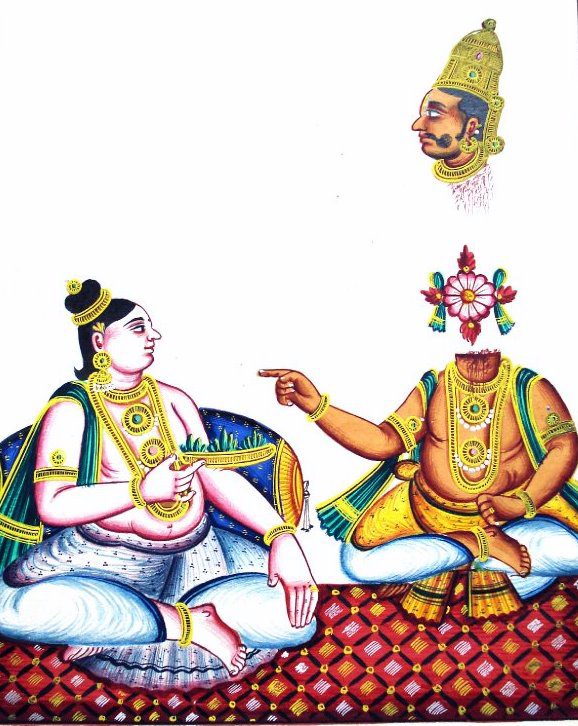
Sisupala is a significant figure in Hindu mythology, particularly known for his role in the epic, the Mahabharata. He is often depicted as a powerful king with a complex personality, characterized by his fierce rivalry with Lord Krishna. The story of Sisupala is rich in themes of jealousy, pride, and destiny. Understanding Sisupala’s character offers insights into the moral and ethical dilemmas faced by individuals in the epic. His life and actions serve as a reflection of the broader themes of good versus evil, making him a fascinating character within the vast tapestry of Hindu lore.
The Birth and Early Life of Sisupala
According to Hindu texts, Sisupala was born to King Damaghosha of the Chedi Kingdom and Queen Srutashrava. His birth was marked by a prophecy that foretold his demise at the hands of Lord Krishna. This prophecy played a crucial role in shaping his destiny. As a child, Sisupala was known for his immense strength and bravery, which made him a formidable warrior. However, his character was also marked by a significant flaw: his intense jealousy and hatred towards Krishna, who was regarded as a divine figure. The dichotomy between his strengths and weaknesses creates a complex character that adds depth to the narrative.
 Shatrughna
As Sisupala grew up, he became increasingly aware of the prophecy surrounding him. His parents, particularly his mother, tried to reassure him that he would be safe as long as he did not provoke Krishna. However, Sisupala’s arrogance and pride often led him to challenge Krishna openly. This dynamic between Sisupala and Krishna is pivotal, as it sets the stage for the conflict that will ultimately define Sisupala’s fate. The early life of Sisupala not only illustrates his strengths but also highlights the internal and external conflicts that would follow him throughout his life.
Character Traits of Sisupala
One of the most striking aspects of Sisupala’s character is his pride. Despite his many strengths, his arrogance often clouds his judgment. He believed himself to be superior to others, which led him to underestimate the power of Krishna. This hubris is a common theme in many mythological tales, serving as a warning against the dangers of excessive pride. Sisupala’s pride was not just personal; it extended to his kingdom and his allies, influencing their actions and decisions as well.
Another important trait of Sisupala is his jealousy. He was deeply envious of Krishna’s status and the love that others had for him. This jealousy drove Sisupala to commit various acts of defiance against Krishna, leading to a series of confrontations that escalated over time. His inability to control his emotions ultimately led to his downfall. The jealousy that Sisupala harbored serves as a cautionary tale about the destructive nature of envy and how it can cloud one’s judgment and lead to dire consequences.
 Shashthi
The Conflict with Krishna
The conflict between Sisupala and Krishna is one of the central narratives in the Mahabharata. It began during the Rajasuya Yagna, a grand sacrifice performed by the Pandavas. During this event, Krishna was invited as an honored guest. Sisupala, feeling slighted by Krishna’s presence, publicly insulted him. This act of disrespect ignited a fierce rivalry between the two. Krishna, who is often depicted as a compassionate and forgiving figure, initially tried to reason with Sisupala. However, Sisupala’s pride and anger only intensified the conflict.
As the events unfolded, Sisupala’s insults became increasingly personal and provocative. He challenged Krishna’s authority and questioned his divine status. This behavior not only alienated him from Krishna but also from other allies and warriors present at the Yagna. The conflict reached its peak when Krishna, tired of Sisupala’s incessant provocations, decided to confront him directly. This confrontation was not just a physical battle but also a clash of ideologies, with Krishna representing righteousness and Sisupala embodying chaos and pride.
Key Events in the Conflict
- Public Insults: Sisupala openly insulted Krishna during the Rajasuya Yagna, leading to escalating tensions.
- Challenge to Authority: Sisupala questioned Krishna’s divine status and authority, provoking a direct confrontation.
- The Final Battle: The conflict culminated in a fierce battle where Krishna ultimately defeated Sisupala.
The climax of the conflict occurred during a dramatic showdown. Sisupala, in a final act of desperation, unleashed all his fury against Krishna. However, Krishna, embodying divine strength and wisdom, was able to defeat Sisupala with a single blow. This moment is significant not only for its dramatic intensity but also for its moral implications. It serves as a reminder that pride and jealousy can lead to one’s downfall, while humility and righteousness ultimately prevail.
 Sâvitrî
The Role of Fate and Destiny
Fate and destiny play crucial roles in the story of Sisupala. The prophecy surrounding his birth foretold that he would be killed by Krishna, setting a predetermined path for his life. Despite his efforts to challenge this fate, Sisupala found himself trapped in a cycle of pride and jealousy that led him directly to his demise. This aspect of the narrative raises important questions about the nature of free will versus predestination. While Sisupala made choices that led to his downfall, the prophecy loomed over him, influencing his actions and decisions.
In many ways, Sisupala’s story illustrates the Hindu belief in karma and the consequences of one’s actions. His arrogance and jealousy resulted in negative outcomes, both for himself and those around him. The notion of karma suggests that every action has consequences, and Sisupala’s life serves as a cautionary tale about the importance of self-awareness and humility. Understanding the interplay between fate and personal choices adds depth to the character of Sisupala and highlights the complexities of human behavior in the face of destiny.
Symbolism in Sisupala’s Story
Sisupala’s character and story are rich in symbolism. He represents the darker aspects of human nature, such as pride, jealousy, and anger. His downfall serves as a warning against allowing these negative traits to dominate one’s life. In contrast, Krishna symbolizes righteousness, wisdom, and compassion. The clash between Sisupala and Krishna can be seen as a representation of the eternal struggle between good and evil, a common theme in many mythologies worldwide.
The act of Sisupala challenging Krishna can also be interpreted as a metaphor for the human condition. Just as Sisupala struggled against a destiny he could not escape, individuals often grapple with their own challenges and internal conflicts. The story encourages reflection on how personal choices shape one’s destiny, and how the qualities one nurtures can lead to different outcomes in life. The symbolism in Sisupala’s narrative invites readers to contemplate their own struggles and the importance of choosing virtues over vices.
Legacy of Sisupala in Hindu Culture
The legacy of Sisupala extends beyond the pages of the Mahabharata. He is often referenced in various forms of art, literature, and religious teachings. His story serves as a powerful lesson about the consequences of unchecked pride and jealousy. In many ways, Sisupala has become a symbol of the dangers of negative emotions, making his narrative relevant even in contemporary discussions about human behavior and ethics.
In addition to his cautionary tale, Sisupala’s character has inspired numerous artistic representations, including paintings, dance dramas, and theatrical performances. Artists often depict the dramatic moments of his confrontations with Krishna, emphasizing the emotional intensity of the narrative. This enduring interest in Sisupala’s story reflects the rich cultural heritage of Hindu mythology and its ability to convey profound moral lessons through compelling characters and stories.
Modern Interpretations
- Literature: Contemporary writers often explore Sisupala’s character in new narratives, examining themes of jealousy and rivalry.
- Art: Artists continue to create works inspired by Sisupala’s confrontations with Krishna, highlighting their emotional depth.
- Philosophy: Discussions on pride and humility in modern philosophy often reference Sisupala’s story as a moral lesson.
Through these various interpretations and representations, Sisupala’s story remains a vital part of Hindu culture. It encourages individuals to reflect on their own actions and the potential consequences of negative emotions. By examining Sisupala’s life and struggles, one can gain valuable insights into the human condition and the importance of striving for righteousness in a world filled with challenges.
Sisupala’s character in Hindu mythology serves as a powerful reminder of the complexities of human emotions and the consequences of pride and jealousy. His story, woven into the larger narrative of the Mahabharata, offers valuable lessons about the importance of humility and self-awareness. As we explore Sisupala’s life, we uncover a rich tapestry of themes that resonate with readers across cultures and generations. The legacy of Sisupala continues to inspire discussions on morality, ethics, and the eternal struggle between good and evil.