
The Jester God, known as Ek Chuah in the Maya mythology, is a fascinating figure that embodies various aspects of life, including trade, mischief, and the duality of existence. This deity is often depicted as a trickster, blending humor and wisdom in a way that resonates deeply with the Maya culture. The Jester God represents the complexity of human emotions and the importance of balance in life. His stories are rich in meaning and provide insights into the values and beliefs of the ancient Maya civilization.
Origins of the Jester God
The origins of the Jester God can be traced back to the ancient Maya civilization, which flourished in Mesoamerica. The Maya people had a rich pantheon of gods and goddesses, each representing different aspects of nature and human experience. The Jester God, or Ek Chuah, is often associated with merchants and trade, highlighting the importance of commerce in Maya society. His role as a deity of trade signifies the economic activities that were vital to the prosperity of Maya cities.
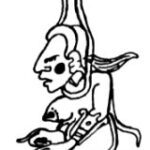 Ixtab
IxtabIn addition to his connection with trade, the Jester God is also linked to cacao, a valuable commodity in the ancient Maya world. Cacao was not only a source of nutrition but also a form of currency and a key ingredient in rituals. The Jester God is often depicted holding cacao pods, symbolizing his influence over this essential product. His association with cacao further emphasizes the importance of trade and the cultural significance of chocolate in Maya society.
Characteristics of the Jester God
The Jester God is often depicted with distinctive features that set him apart from other deities. He typically has a jester’s hat and a playful demeanor, embodying the spirit of a trickster. This playful nature allows him to navigate the complexities of life, reminding people to find joy and laughter even in challenging situations. The Jester God’s appearance often includes bright colors and elaborate decorations, reflecting the vibrancy of Maya culture.
 Xquic
XquicIn addition to his playful attributes, the Jester God is also seen as a wise figure. He possesses the ability to provide guidance and insight, helping individuals make decisions in their lives. This duality of being both a trickster and a sage highlights the complexity of human nature. The Jester God teaches that life is not always serious and that laughter can be a source of healing and understanding.
The Role of the Jester God in Maya Society
The Jester God played a significant role in the daily lives of the Maya people. As a deity associated with trade, he was honored by merchants and traders who sought his blessings for successful transactions. Rituals and offerings were made to Ek Chuah to ensure prosperity and protection in their business endeavors. This connection to commerce illustrates the importance of economic activities in Maya society and the reverence for deities who influenced these aspects of life.
Moreover, the Jester God was also a figure of entertainment and joy. Festivals and celebrations often included performances and rituals dedicated to him, where stories of his cleverness and humor were shared. These gatherings served not only as a form of entertainment but also as a way to strengthen community bonds. The Jester God’s influence on social gatherings reflects the Maya understanding of the importance of joy and laughter in maintaining harmony within society.
 Ixpiyacoc
Myths and Stories of the Jester God
The myths surrounding the Jester God are rich with symbolism and meaning. One popular story involves Ek Chuah outsmarting other deities in a game of wits. In this tale, the Jester God uses his cleverness to navigate a series of challenges, ultimately teaching a valuable lesson about the importance of intelligence and creativity in overcoming obstacles. This story highlights the value placed on wit and cleverness in Maya culture.
Another significant myth involves the Jester God and his relationship with cacao. In this story, Ek Chuah is said to have discovered cacao and shared it with humanity. This act not only symbolizes the gift of nourishment but also represents the connection between gods and humans. The Jester God’s role in the discovery of cacao emphasizes the significance of this product in Maya society and its ties to trade, economy, and culture.
Symbols Associated with the Jester God
The Jester God is associated with various symbols that carry deep meanings in Maya mythology. One of the most prominent symbols is the cacao pod, which represents trade and nourishment. Cacao was not only a vital food source but also a form of currency, making it a symbol of economic prosperity. The presence of cacao in depictions of the Jester God reinforces his connection to merchants and the importance of trade in Maya society.
Another symbol associated with the Jester God is the jester’s hat, which signifies his playful and mischievous nature. This hat serves as a reminder of the duality of life, where humor and seriousness coexist. The jester’s hat also symbolizes the role of the trickster in mythology, highlighting the importance of laughter and joy in navigating life’s challenges.
Modern Interpretations of the Jester God
In contemporary times, the Jester God continues to be a source of inspiration for artists, writers, and scholars interested in Maya mythology. His character embodies themes of playfulness, wisdom, and the importance of balance in life. Many modern interpretations of the Jester God focus on his role as a trickster, exploring how humor can be a powerful tool for understanding complex situations.
Additionally, the Jester God’s connection to cacao has gained renewed interest in the context of modern culinary arts and the growing appreciation for chocolate. As people explore the rich history of cacao and its cultural significance, the Jester God serves as a reminder of the deep roots that chocolate has in Maya civilization. This renewed interest reflects a broader trend of rediscovering and celebrating ancient cultures and their contributions to the world.
Rituals and Offerings to the Jester God
The rituals and offerings made to the Jester God were an essential part of Maya religious practices. Merchants and traders would often prepare special ceremonies to honor Ek Chuah, seeking his blessings for successful transactions. These rituals typically involved offerings of cacao, flowers, and other goods, symbolizing gratitude and respect for the deity’s influence on their lives. The act of giving was seen as a way to maintain a positive relationship with the gods and ensure their favor.
During festivals, the Jester God was celebrated with various forms of entertainment, including music, dance, and storytelling. These events not only served to honor Ek Chuah but also reinforced community ties. The shared experience of celebrating the Jester God allowed individuals to connect with each other and their cultural heritage. The importance of these rituals highlights the Maya understanding of the relationship between humans and the divine, emphasizing the need for reciprocity and respect.
Conclusion: The Legacy of the Jester God
The legacy of the Jester God, or Ek Chuah, continues to resonate in modern times, reminding us of the significance of trade, humor, and the complexities of human existence. His stories and attributes serve as a reflection of the values and beliefs held by the ancient Maya civilization. As we explore the rich mythology surrounding the Jester God, we gain insights into the cultural heritage of the Maya people and their understanding of the world around them.